3 Types of Synthetic Rattan Weaving Fibers Defining Luxury Outdoor Furniture Trends
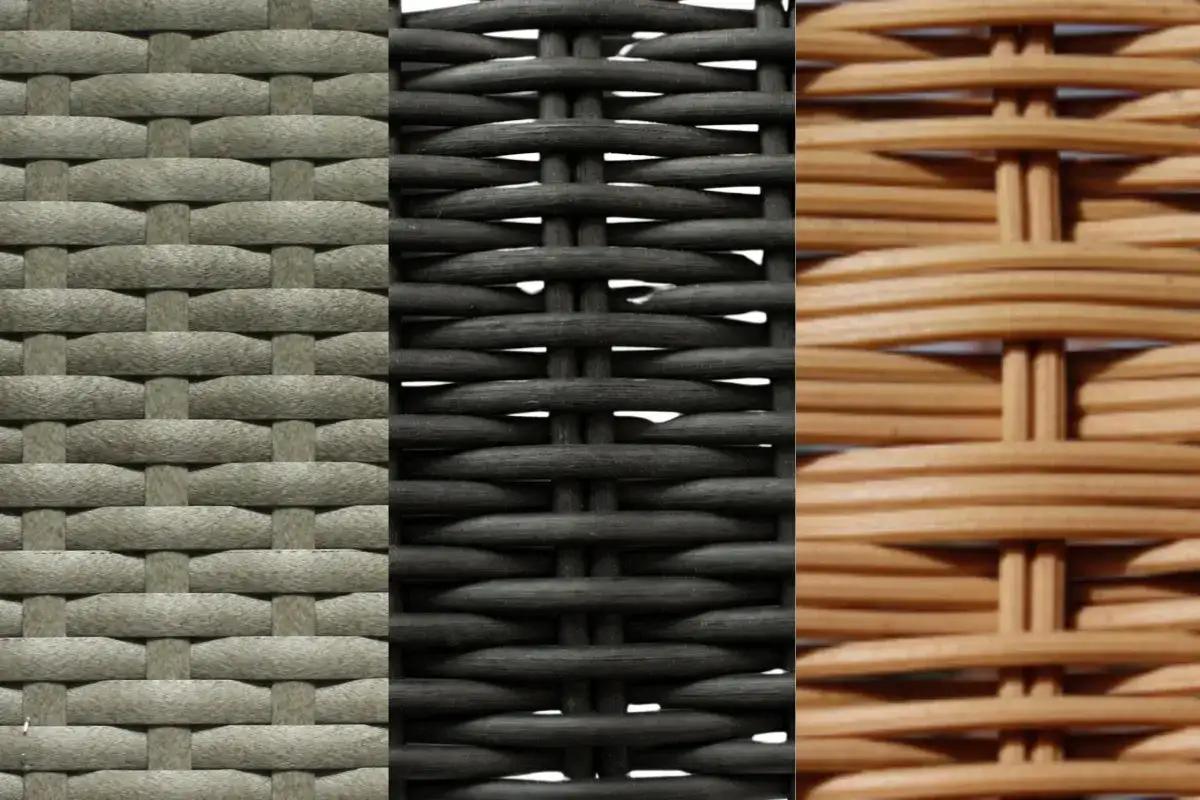
In the segment of villa landscape design and premium outdoor furniture, new-generation synthetic rattan is firmly establishing its leading position. No longer limited to traditional forms, synthetic rattan weaving fibers have opened a new chapter for contemporary handcrafted furniture. Thanks to the perfect combination of the rustic beauty of natural rattan and the physical durability to withstand outdoor weather, premium synthetic rattan sofa and furniture sets have become a leading styling standard for villas, penthouses, and luxury resorts around the world.
1. What Are Synthetic Rattan Weaving Fibers?
Synthetic rattan weaving fibers are man-made materials produced from virgin plastic such as HDPE or PE, designed to imitate the shape and color of natural rattan. This material was developed to overcome the limitations of traditional rattan and bamboo, such as rotting, mold, termites, and deterioration when frequently exposed to outdoor environments.
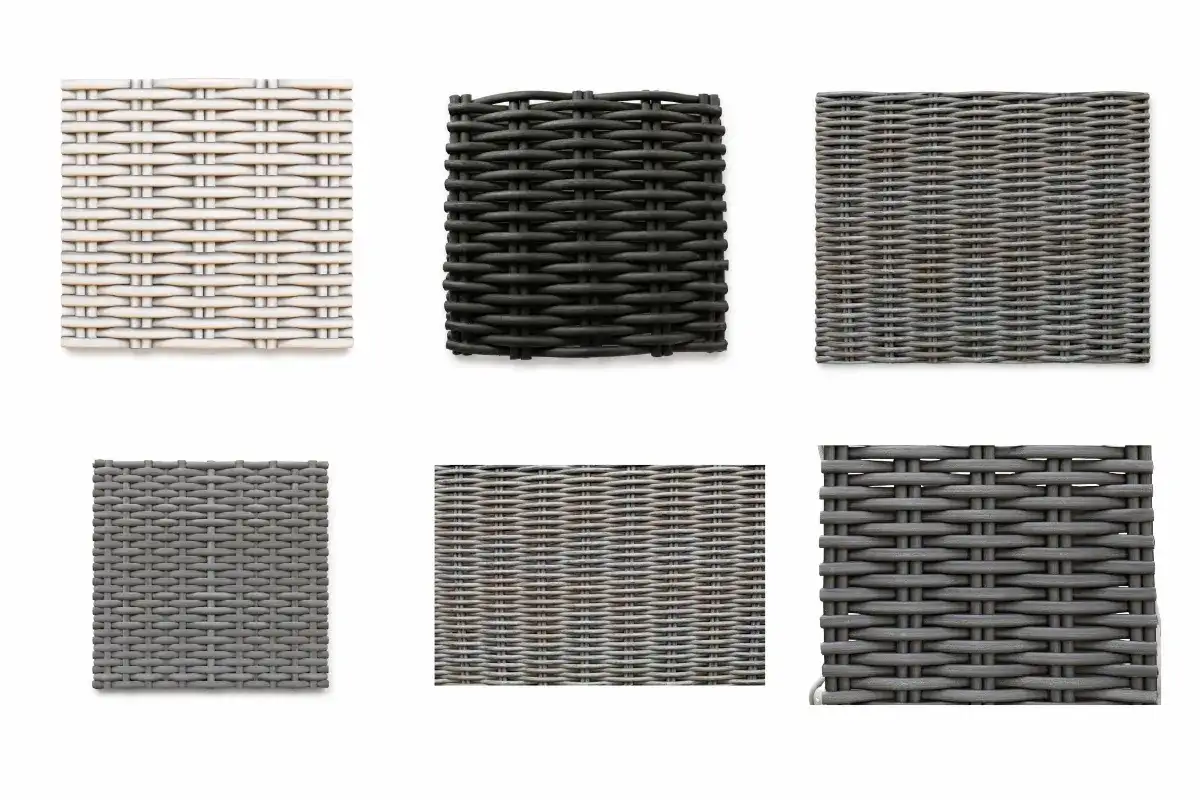
Synthetic rattan offers durable textures and colors for outdoor furniture weaving.
Thanks to their flexibility, water resistance, and strong UV resistance, synthetic rattan fibers are now widely used in the production of garden sofas, outdoor dining sets, café chairs, swing chairs, and many other premium outdoor furniture lines. This is also a popular material in villa, resort, and hotel projects because it can maintain durability and aesthetics for a long time.
2. The Nature of Premium Synthetic Rattan Fibers in Furniture Craftsmanship
Premium synthetic rattan weaving fibers are artificial materials made from high-quality virgin plastic granules, such as HDPE, PE, or high-grade PVC. Synthetic rattan fibers were created to fully overcome the original weaknesses of natural rattan and bamboo, including rotting, mold growth, termite damage, and brittleness under weather exposure. With excellent flexibility, elasticity, and an ideal stretching range, this material allows artisans to create complex anthropometric curves, bringing a graceful and contemporary appearance to upscale living spaces.
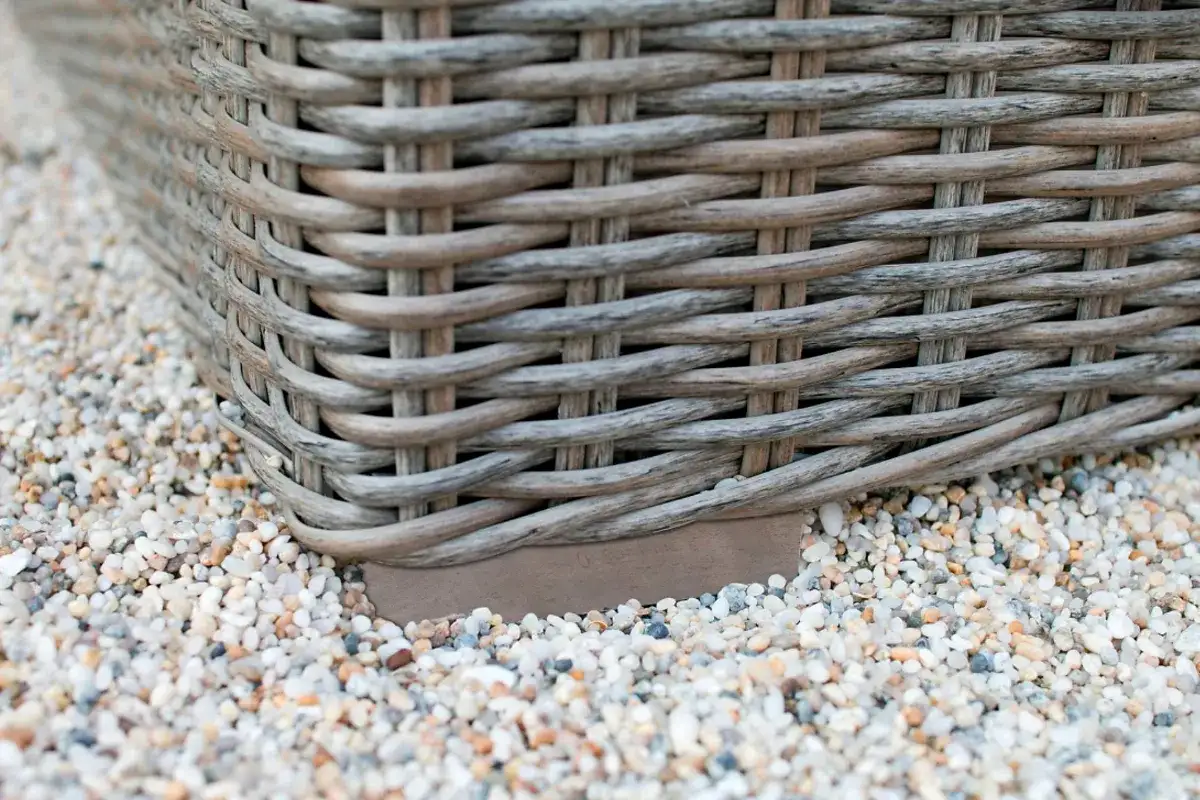
High-end synthetic rattan features durable weaving, flexible texture, and a refined outdoor look.
3. The 3 Most Popular Types of Synthetic Rattan Fibers on the Market
To meet diverse architectural concepts, manufacturers have developed three core synthetic rattan fiber structures, each offering specialized visual effects and functional performance.
Three common synthetic rattan types including flat, round, and half-round strands, each offering a different visual texture and weaving effect for outdoor furniture.
3.1. Flat Synthetic Rattan Fiber: Celebrating Classic and Elegant Beauty
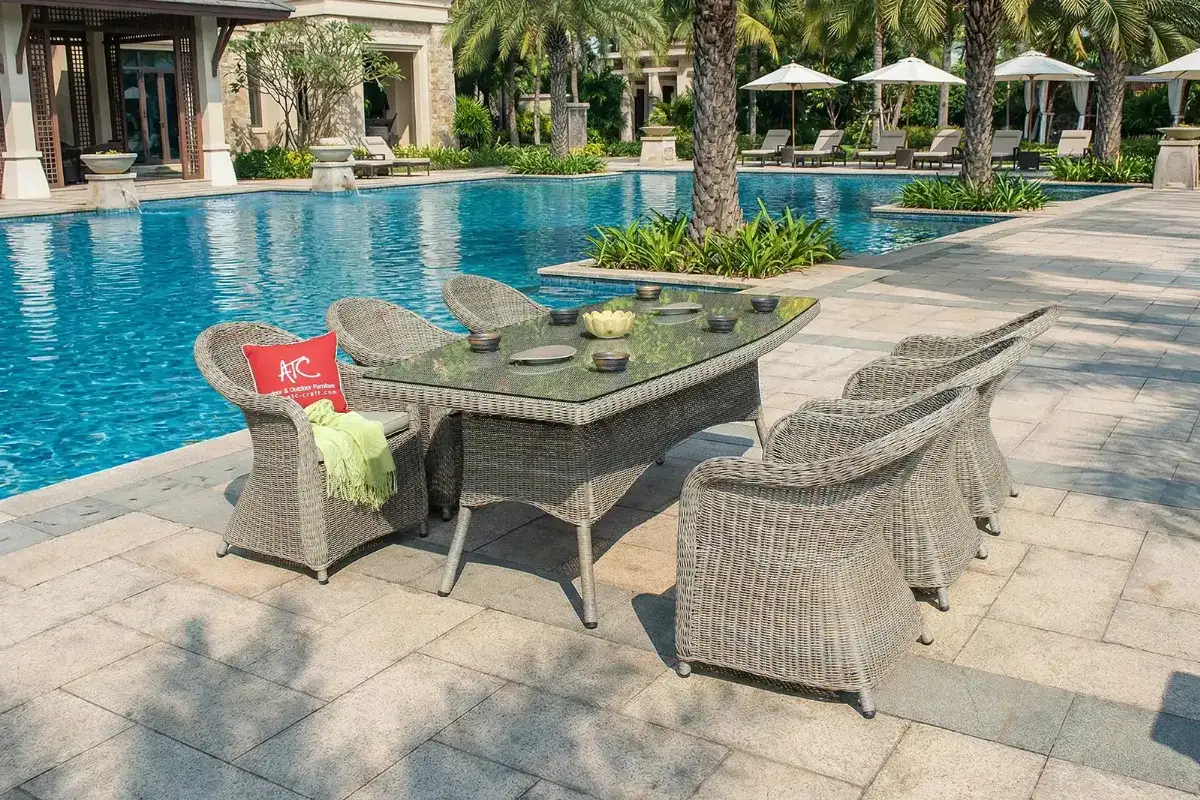
Flat synthetic rattan has a wide, flat shape with a slim thickness. This physical characteristic makes it highly suitable for traditional tight-weaving techniques. When the strands are pulled firmly and evenly, the product surface forms a smooth, consistent, and luxurious flat finish. This type of fiber is often used in outdoor dining sets or sofas with a neoclassical European design language, emphasizing balance, refinement, and elegance.
3.2. Round Synthetic Rattan Fiber: A Symbol of Youthful and Lasting Strength
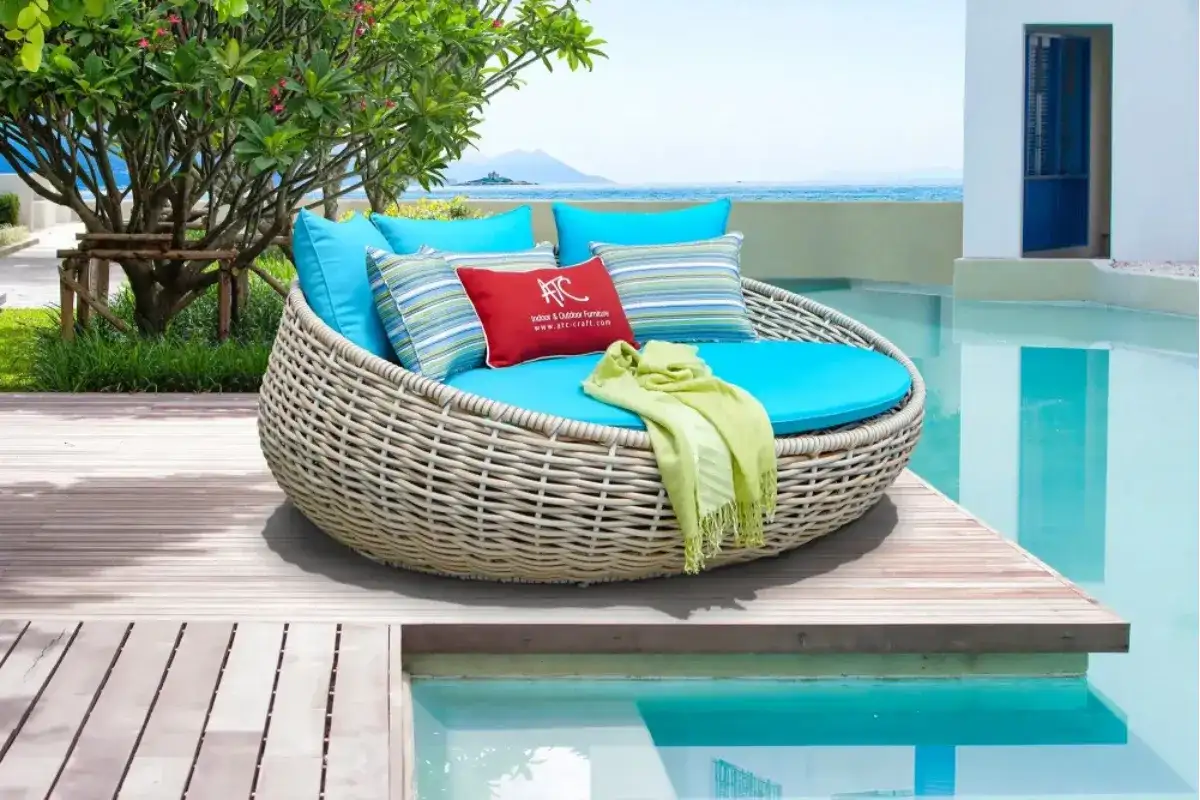
Round synthetic rattan features a solid cylindrical structure, a smooth surface, even edges, and strong mechanical thickness. Thanks to its excellent tensile strength, round synthetic rattan is often used for load-bearing frame weaving or open artistic weaving styles, such as honeycomb weaving or cord-style weaving. The full, rounded form of the fiber creates a strong, substantial, and open appearance that perfectly suits modern resort-inspired landscape designs.
3.3. Half-Round Synthetic Rattan Fiber: The Perfect Structural Balance
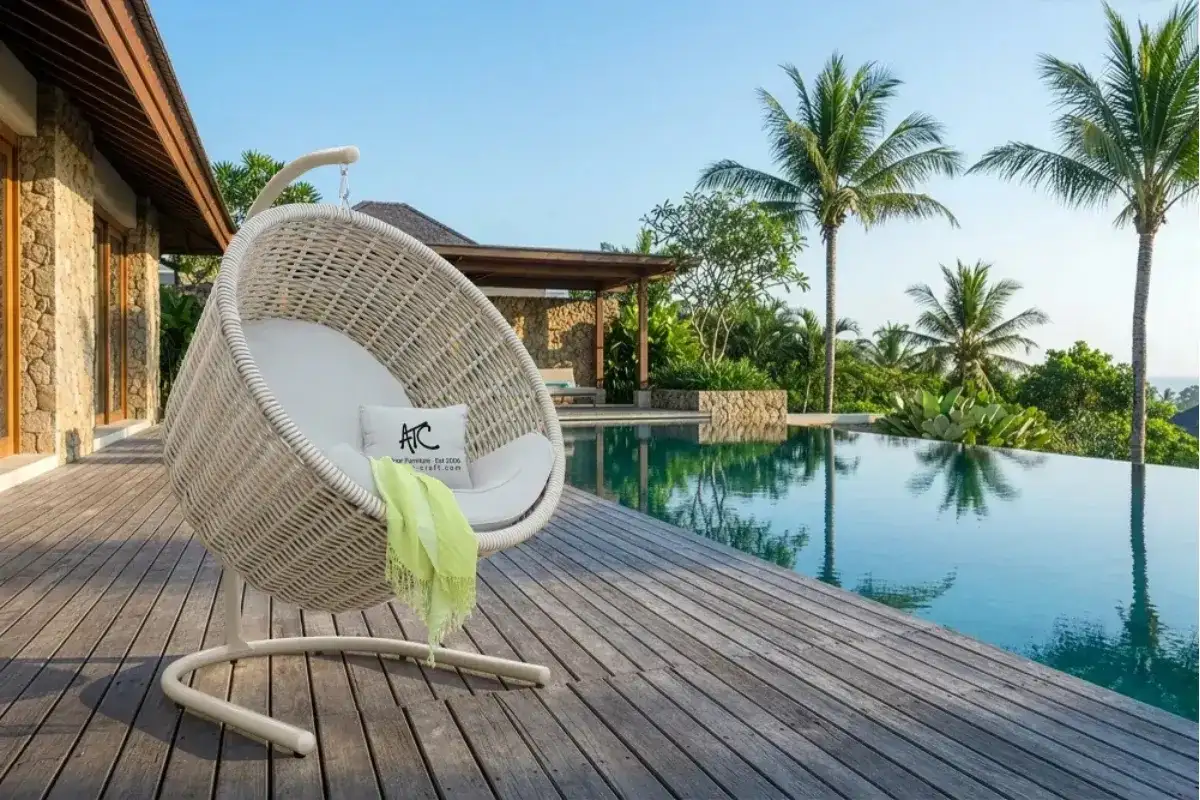
Often considered a hybrid that combines the advantages of the two fiber types above, half-round synthetic rattan has one flat side and one raised curved side. When applied to synthetic rattan swing chair baskets or villa sofas, this material creates subtle gaps and grooves, adding a unique three-dimensional depth to the product. Half-round weaving maintains the firm grip of flat fibers while expressing the raised, strong form of round fibers.
4. What Is the Difference Between HDPE and PVC Synthetic Rattan Fibers?
Although both are used to produce outdoor synthetic rattan furniture, HDPE and PVC differ significantly in durability and weather resistance.
| Criteria | HDPE | PVC |
|---|---|---|
| Outdoor durability | Very high | Medium |
| UV resistance | Good | Fair |
| Elasticity | High | Medium |
| Crack resistance | Good | Lower |
| Service life | 5 - 10 years or more | 2 - 5 years |
| Application | Villas, resorts, pool areas | Covered areas |
For products placed outdoors and frequently exposed to sunlight, rain, and high humidity, HDPE synthetic rattan is usually preferred because it can maintain color, durability, and structural stability for a long time.
5. Why Are Synthetic Rattan Fibers Popular in Outdoor Furniture?
Synthetic rattan fibers have become one of the most widely used materials in today’s outdoor furniture industry for good reasons. Compared with natural rattan or some traditional materials, synthetic rattan offers many advantages in durability, weather resistance, and design flexibility.
5.1. High Durability in Outdoor Conditions
High-quality synthetic rattan fibers can maintain stability for a long time when exposed to sunlight, rain, and humidity. This is an important factor that makes the material suitable for gardens, pool areas, balconies, and semi-outdoor spaces.
5.2. Easy Cleaning and Maintenance
The surface of synthetic rattan does not absorb water, making cleaning relatively simple. Users only need to wipe it periodically or rinse it with clean water to remove dust and dirt during use.
5.3. Diverse Shapes and Colors
Thanks to its flexibility and easy shaping ability, synthetic rattan can be produced in many forms and colors, suitable for a wide range of styles from modern and minimalist to classic or tropical.
6. Experience in Choosing the Right Synthetic Rattan Weaving Fiber
Choosing the right synthetic rattan fiber directly affects product lifespan and real usage performance.
6.1. Choose According to the Installation Area
For outdoor areas such as gardens, pools, or exposed balconies, HDPE synthetic rattan with good water resistance and UV resistance should be prioritized. Covered areas or indoor spaces can use other material options more flexibly depending on budget.
6.2. Choose According to Design Style
Flat fibers are often suitable for classic and elegant designs. Round fibers create a modern and strong feeling, while half-round fibers add depth and a higher aesthetic effect for premium product lines.
6.3. Choose According to Expected Lifespan
If the goal is long-term use from 5 to 10 years or more, products made with virgin HDPE synthetic rattan should be prioritized. This material is widely selected by many manufacturers for villa, resort, and hotel projects because of its high durability under harsh weather conditions.
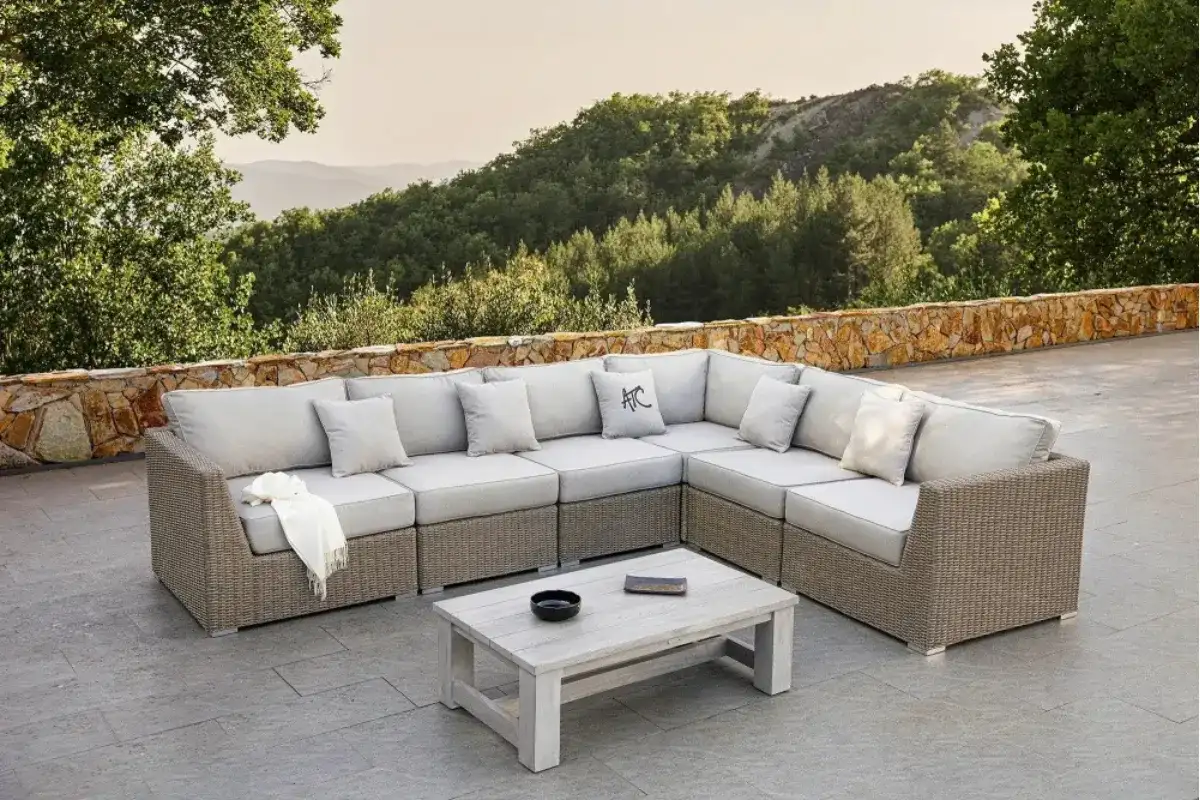
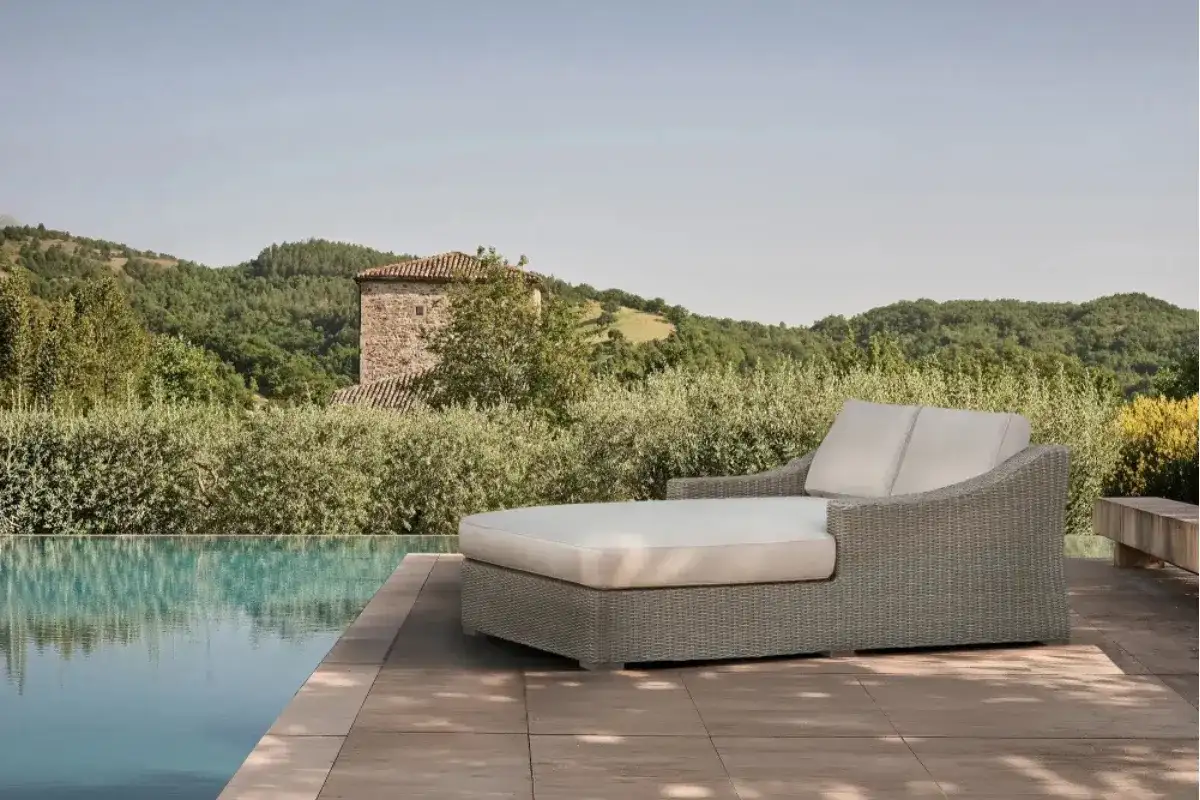
7. Selected Premium Synthetic Rattan Chair Models for Villas and Resorts
8. Conclusion
Synthetic rattan weaving fibers are widely used in the outdoor furniture industry thanks to their weather resistance, high durability, and flexible aesthetic value. From flat and round fibers to half-round fibers, each type has its own characteristics that suit different design styles and usage needs.
To ensure long-term investment value, users should carefully consider material quality, installation location, and product manufacturing standards. Choosing the right type of synthetic rattan fiber not only helps extend furniture lifespan, but also maintains lasting beauty for gardens, villas, resorts, and outdoor relaxation areas.
9. Frequently Asked Questions About Synthetic Rattan Fibers
9.1. How Can You Identify Furniture Made with Premium Virgin HDPE Synthetic Rattan?
High-quality HDPE synthetic rattan fibers usually have an even surface, good elasticity, and no strong plastic smell. When observed closely, the fiber color is stable and shows minimal unevenness or color difference between woven areas. In addition, well-crafted products usually feature tight weaving, even spacing, and neatly finished fiber ends to improve durability during outdoor use.
9.2. How Long Do Synthetic Rattan Fibers Last?
The lifespan of synthetic rattan fibers depends on material quality and actual usage conditions. With high-quality virgin HDPE fibers, products can maintain durability for 5 to 10 years or longer when used and maintained properly. This is also why the material is widely applied in outdoor villa, resort, and hotel projects.
9.3. Is Cleaning Tightly Woven Synthetic Rattan Sofa Furniture Complicated, and What Should Be Noted?
Cleaning synthetic rattan furniture is very simple thanks to the water-resistant properties of HDPE resin. Every month, you only need to use a soft dust brush or a moderate-pressure water hose to rinse away dust from the woven gaps, then wipe with a soft cloth and let it dry naturally. Avoid using strong acidic cleaning agents or steel brushes, as they may damage the UV-resistant protective layer on the fiber surface.
9.4. Why Is the Price of Premium Synthetic Rattan Dining Sets Much Higher Than Low-Cost Products on the Market?
The investment difference comes from material quality and craftsmanship. Premium products use 100% imported UV-resistant virgin HDPE synthetic rattan fibers and rust-free anodized aluminum frames or standard steel frames with a thickness of 1.8 mm - 2.5 mm, finished with factory powder coating. In addition, the product requires dozens of hours of careful handweaving by skilled artisans to achieve a smooth fish-scale finish, paired with premium Sunbrella water-repellent cushions. This results in a lifespan of decades, far superior to low-cost thin iron products with hand-sprayed paint that deteriorate quickly.
9.5 Do Round Synthetic Rattan Strands Always Indicate Better Quality?
No. Round strands can create a thicker and more natural appearance, but shape alone does not determine quality. Buyers should also check the material composition, UV resistance, thickness, flexibility, color consistency, and overall weaving quality.
9.6 What Should Buyers Request When Comparing Synthetic Rattan Fibres?
Buyers should ask for details such as fibre material, profile shape, strand thickness, weight, UV resistance, color options, flexibility, weather resistance, and available test reports or certifications. Samples are also useful for comparing texture and consistency before placing a bulk order.