Furniture Sourcing Checklist for Outdoor Furniture Buyers

Importing outdoor furniture involves more than comparing products and quotations. Buyers need to choosing right outdoor furniture supplier and evaluate manufacturing capability, materials, product quality, and export experience to reduce risks when placing bulk orders.
This furniture sourcing checklist covers the key factors buyers should review, from factory capability and quality control to export experience, helping businesses compare suppliers objectively and select reliable partners for long-term sourcing.
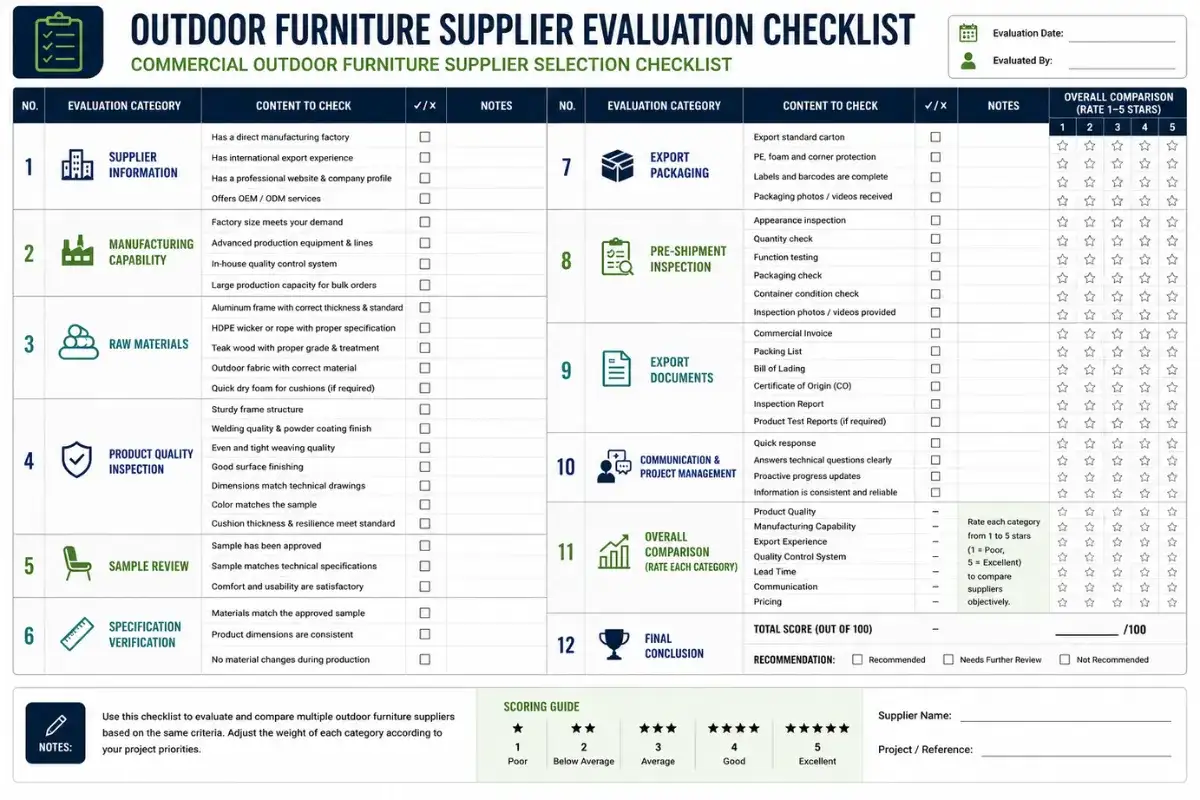
A standardized checklist helps buyers compare suppliers consistently and avoid missing critical factors.
1. Why Supplier Evaluation Matters Before Bulk Orders
Choosing an outdoor furniture supplier directly affects product quality, project schedules, customer satisfaction, and brand reputation. B2B orders for hotels, resorts, retailers, and commercial projects often involve significant investment and international shipping.
If quality problems are discovered after delivery, buyers may face replacement costs, project delays, and customer complaints. A structured supplier evaluation helps businesses:
- Reduce quality and delivery risks.
- Maintain consistency across orders.
- Compare suppliers using the same criteria.
- Build long-term supplier relationships.
- Protect brand reputation and customer satisfaction.
A capable supplier should consistently deliver quality products while maintaining reliable production schedules and supporting future business growth.
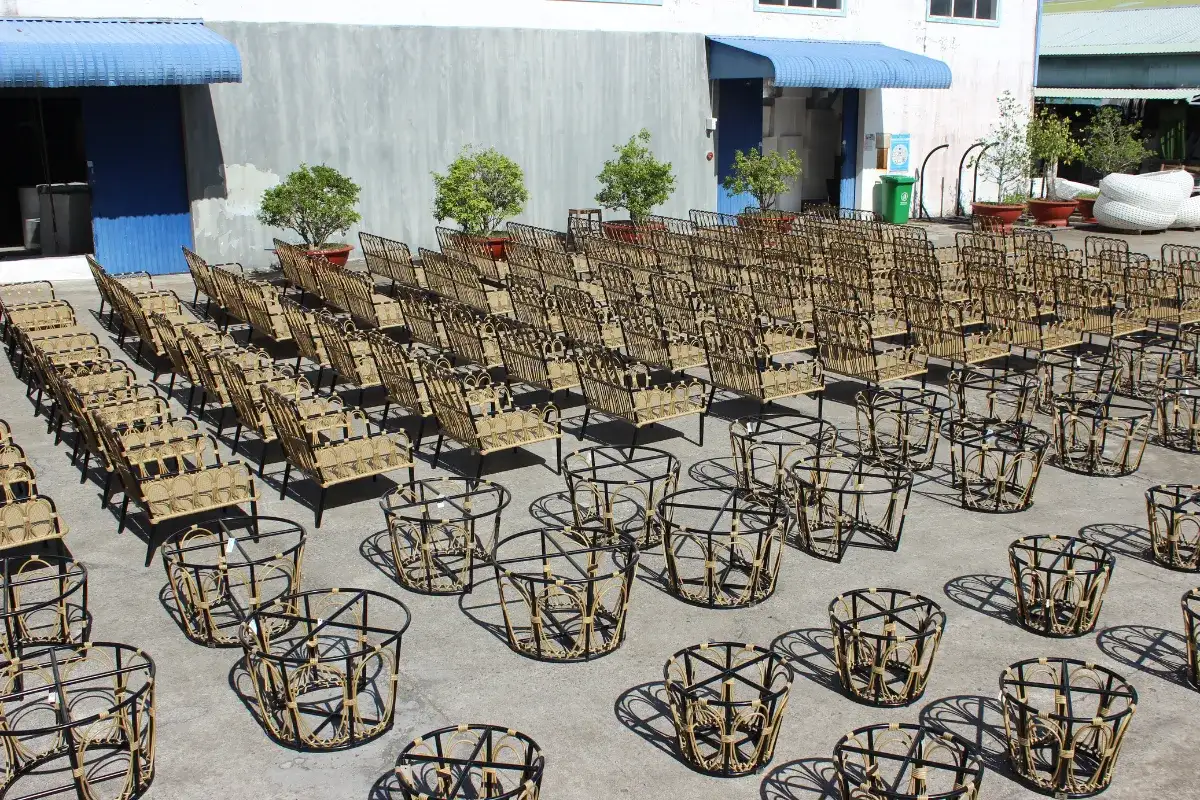
Buyer Tip: The lowest quotation does not always deliver the lowest total cost. Consistent quality, fewer defects, and reliable support often provide better long-term value.
2. Factory and Export Capability Checklist
Product photos and catalogs are not enough to evaluate a manufacturer. Buyers should verify production capacity, material sourcing, product categories, and export experience before selecting a supplier for long-term projects.
2.1 Production Capacity
Production capacity determines whether a supplier can meet order quantities, delivery schedules, and quality expectations as volumes increase.
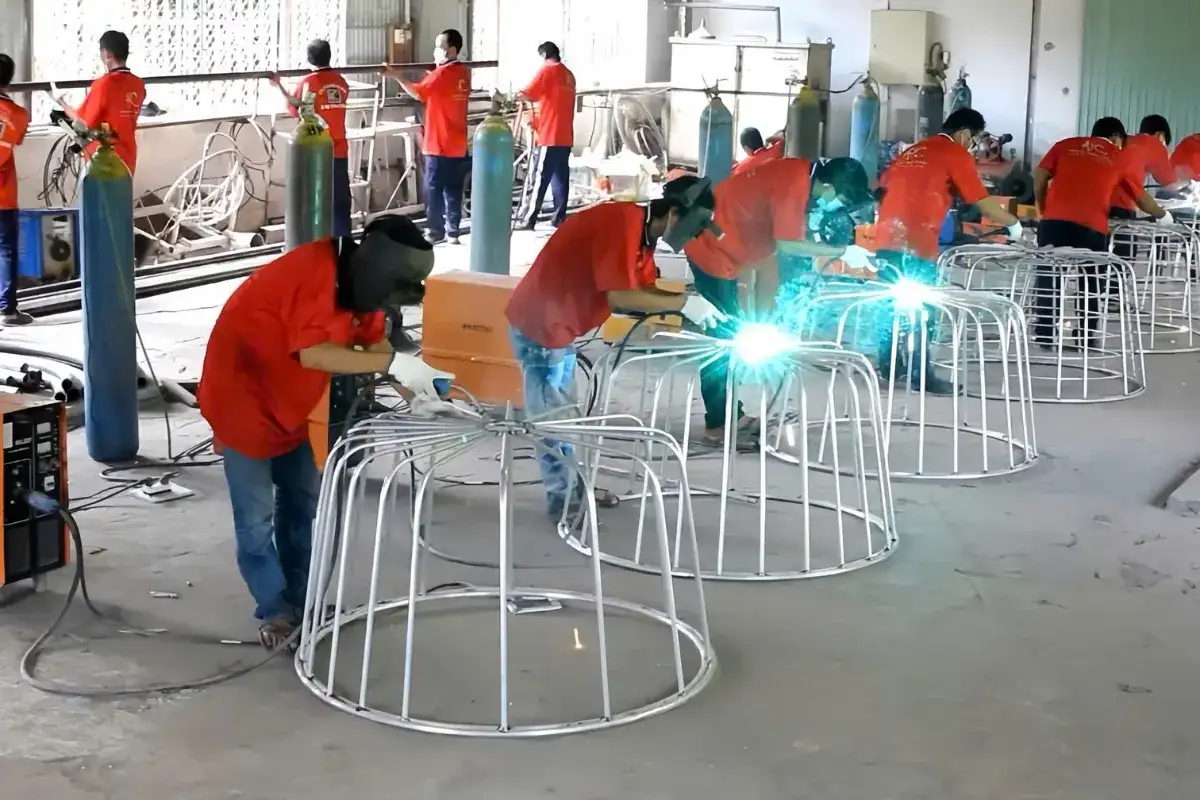
Manufacturing capability is measured not only by output but also by the ability to maintain consistent quality and reliable lead times.
|
Evaluation Item |
Why It Matters |
|
Factory size |
Indicates production scale |
|
Number of workers |
Reflects workforce capacity |
|
Monthly production capacity |
Determines ability to fulfill large orders |
|
Lead time |
Supports delivery planning |
|
Production management |
Indicates scheduling efficiency |
|
Peak season capacity |
Reduces delivery risks |
For commercial projects and hotel orders, buyers should also ask how the factory manages multiple orders while maintaining consistent quality during peak seasons.
2.2 Material Sourcing
The performance of outdoor furniture depends directly on raw material quality. A reliable outdoor furniture supplier should provide clear information about material sources and specifications.
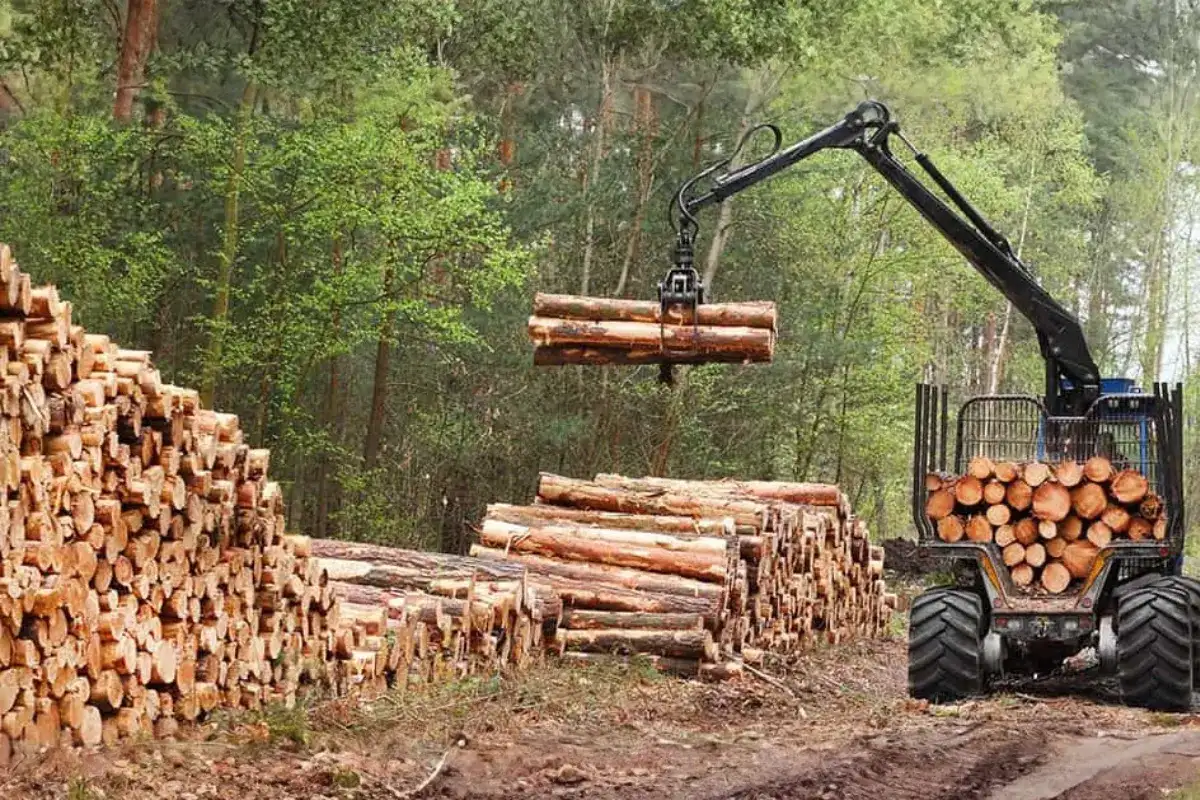
Evaluating raw material sourcing provides valuable insight into product quality and long-term supply chain reliability.
|
Material |
Key Checkpoints |
|
HDPE wicker |
UV resistance, color consistency, weather resistance |
|
Outdoor rope |
Tensile strength, UV stability, water resistance |
|
Aluminum frame |
Alloy grade, wall thickness, corrosion resistance |
|
Teak or hardwood |
Moisture content, stability, sourcing |
|
Outdoor fabric |
Fade resistance, water repellency, removable covers |
|
Cushion foam |
Density, resilience, drainage |
Clear specifications allow buyers to compare suppliers based on measurable quality rather than product appearance alone.
2.3 Product Categories
A manufacturer with experience across multiple product categories can be more suitable for projects requiring coordinated furniture collections.
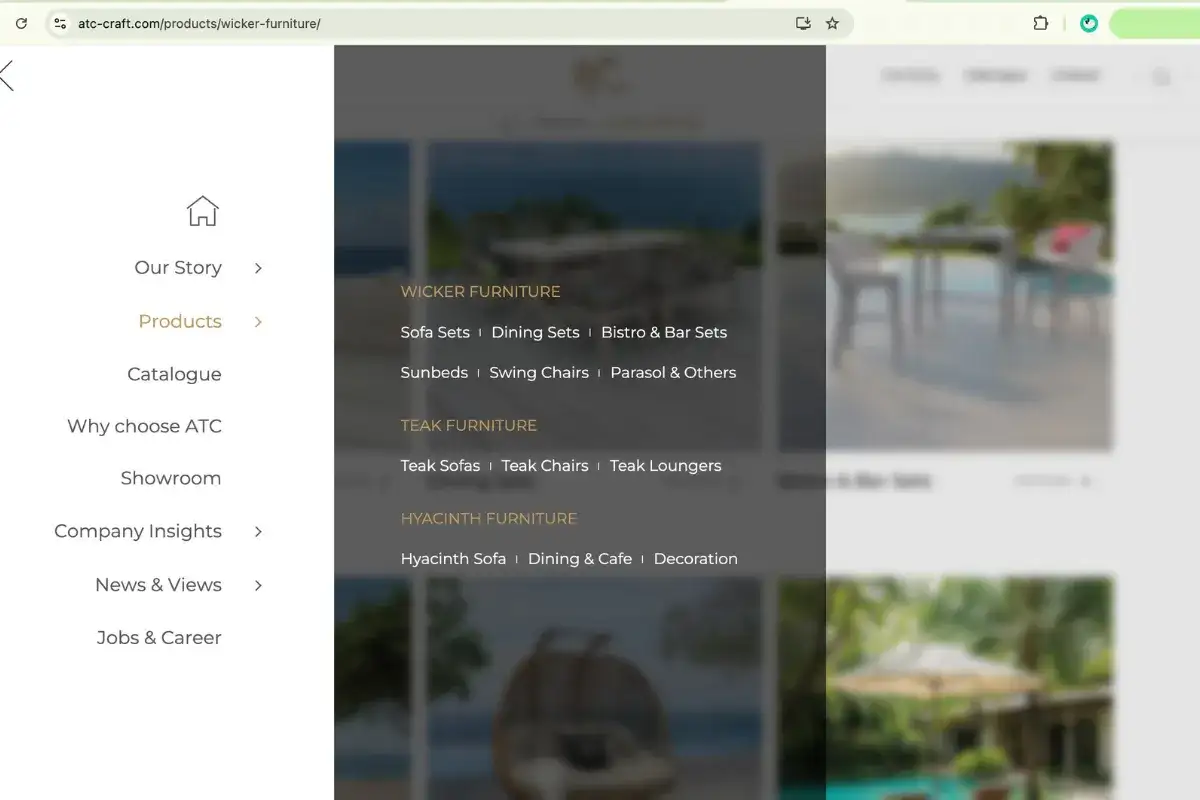
A wide product range reflects manufacturing expertise, product development strength, and the flexibility to meet different project requirements.
This is particularly useful for hotels, resorts, commercial projects, and property developments requiring multiple furniture types. Consolidating different collections with one supplier can also simplify purchasing, logistics, and supply chain management.
2.4 Export Documentation
Export experience is an important consideration when selecting an outdoor furniture supplier. Experienced manufacturers are generally more familiar with international logistics, packaging, documentation, and destination-market requirements.
Buyers should verify the supplier's ability to prepare:
- Commercial Invoice.
- Packing List.
- Bill of Lading.
- Certificate of Origin (C/O), when required.
- Inspection or product test reports required by the market.
Buyers should also confirm whether the supplier has previous experience exporting to their target market. Familiarity with local requirements can reduce mistakes involving documentation, labeling, packaging, and customs procedures.
2.5 OEM & Product Development Capability
For distributors, retailers, and private label brands, OEM/ODM capability provides greater flexibility for developing products that match specific markets and brand requirements.
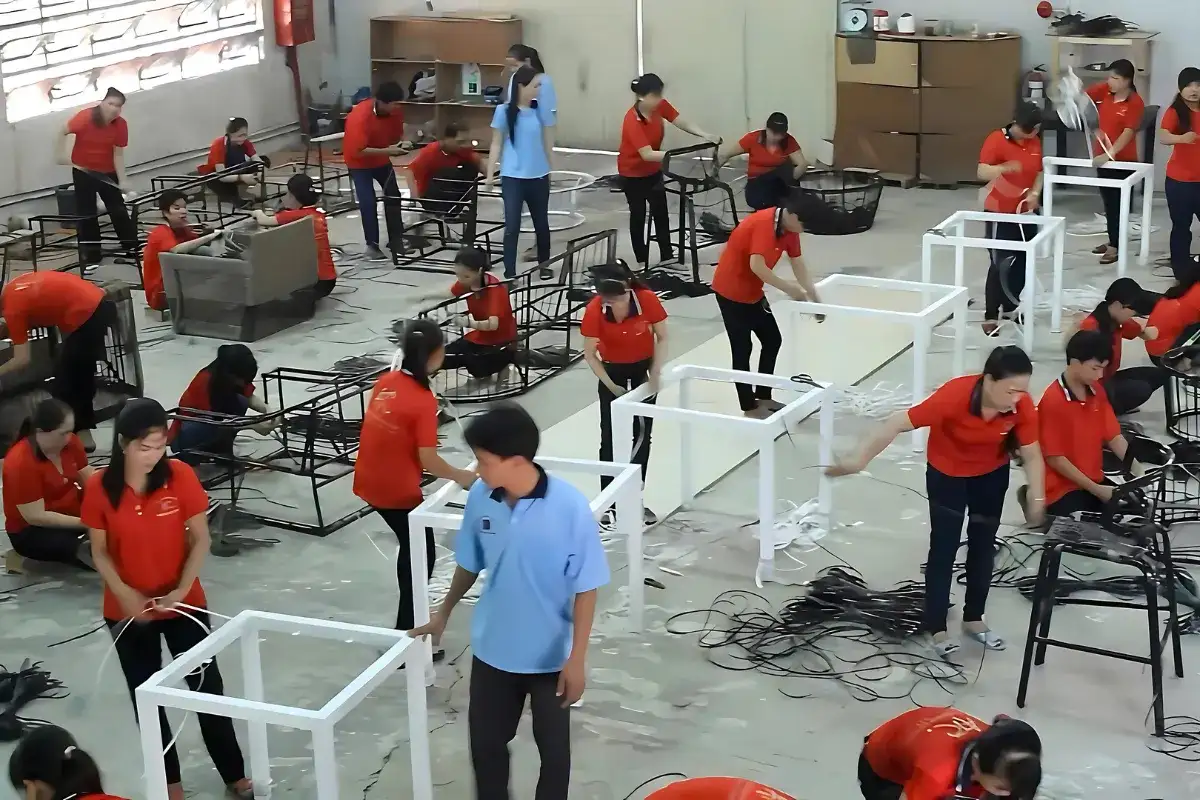
Strong OEM and product development capabilities enable manufacturers to transform custom concepts into market-ready outdoor furniture.
Buyers should confirm:
- Can the factory handle OEM or ODM projects?
- Is there an in-house R&D team?
- Can dimensions, wicker, rope, and fabrics be customized?
- Is private labeling available?
- Can products be developed from technical drawings?
OEM/ODM capability is particularly valuable for customized hospitality, retail, and commercial projects that require consistent design and product differentiation.
3. Product Quality Checkpoints
After evaluating factory capability, buyers should inspect the actual product quality. For outdoor furniture, key checkpoints include frame construction, surface finishing, weaving, cushions, and structural stability.
3.1 Frame Strength
The frame is the structural foundation of outdoor furniture and directly affects product stability and lifespan. For premium outdoor furniture, aluminum frames are widely used because they offer corrosion resistance while remaining lightweight.
Buyers should check:
- Frame material and aluminum thickness.
- Welding quality and joint construction.
- Frame alignment and stability.
- Reinforcement at load-bearing points.
- Smooth edges without deformation.
- Surface finish and corrosion protection.
When possible, ask whether the manufacturer performs load or structural testing, especially for furniture intended for hotels, resorts, and commercial projects.
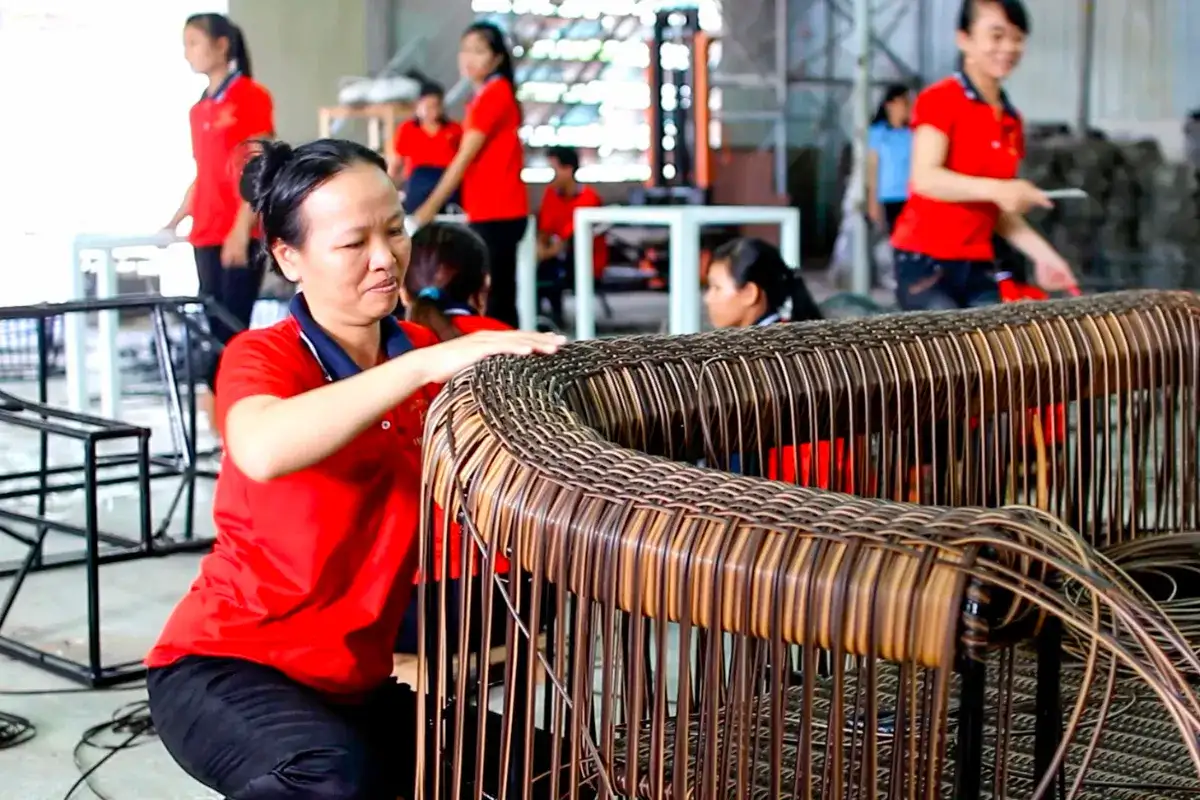
A well-engineered aluminum frame provides lasting stability, reliable load capacity, and long-term outdoor durability.
3.2 Weaving Quality
Powder coating and surface finishing protect furniture against moisture, UV exposure, and corrosion while maintaining its appearance.
Buyers should verify:
- Consistent color across products.
- Smooth surfaces without peeling, bubbles, or scratches.
- Complete coating around welds and joints.
- Finishes that match approved samples.
For wooden components such as teak, check for smooth sanding, consistent finishing, and controlled moisture content to reduce the risk of cracking or warping.
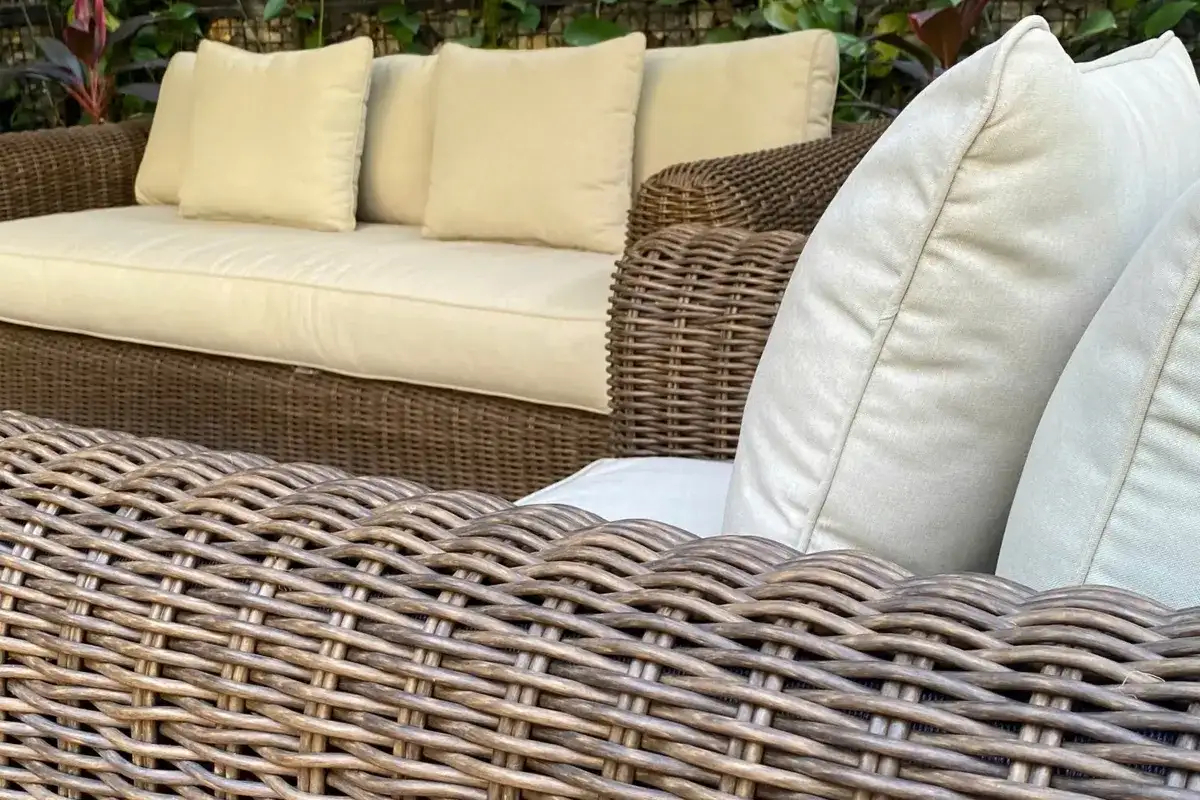
Consistent weaving, balanced tension, and skilled craftsmanship enhance durability and premium appearance.
3.3 Weaving Quality
For HDPE wicker and outdoor rope furniture, weaving quality affects both durability and appearance.
Key checkpoints include:
- UV-resistant wicker or rope.
- Consistent color and material thickness.
- Uniform weaving patterns.
- Balanced tension without loose or sagging sections.
- Clean and securely finished edges.
A reliable supplier should maintain consistent weaving quality across production batches rather than only on approved samples.
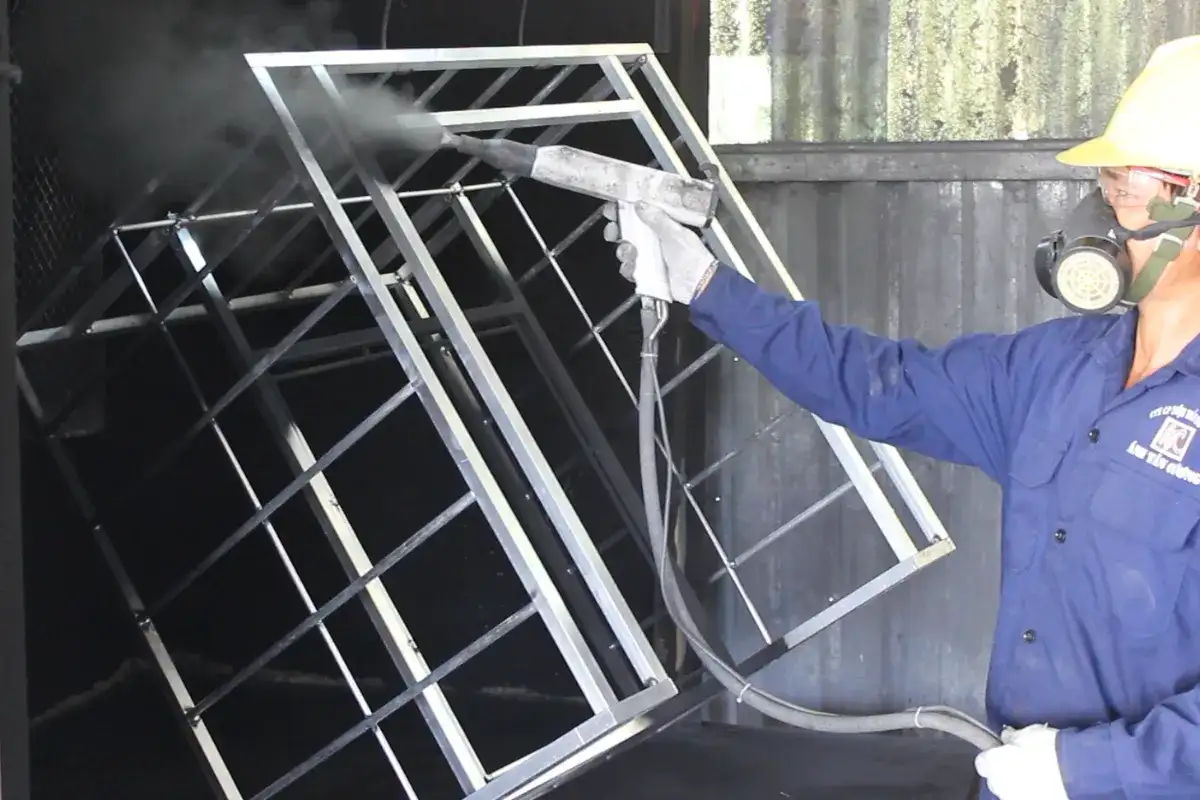
An even powder-coated finish enhances corrosion resistance while protecting aluminum frames for long-term outdoor performance.
3.4 Cushion Specifications
Outdoor cushions should provide comfort while remaining suitable for changing weather conditions.
Buyers should confirm:
- Foam density and cushion thickness.
- UV-resistant and water-repellent outdoor fabric.
- Straight, reinforced stitching.
- Durable zippers and removable covers.
- Color consistency with approved samples.
For humid or rainy environments, quick-dry foam can improve drainage and reduce drying time.
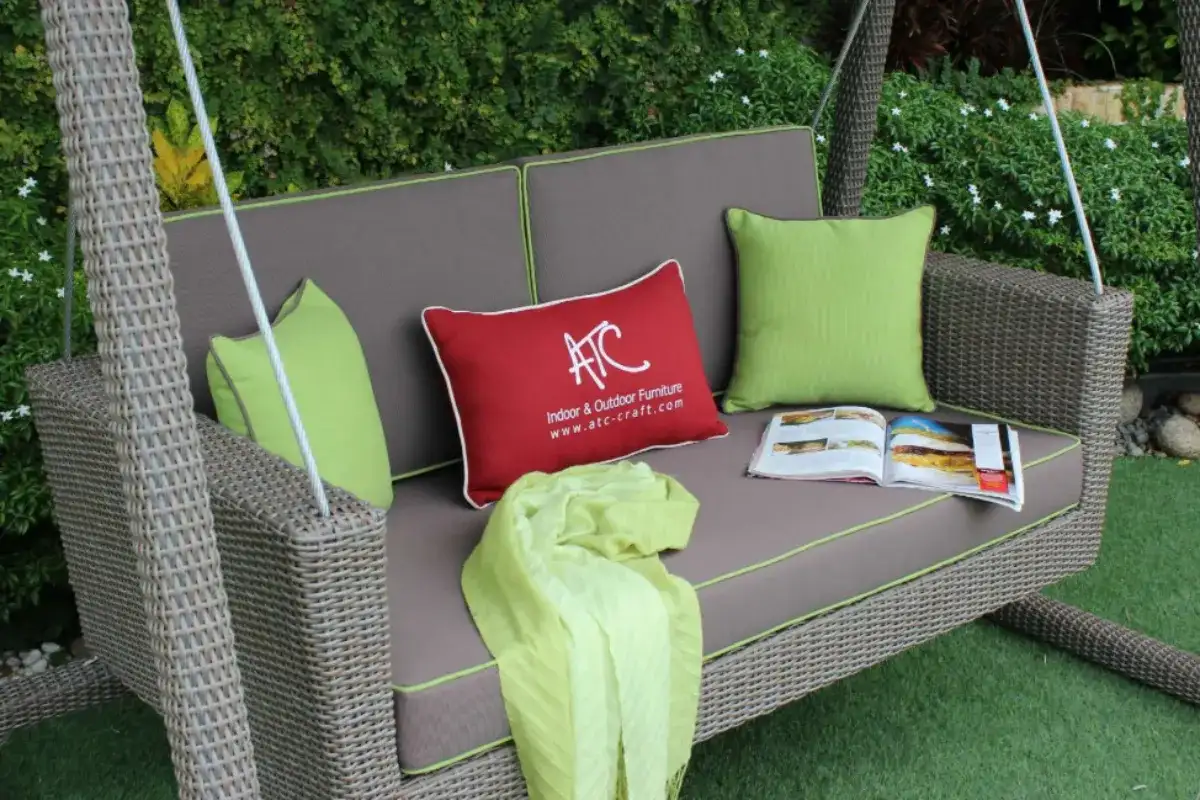
Water-repellent outdoor fabric and removable cushion covers make cleaning and routine maintenance much easier.
3.5 Outdoor Durability Testing
Product appearance alone does not confirm long-term outdoor performance. Buyers should ask how the supplier verifies UV resistance, weather resistance, corrosion protection, and structural durability.
For commercial projects, test reports or documented quality procedures can provide additional confidence that materials and finished products meet the required specifications.
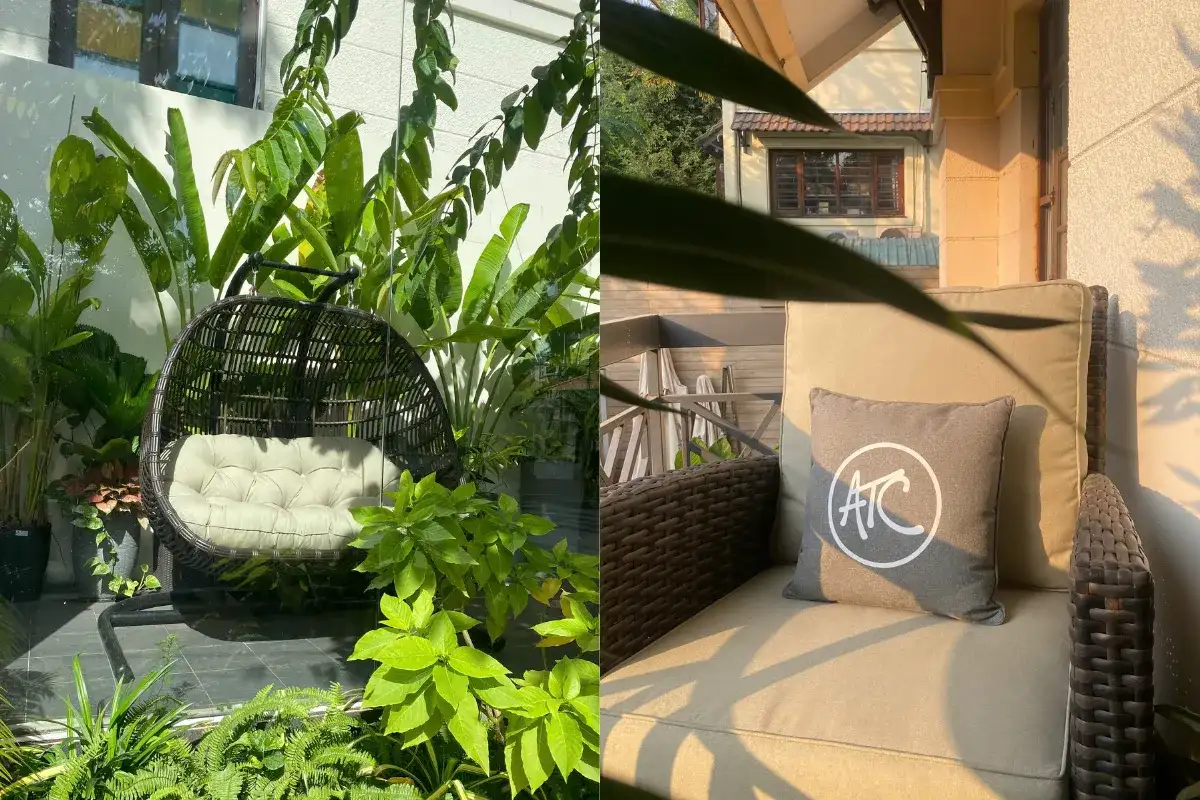
UV resistance, moisture protection, and weather durability testing help verify the long-term performance of outdoor furniture.
|
Checkpoint |
What to Verify |
|
Frame |
Material, welds, stability |
|
Surface |
Consistent finish, no peeling or scratches |
|
Wicker/Rope |
UV resistance, color, weaving quality |
|
Cushions |
Foam, fabric, stitching, weather resistance |
|
Durability |
Load stability and outdoor performance |
4. Sample Review and Pre-shipment Inspection
Approved samples and inspections help ensure finished products match the agreed specifications before mass production and shipment.
4.1 Review the Product Sample
The approved sample should become the reference standard for mass production. Buyers should verify:
- Product dimensions.
- Materials and colors.
- Frame construction and stability.
- Wicker or rope weaving.
- Cushion specifications.
- Surface finishing and overall appearance.
Any changes after sample approval should be confirmed in writing before mass production.
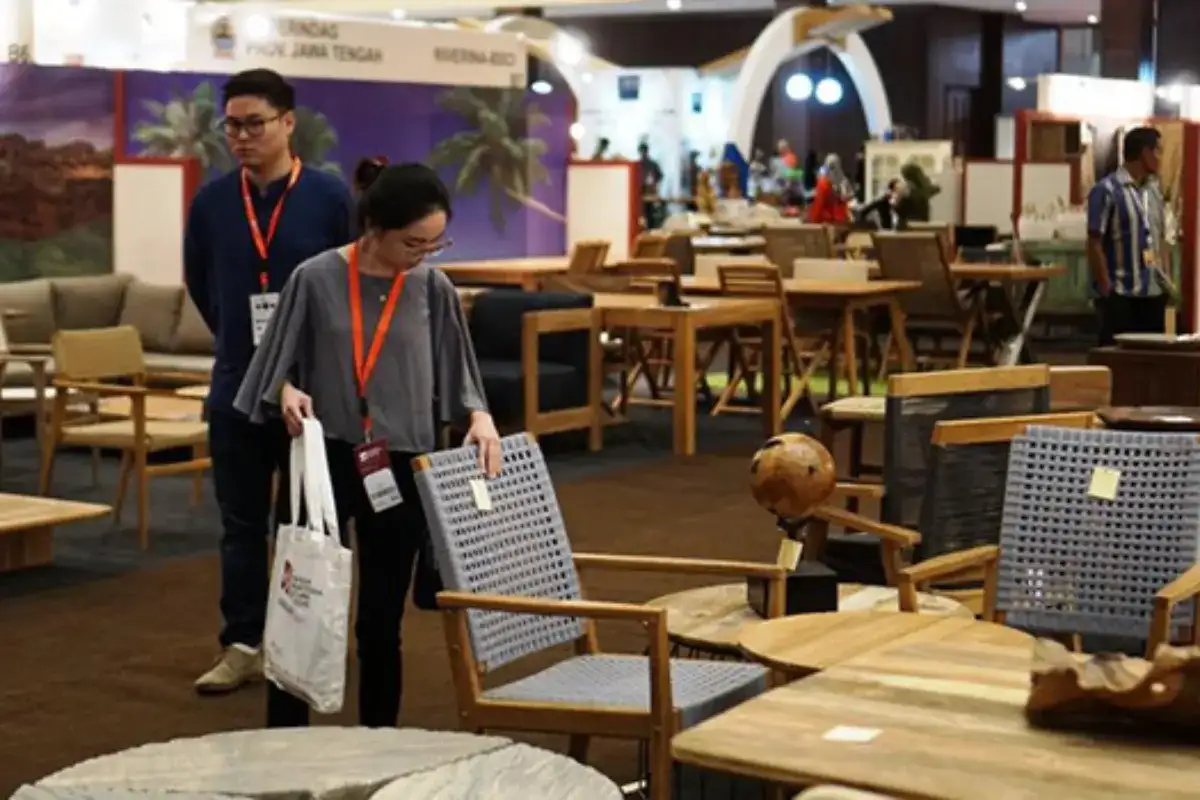
Sample evaluation helps ensure the final production matches the approved design, specifications, and quality standards.
4.2 Verify Materials and Specifications
Once approved samples are confirmed, buyers should ensure production follows the same specifications for frame materials, HDPE wicker, outdoor rope, fabrics, cushions, colors, and dimensions.
For large or customized OEM/ODM orders, in-process inspection can identify material, color, dimension, or workmanship issues before production is completed.
Technical drawings, approved material samples, and product specifications should be retained as references throughout production.
4.3 Conduct Pre-shipment Inspection
Proper packaging protects outdoor furniture throughout international transportation. Buyers should check protective materials, export cartons, product identification, and how furniture is secured inside the packaging.
Finished surfaces such as powder-coated frames, wood, and tabletops should receive adequate protection against scratches and impact during handling and shipping.
Before container loading, buyers can also request packaging photos or videos to verify the actual packing method.
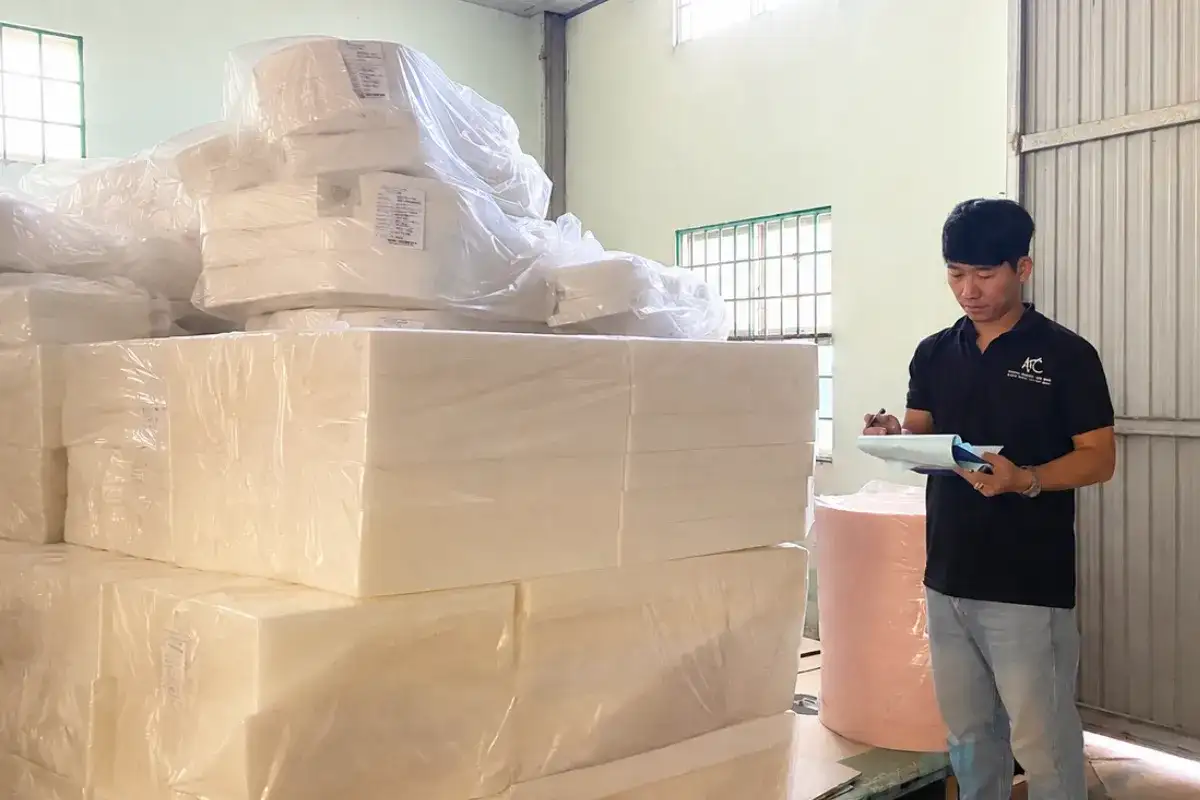
Proper export packaging protects outdoor furniture from impact, moisture, and damage throughout international transportation.
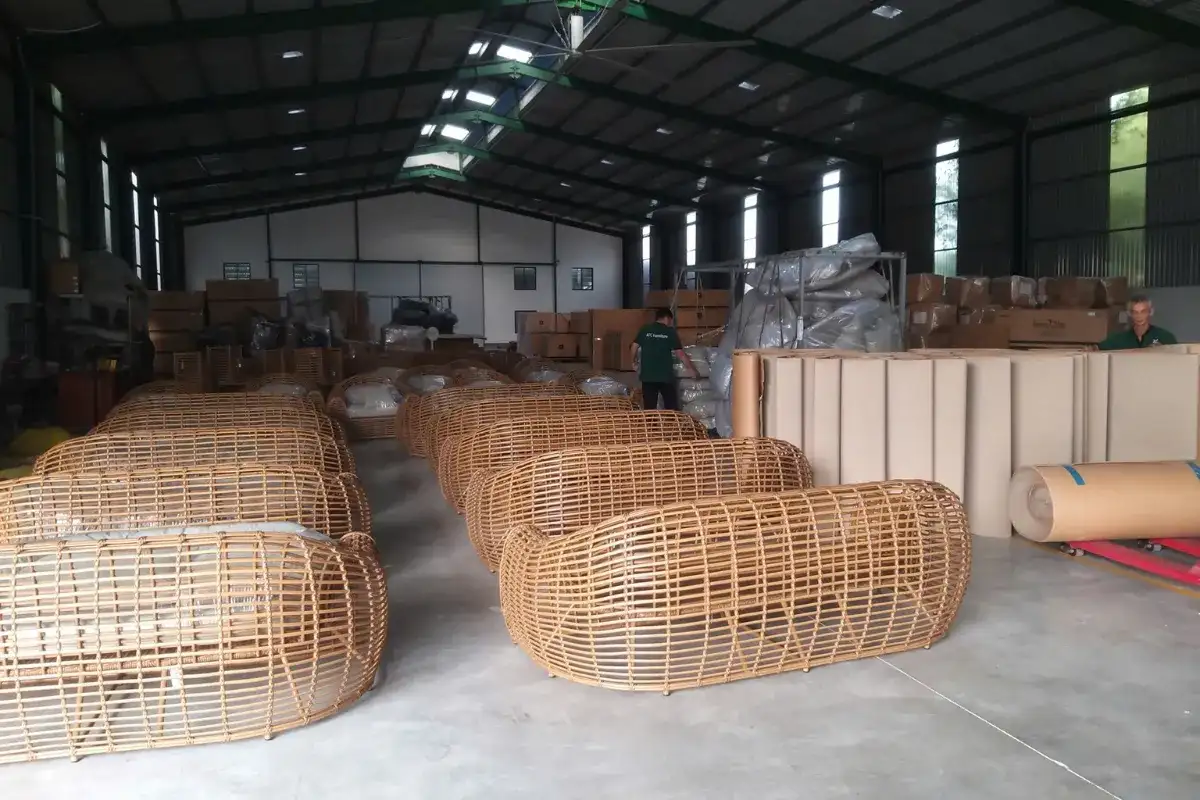
Final product inspections help identify potential issues early and ensure consistency across the entire production batch.
5. Supplier Red Flags
When evaluating an outdoor furniture supplier, buyers should watch for warning signs that may indicate potential quality, production, or communication risks before placing bulk orders.
|
Red Flag |
Potential Risk |
|
Unusually low pricing |
Materials or quality control may be compromised |
|
Unclear material specifications |
Difficult to maintain consistent quality |
|
Factory or product inspection is restricted |
Limited transparency |
|
Bulk production differs from approved samples |
Inconsistent materials, colors, or workmanship |
|
Slow or unclear communication |
Higher risk of errors, especially for OEM/ODM orders |
|
No clear production schedule |
Increased risk of production and delivery delays |
6. How to Use the Checklist When Comparing Suppliers
A sourcing checklist is most valuable when it becomes a structured decision-making tool rather than a simple list of questions.
A furniture sourcing checklist is most effective when every manufacturer is evaluated using the same criteria. This allows buyers to compare suppliers based on actual capabilities rather than quotations or product photos alone.
6.1 Build a Supplier Comparison Table
An outdoor furniture supplier checklist can be divided into several key areas:
- Production capacity.
- Material quality.
- Product quality and construction.
- Quality control.
- Export experience.
- OEM/ODM capability.
- Lead time and supplier support.
For hotels, resorts, and commercial projects, buyers should give greater priority to factors that directly affect product consistency, delivery schedules, and long-term supply reliability.
A furniture factory audit checklist can also be used during factory visits to verify whether the supplier's actual production processes match the information provided during sourcing.
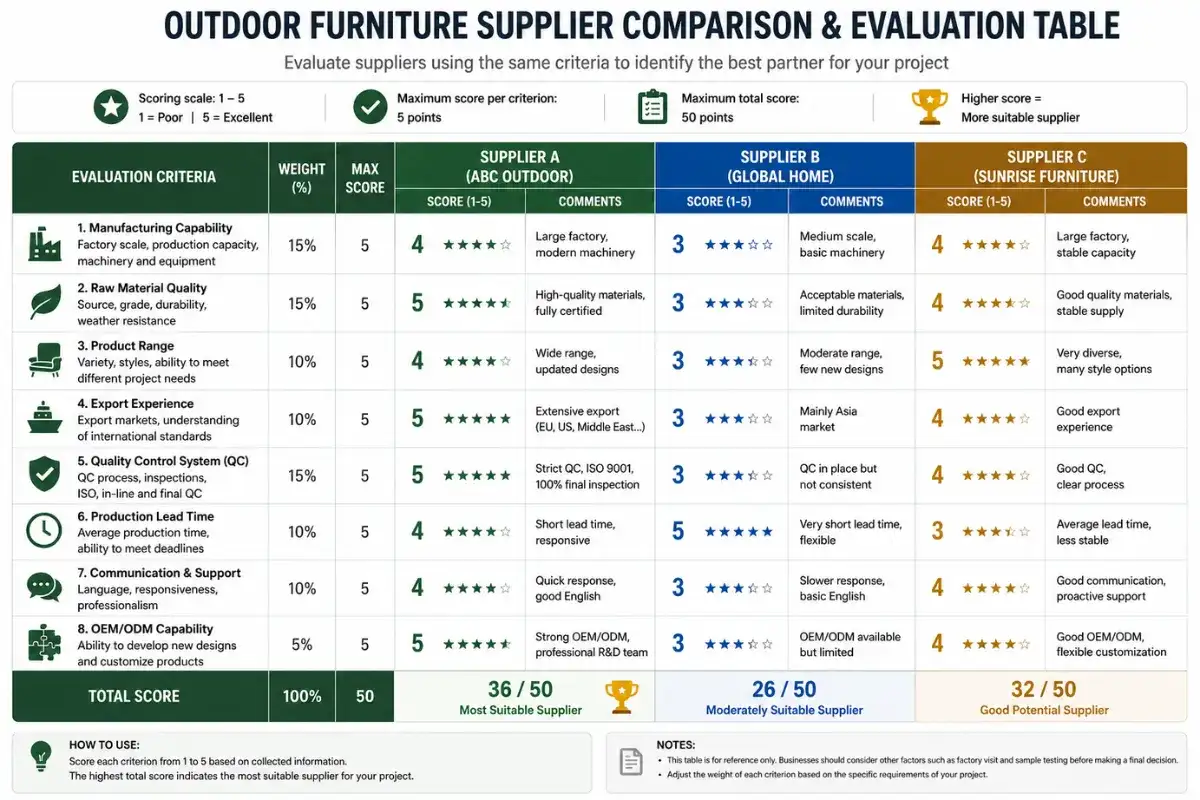
Comparing manufacturing capability, quality control, lead time, and export experience provides a clearer view of supplier reliability. (Source: Internet)
6.2 Use a Supplier Scoring System
Assigning weighted scores to each evaluation category provides a more objective way to compare potential outdoor furniture suppliers.To make comparisons more objective, buyers can score each supplier using the same system and assign greater weight to the most important criteria.
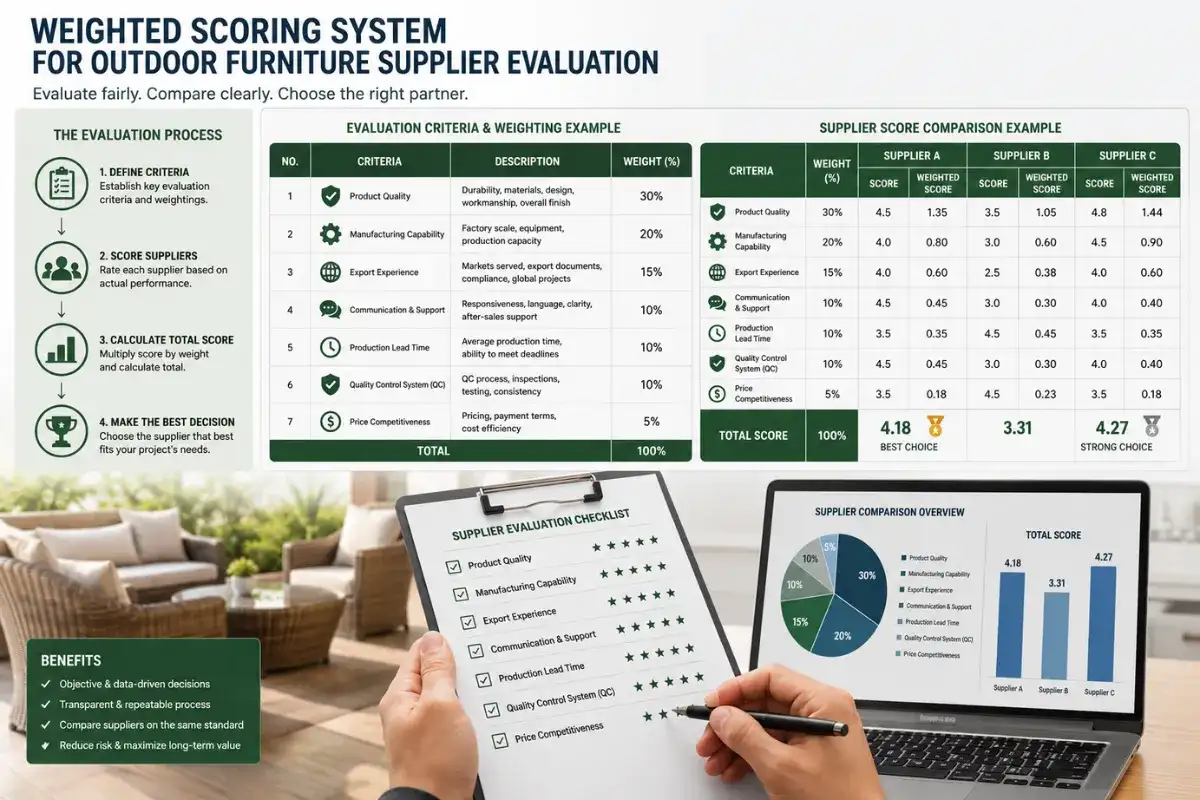
A weighted scoring system enables buyers to evaluate suppliers objectively and select the most suitable long-term partner. (Source: Internet)
|
Evaluation Criteria |
Suggested Weight |
|
Product quality |
25% |
|
Production capacity |
20% |
|
Quality control |
20% |
|
Export experience |
15% |
|
OEM/ODM capability |
10% |
|
Communication & support |
10% |
6.3 Review Supplier Performance Regularly
Supplier evaluation should continue after the first order. Buyers should monitor defect rates, delivery performance, problem resolution, communication, and consistency between production batches.
Regular reviews help identify changes in supplier performance and reduce sourcing risks as order volumes increase or new outdoor furniture collections are introduced.
7. ATC Furniture: Outdoor Furniture Manufacturer in Vietnam
ATC Furniture is a Vietnam-based outdoor furniture manufacturer serving international B2B buyers and commercial projects. With manufacturing and export experience, ATC supports both standard collections and customized OEM/ODM orders.
7.1 Manufacturing and Quality Control
ATC Furniture operates a 30,000 m² factory supported by dedicated production, quality control, and R&D teams.
The factory works with a range of outdoor materials, including:
- HDPE wicker.
- Powder-coated aluminum.
- Outdoor rope.
- Teak and Acacia wood.
- Outdoor fabrics and cushions.
Quality control covers key stages from incoming materials and production to final inspection before packaging.
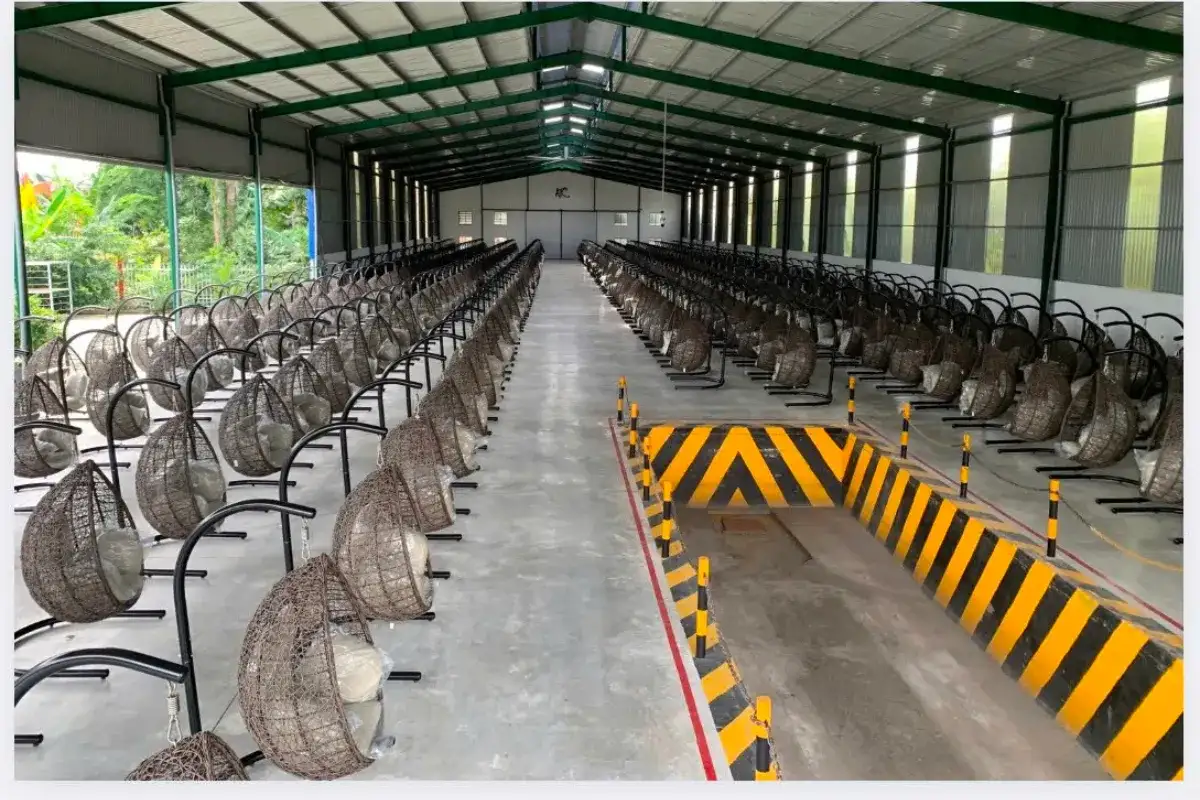
ATC Furniture delivers reliable manufacturing, strict quality control, and OEM solutions for global outdoor furniture projects.
7.2 OEM/ODM and Project Support
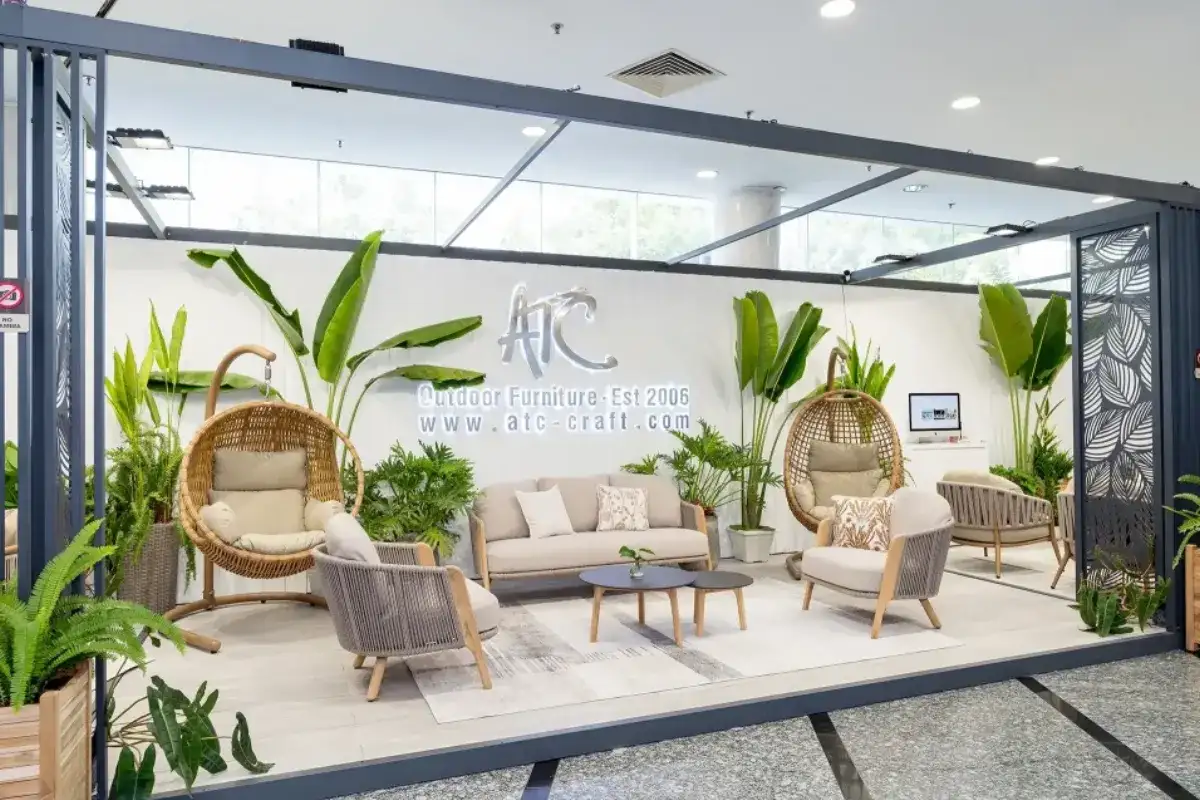
ATC Furniture provides OEM/ODM services for distributors, private label brands, hotels, resorts, and commercial projects. Buyers can customize dimensions, materials, wicker and rope colors, fabrics, and selected product details according to project requirements.
This flexibility allows buyers to develop Vietnam wicker furniture and other outdoor furniture collections that align with their target markets, project specifications, and brand positioning.
8. Frequently Asked Questions
8.1 What should buyers check when choosing an outdoor furniture supplier?
Review production capacity, materials, quality control, export experience, product samples, lead times, and OEM/ODM capabilities before placing bulk orders.
8.2 How can buyers identify high quality outdoor furniture?
Check frame construction, material specifications, surface finishing, weaving quality, cushions, durability, and consistency with approved samples.
8.3 Should buyers approve samples before mass production?
Yes. Approved samples provide a clear reference for dimensions, materials, colors, construction, and workmanship during mass production.
8.4 When should buyers conduct a factory or product inspection?
A furniture factory audit checklist can be used before supplier approval, while in-process and pre-shipment inspections help verify quality before products leave the factory.