Commercial Patio Furniture Buying Guide: Buying Guide for Hotels, Resorts, and Projects
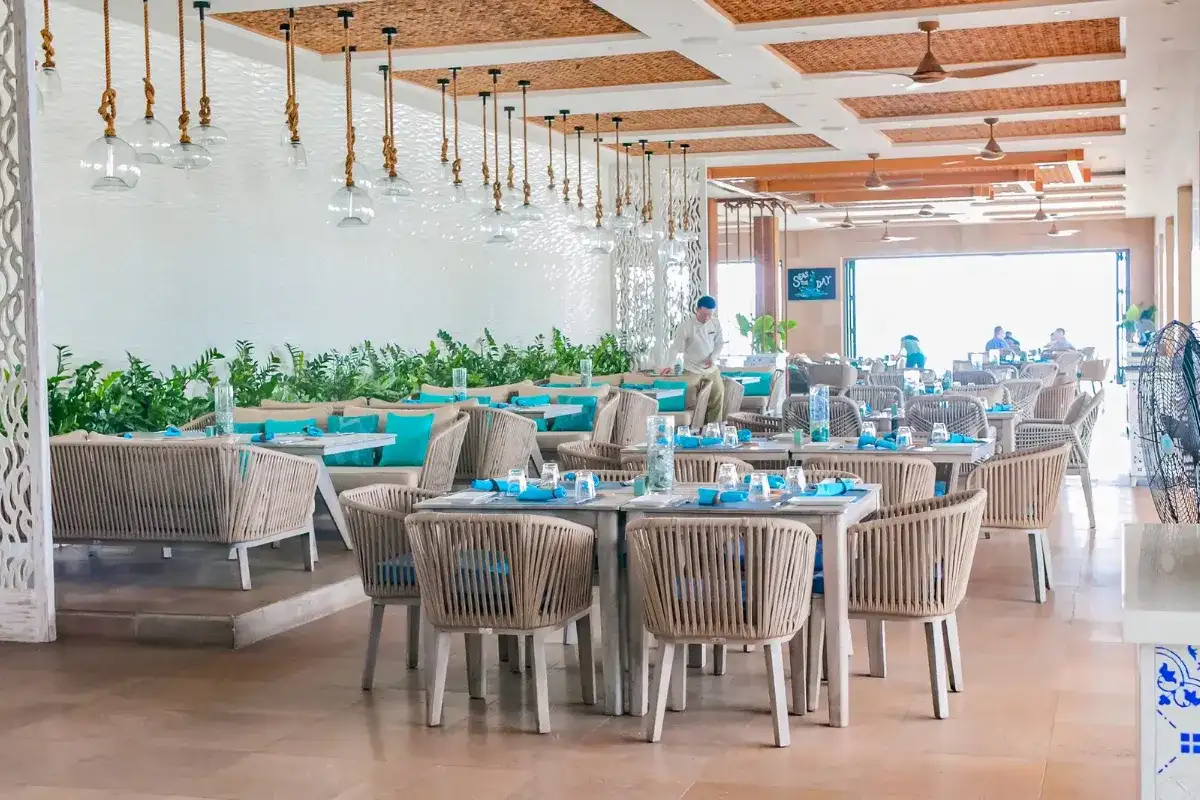
Buying commercial patio furniture for a hotel, resort, restaurant, apartment project, or other hospitality property requires a very different approach from purchasing furniture for a private home. In commercial environments, outdoor furniture is exposed to frequent use, changing weather conditions, repeated cleaning, and higher expectations for appearance and comfort.
A successful procurement decision therefore needs to consider much more than design and price. Buyers should evaluate durability, materials, maintenance requirements, furniture categories, replacement planning, production capability, quality control, and the supplier’s experience with commercial projects.
This commercial patio furniture buying guide provides a practical framework for hospitality procurement teams, project developers, distributors, architects, and other B2B buyers looking for furniture that can perform reliably throughout the project lifecycle.
1. What Hospitality Buyers Need From Outdoor Furniture
When selecting furniture for hotel projects, buyers are usually balancing several priorities at the same time. Furniture must complement the design concept while remaining comfortable, durable, maintainable, and suitable for intensive commercial use.
Unlike residential furniture, hotel outdoor furniture may be used by many different guests every day. Poolside loungers are repeatedly moved and exposed to water. Restaurant tables and chairs need regular cleaning. Balcony furniture must perform in relatively small spaces, while outdoor lounge areas need to remain visually consistent across dozens or even hundreds of units.
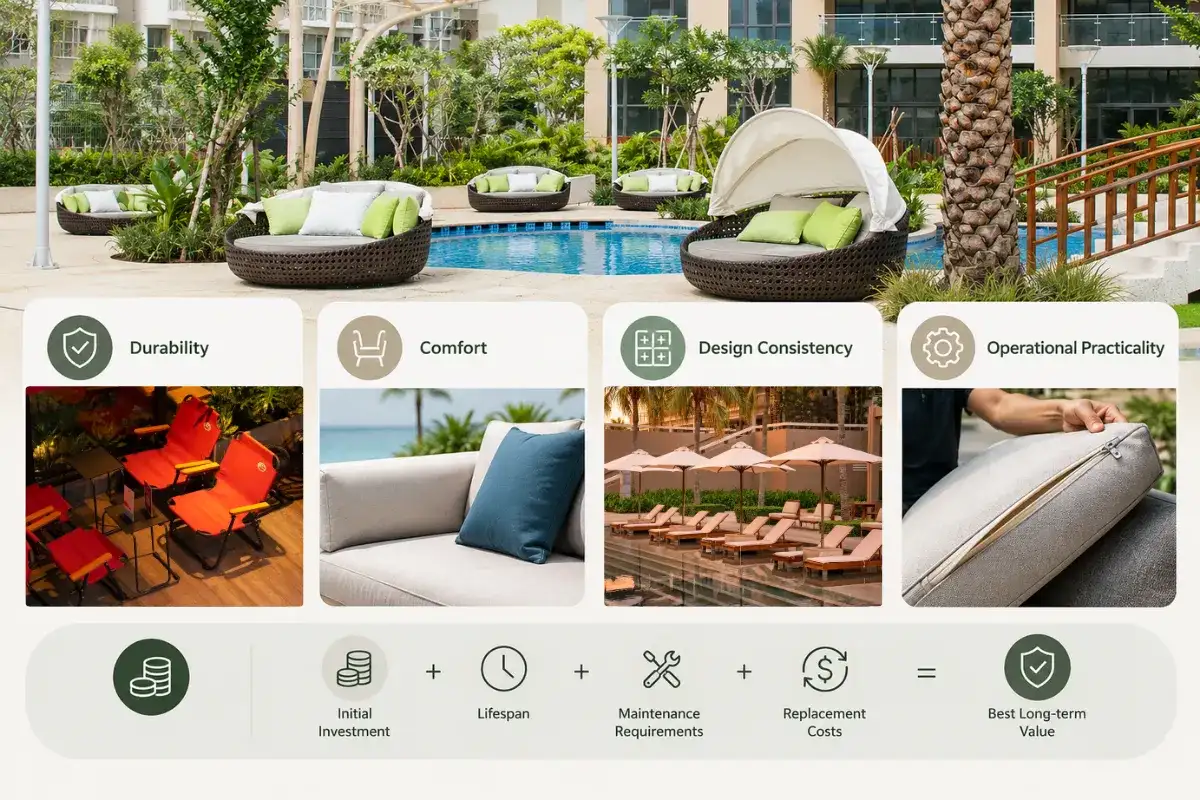
Four key factors hospitality buyers should evaluate when selecting outdoor furniture.
For this reason, hospitality buyers should evaluate four fundamental requirements.
Commercial durability. Frames, weaving materials, hardware, fabrics, cushions, and finishes should be selected according to the expected environment and frequency of use.
Guest comfort. Attractive furniture has limited value if guests cannot comfortably use it for dining, relaxing, socializing, or spending extended periods outdoors.
Design consistency. Furniture should support the overall architectural and interior concept of the property. Consistency in materials, colors, dimensions, and finishes becomes particularly important in large projects.
Operational practicality. Cleaning, maintenance, storage, movement, cushion replacement, and future replenishment all influence the real cost of furniture over time.
The best purchasing decision is therefore rarely the product with the lowest initial quotation. Buyers should consider the relationship between purchase cost, expected service life, maintenance requirements, and replacement costs.
2. Project Requirements
Before contacting suppliers, procurement teams should define how the furniture will actually be used.
Start by identifying the project type and installation environment. A beachfront resort has different requirements from an urban rooftop restaurant. Similarly, furniture used under a covered hotel terrace faces different conditions from pieces installed permanently beside a swimming pool.
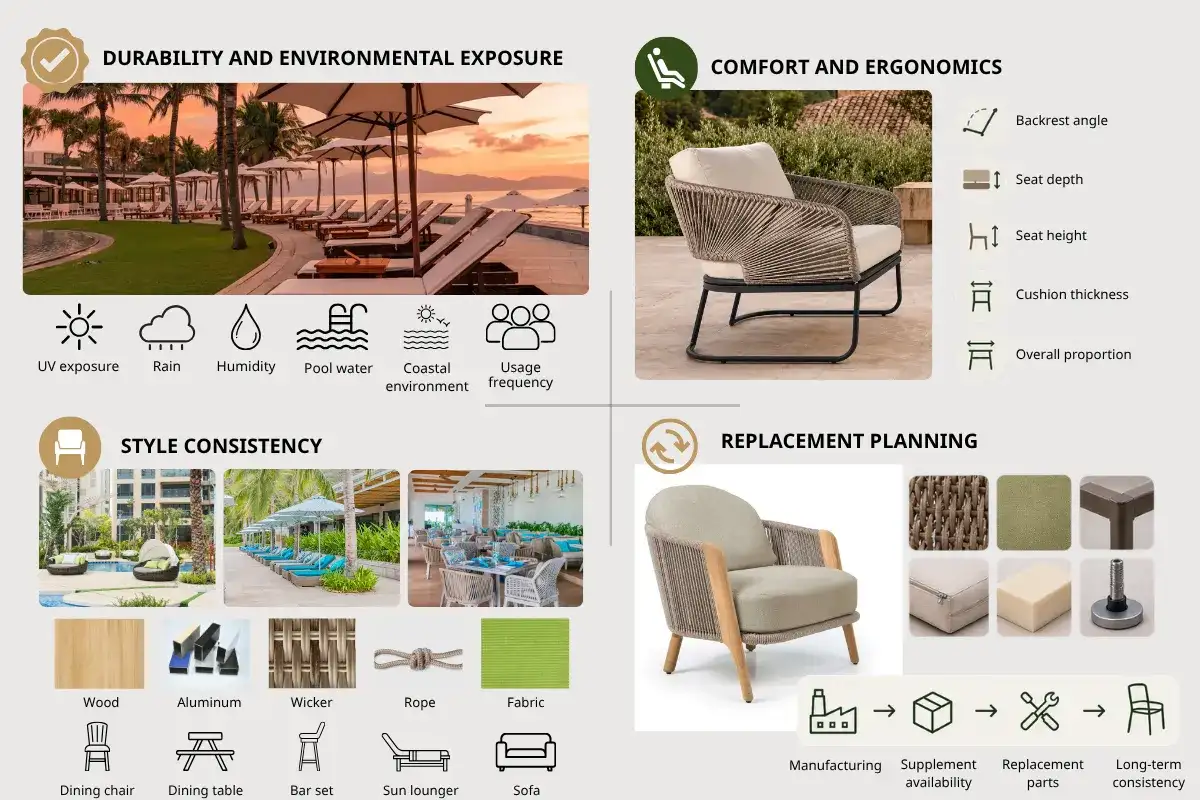
Key project requirements to evaluate before sourcing hotel outdoor furniture.
2.1 Durability and environmental exposure
Consider exposure to:
- UV radiation and direct sunlight
- Rain and humidity
- Pool water and moisture
- Coastal environments and salt air
- Frequent cleaning
- High guest turnover
- Repeated movement by guests and staff
These conditions should influence material specifications rather than being considered only after a product has been selected.
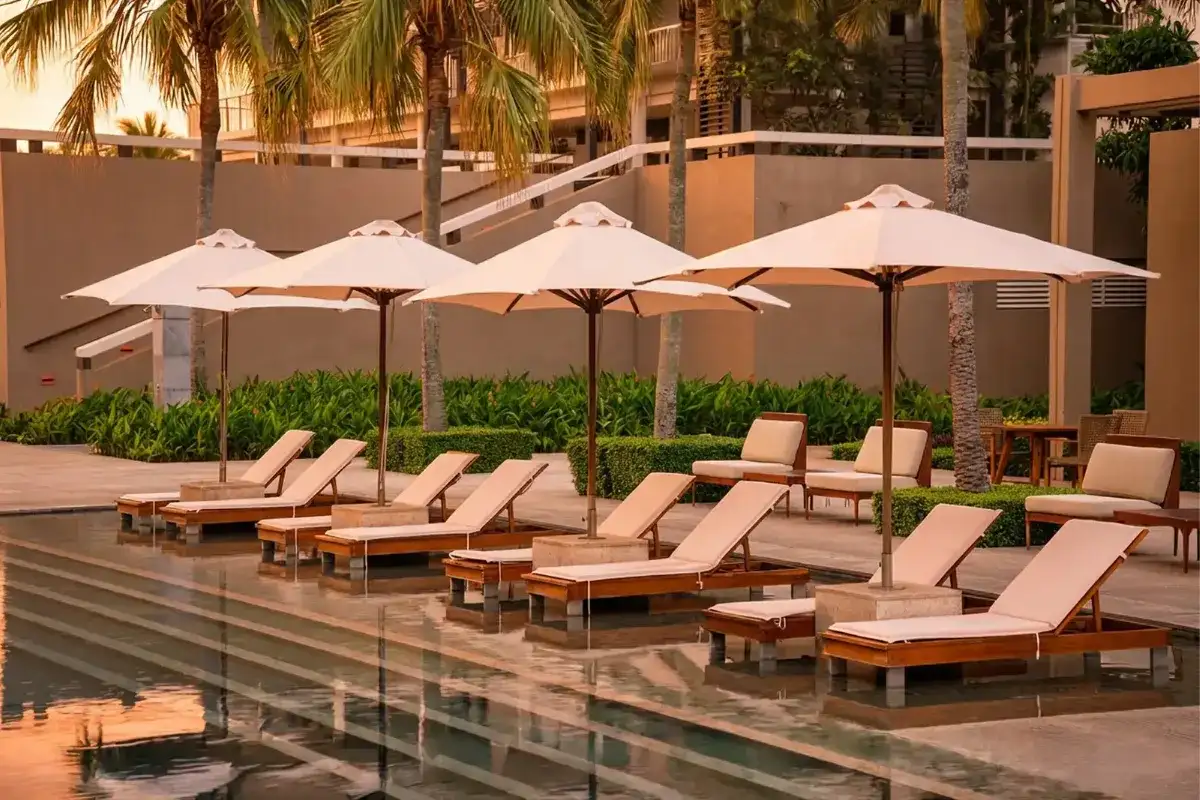
Outdoor furniture materials should match the environmental conditions and frequency of use.
For example, powder-coated aluminum is widely used for commercial outdoor furniture because it combines relatively low weight with corrosion resistance. HDPE synthetic rattan can provide the woven appearance associated with traditional wicker while being designed for outdoor exposure. Teak and outdoor rope provide additional aesthetic options but require buyers to understand their specific maintenance characteristics.
2.2 Comfort and ergonomics
Commercial durability should not come at the expense of comfort.
For lounge furniture, buyers should examine seat depth, backrest angle, cushion thickness, armrest height, and overall proportions. Dining furniture should provide appropriate seat and table heights, while sun loungers may require adjustable backrests and sufficient support for prolonged use.
Ergonomic furniture helps improve guest comfort during extended use.
Sampling becomes especially valuable here. Dimensions on a specification sheet cannot fully demonstrate how a chair or sofa feels when used.
2.3 Style consistency
Large hospitality projects frequently require multiple product categories that still need to look like one coordinated collection.
A coordinated furniture palette strengthens the overall guest experience.
A resort might require dining chairs, commercial outdoor tables, lounge sofas, sun loungers, bar furniture, and balcony sets. Using coordinated frame finishes, wicker colors, rope styles, fabrics, and wood tones helps maintain visual consistency across different areas.
2.4 Replacement planning
Replacement planning is often overlooked during initial procurement.
Ask whether the supplier can reproduce the same frame finish, wicker color, rope, cushion, or fabric later. Also determine whether cushions or other components can be ordered separately.
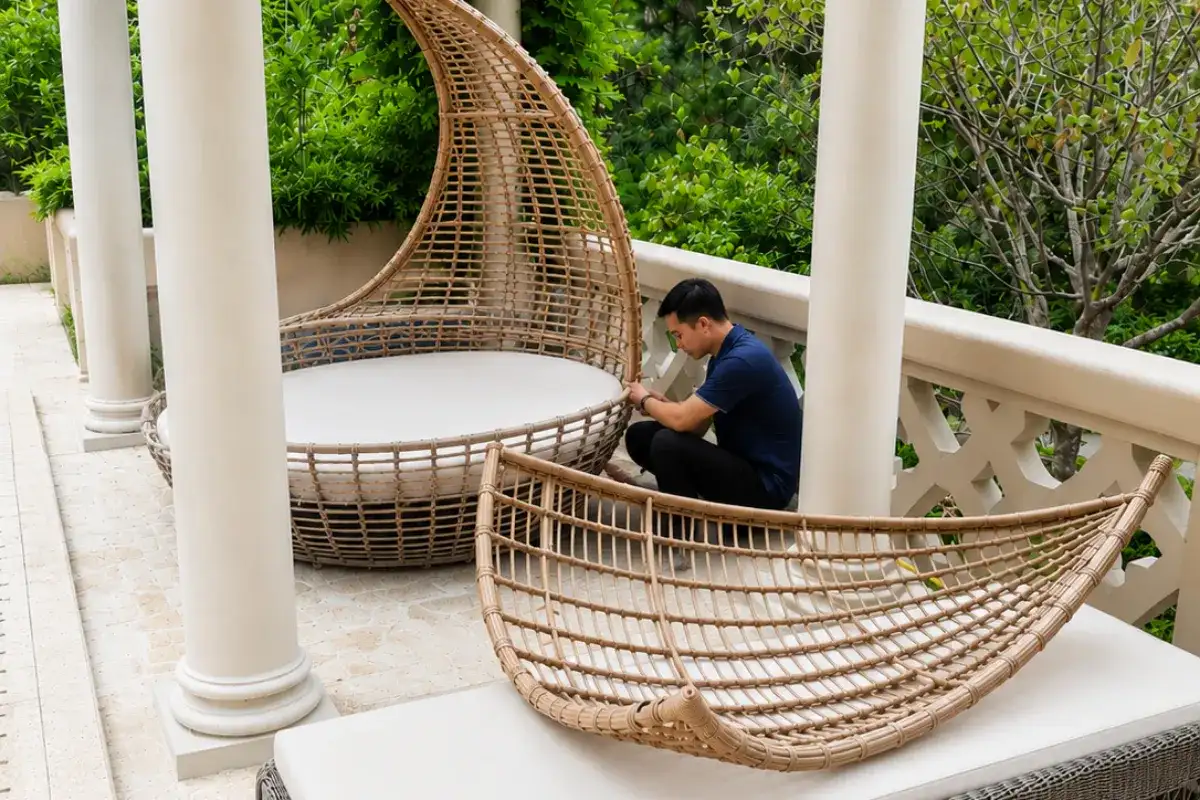
Replacement parts and matching materials should be considered from the beginning.
For projects with long operating cycles, access to replacement components can be almost as important as the initial furniture order.
3. Furniture Categories to Plan by Area
Different areas of a hotel or resort have different functional, environmental, and operational requirements. Instead of selecting one furniture collection for the entire property, hospitality buyers should plan furniture according to each specific area.
3.1 Poolside Furniture
Poolside areas require furniture that can handle frequent exposure to sunlight, moisture, pool water, and regular cleaning. Common choices include sun loungers, daybeds, side tables, umbrellas, and outdoor lounge seating.
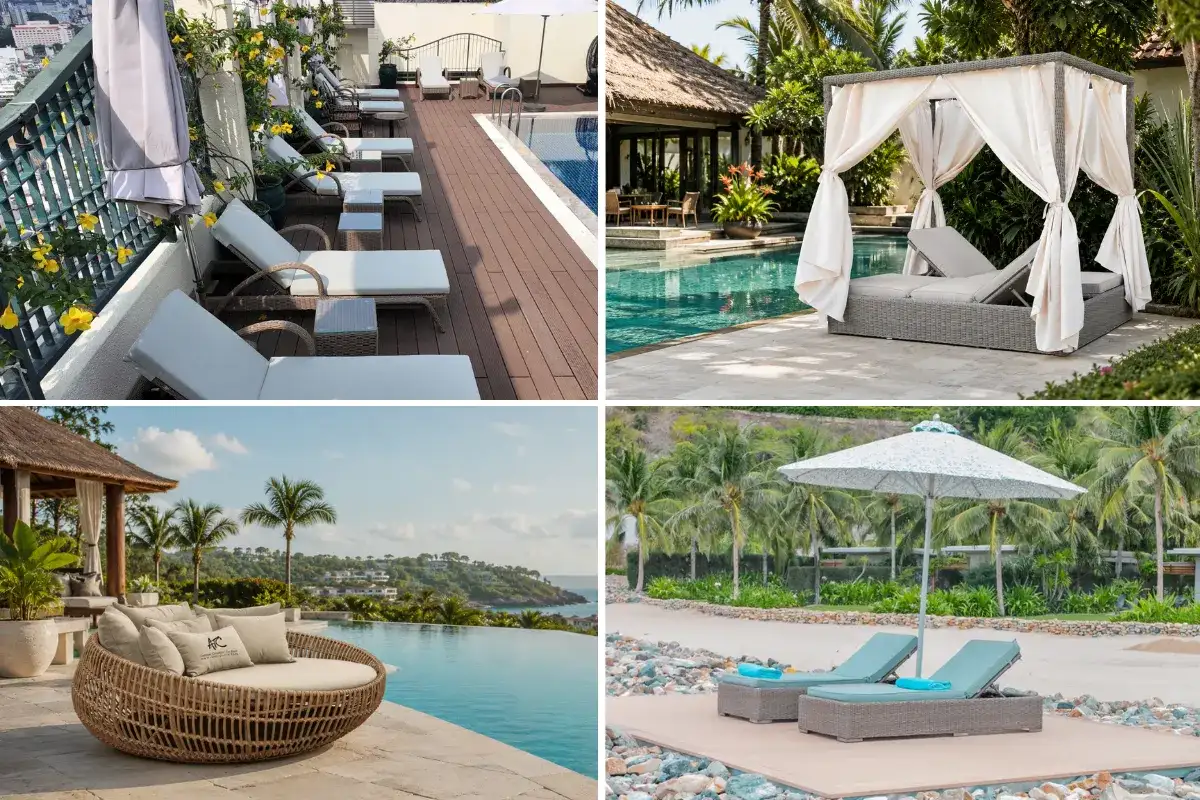
Durable poolside furniture is designed for sun, moisture, and frequent use.
Buyers should pay particular attention to corrosion-resistant frames, outdoor materials, easy-to-clean surfaces, and cushion construction. Furniture should also be easy for hotel staff to move and reorganize when necessary.
3.2 Balcony Furniture
Hotel and resort balconies often have limited usable space, making dimensions and layout particularly important. Compact coffee sets, armchairs, small outdoor tables, and two-seat arrangements can provide comfortable seating without restricting circulation.
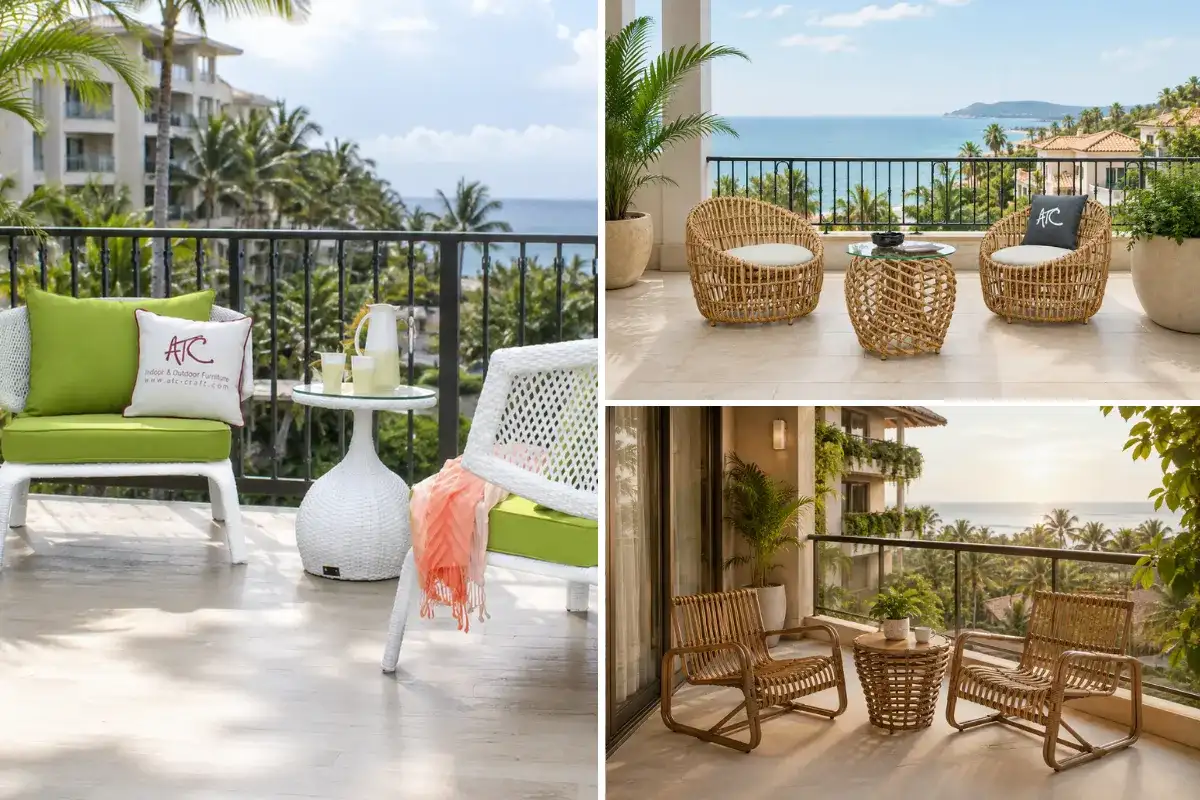
Compact furniture helps maximize comfort and functionality on hotel balconies.
Before ordering, buyers should verify product dimensions against the actual balcony size and consider furniture proportions, guest comfort, weather exposure, and ease of maintenance.
3.3 Terrace and Rooftop Furniture
Terraces and rooftops can serve multiple purposes, from casual lounging and dining to bars and social areas. Furniture may include outdoor sofas, lounge chairs, coffee tables, dining sets, bar tables, and bar chairs.
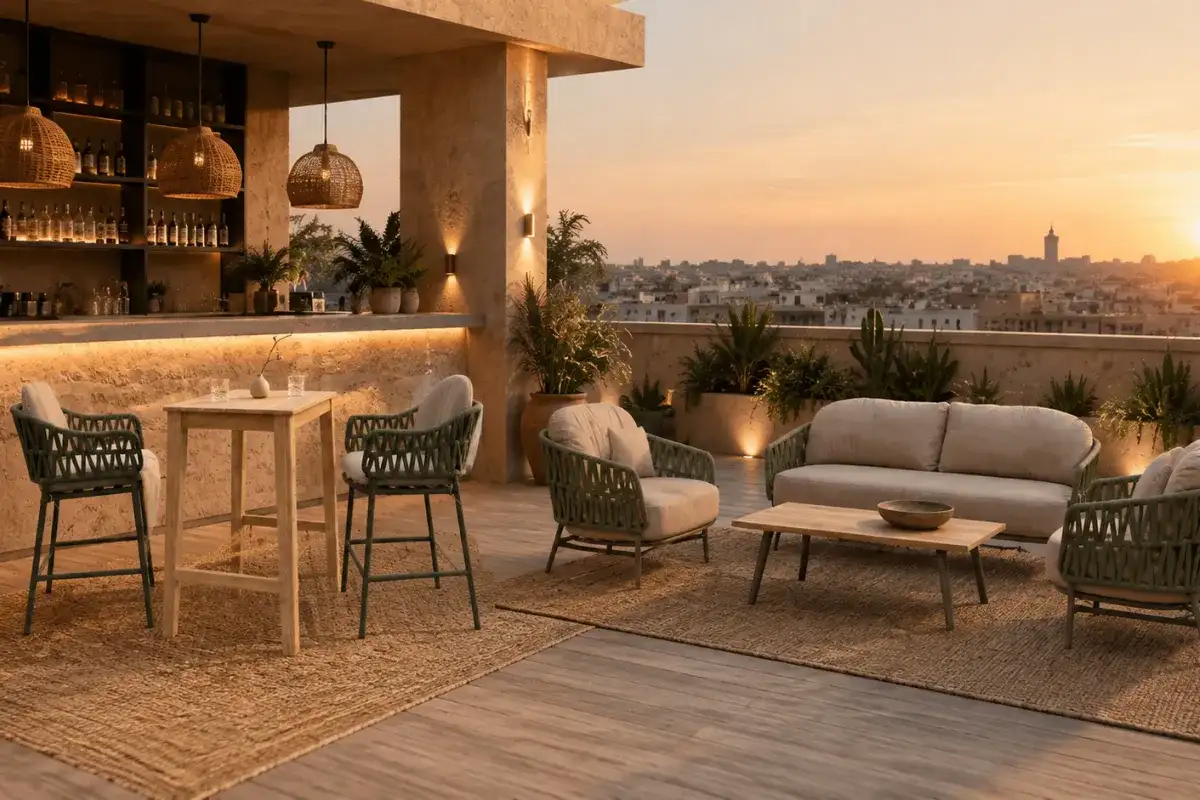
Well-planned rooftop furniture supports both relaxation and social spaces.
Because these areas can experience greater wind and direct sunlight, buyers should consider furniture stability, material durability, layout flexibility, and environmental exposure. Coordinated collections can also help maintain consistent hospitality designs across different functional zones.
3.4 Outdoor Dining Furniture
Outdoor restaurants and dining areas typically require commercial outdoor tables, dining chairs, and supporting furniture designed for frequent daily use.
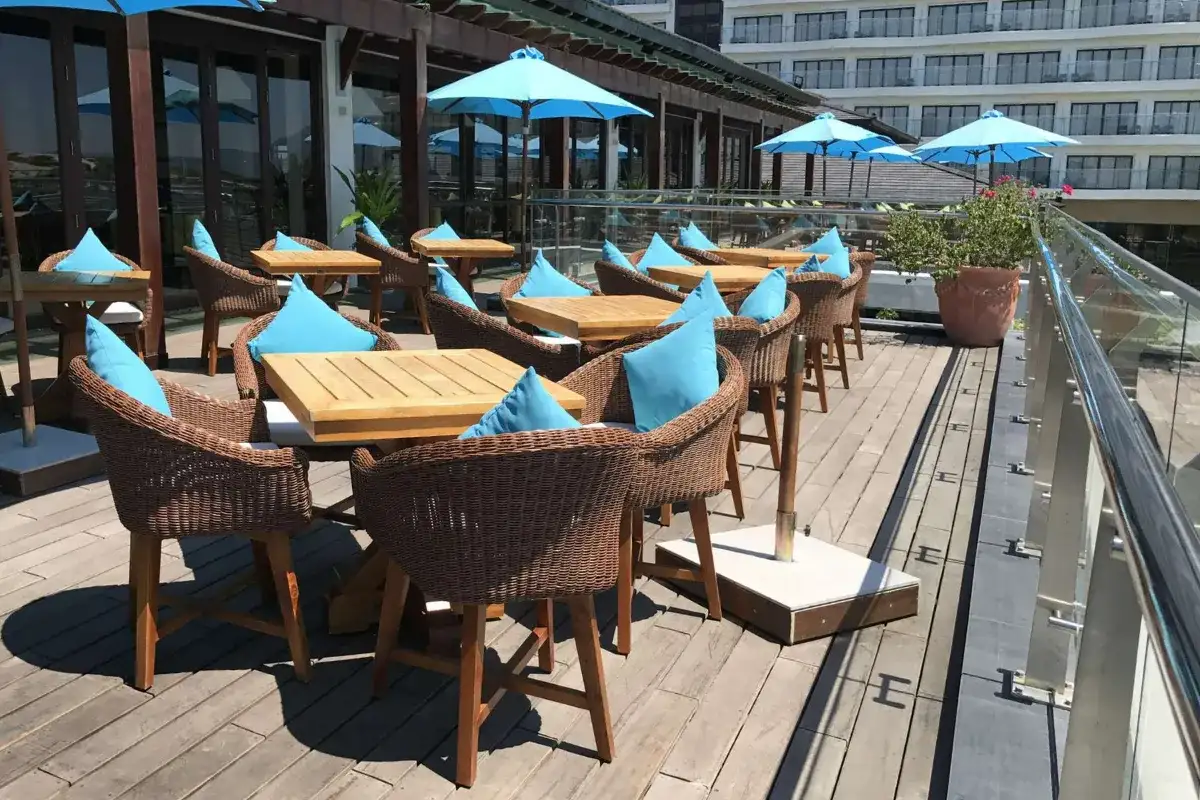
Commercial dining furniture must support frequent use and efficient operation.
Buyers should evaluate table stability, appropriate dining heights, chair ergonomics, surface cleanability, and efficient spacing. For larger dining areas, stackable or easily movable chairs may also help hotel staff reorganize layouts and manage storage more efficiently.
3.5 Outdoor Lounge Furniture
Lounge spaces prioritize comfort and guest experience. Typical products include outdoor sofas, armchairs, modular seating, coffee tables, side tables, and daybeds.
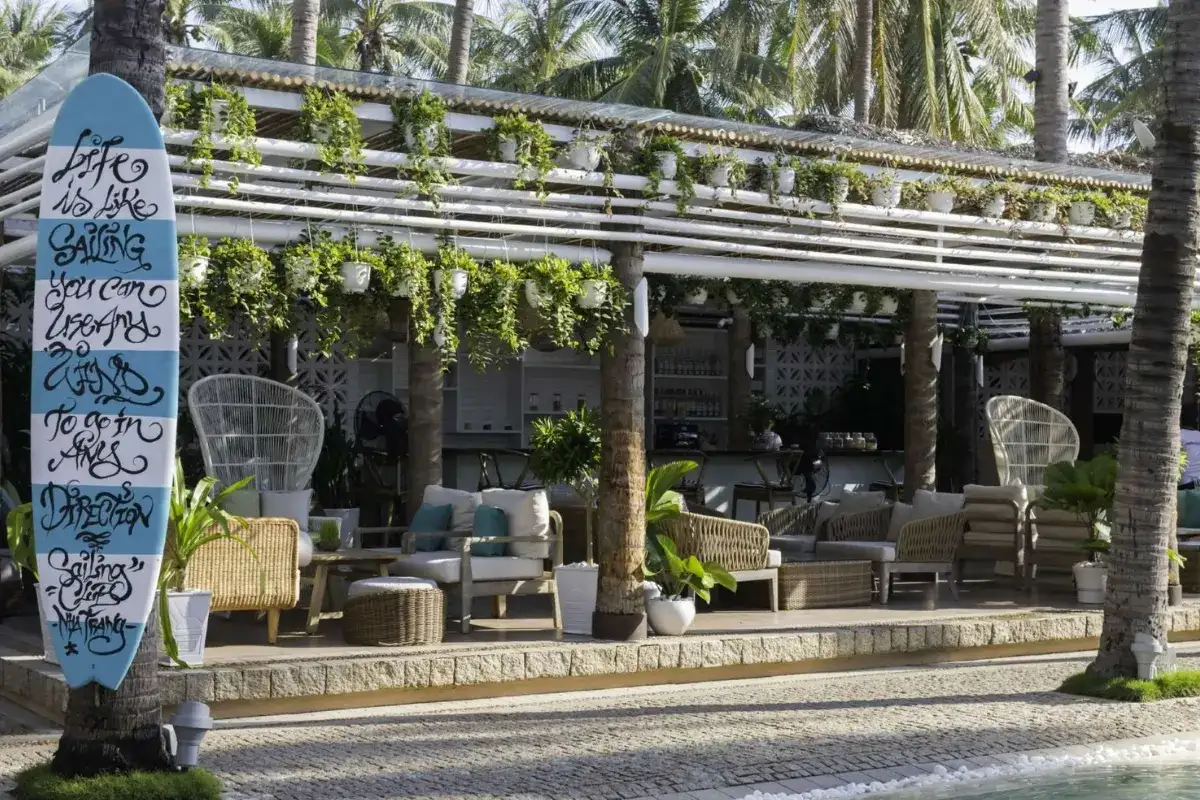
Comfortable lounge seating encourages guests to relax and stay longer outdoors.
Seat depth, backrest angle, cushion thickness, and overall ergonomics should be evaluated alongside durability. For larger projects, using coordinated materials, fabrics, colors, and finishes can create a consistent visual identity throughout the property.
3.6 Outdoor Lobby and Reception Furniture
Outdoor or semi-outdoor lobby and reception areas contribute directly to a guest's first impression of a hotel or resort. Furniture should therefore balance commercial durability with a more refined visual appearance.
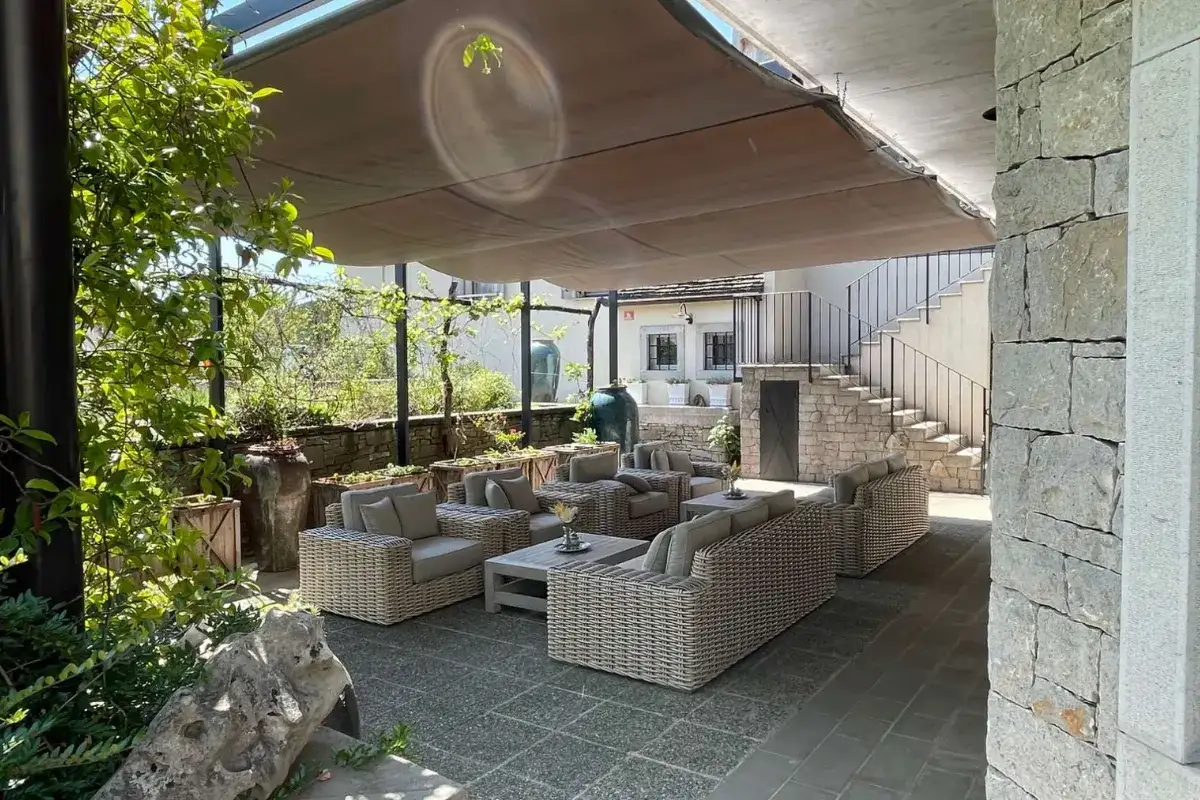
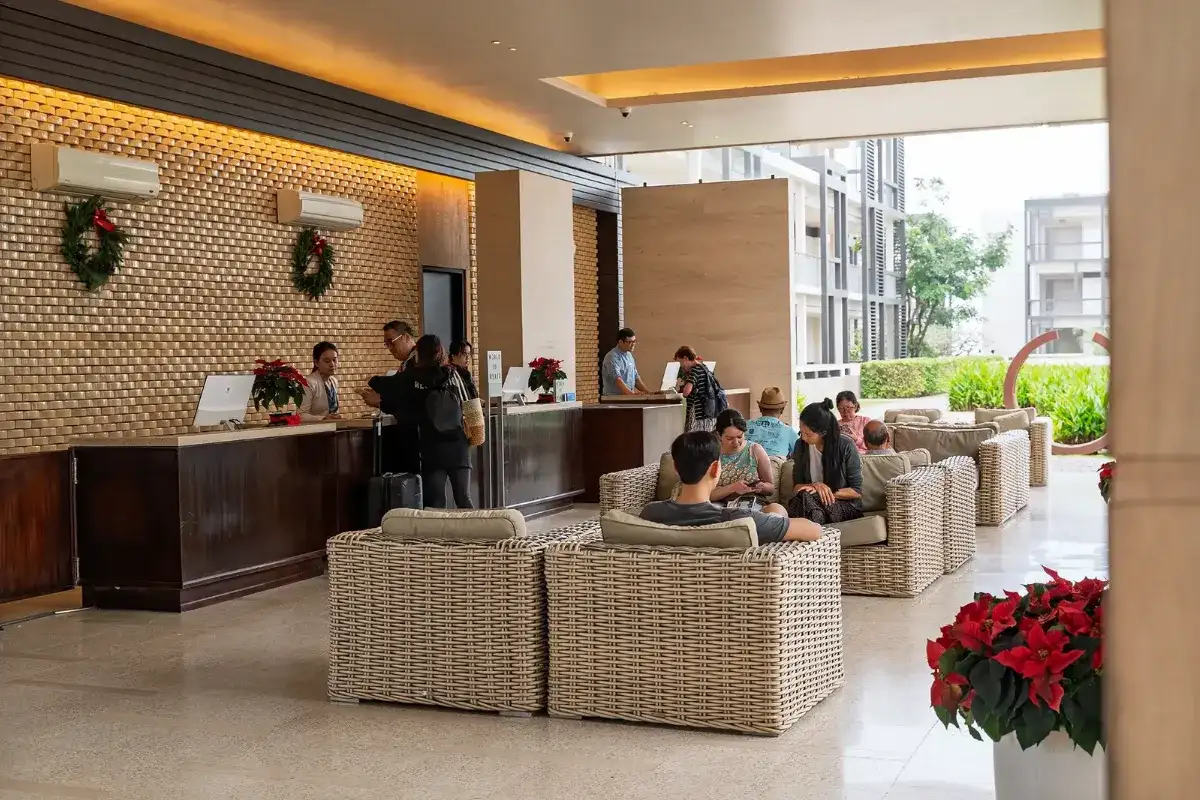
Welcoming outdoor seating helps extend the hotel guest experience beyond the lobby.
Outdoor sofas, lounge chairs, coffee tables, and occasional tables are commonly used to create welcoming seating arrangements. Buyers should select materials and finishes that complement the architecture and overall design concept while remaining practical for frequent guest use and regular cleaning.
4. Material and Maintenance Considerations
Material selection has a direct impact on appearance, durability, maintenance, and total project cost.
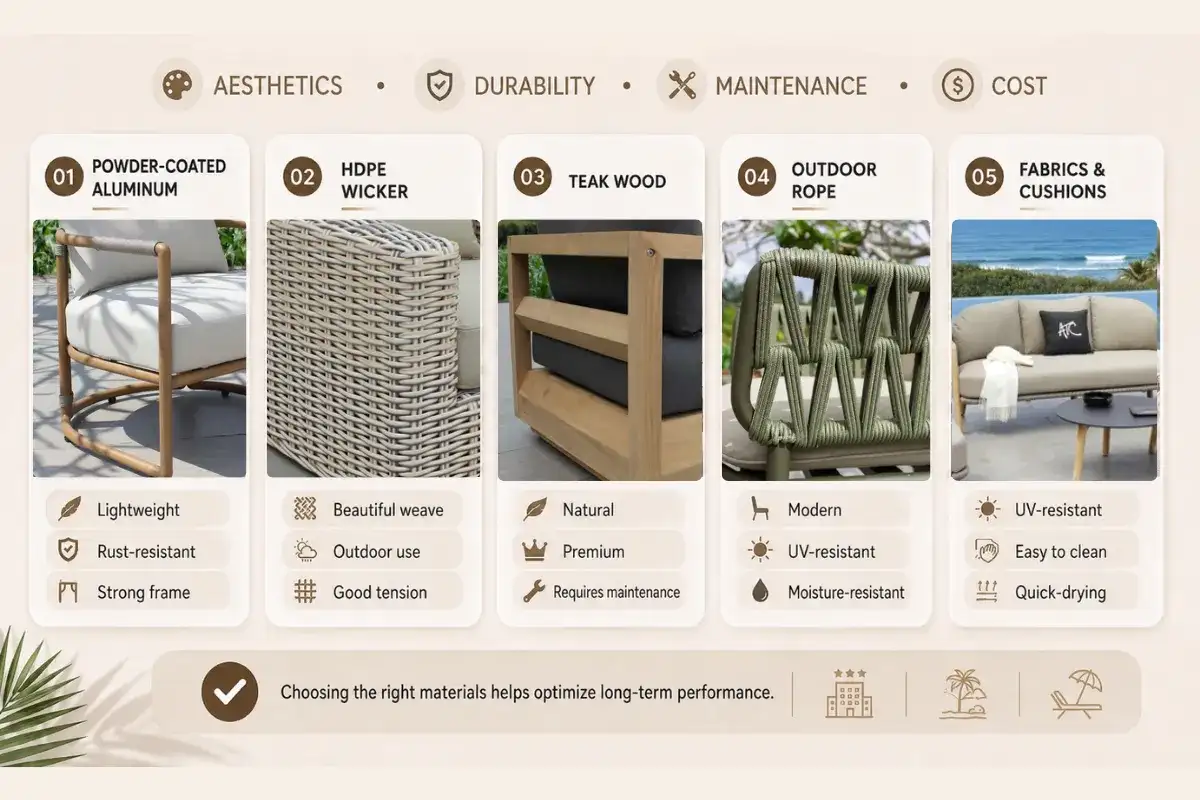
Choosing the right materials helps optimize the lifespan and operating cost of outdoor furniture.
Powder-coated aluminum
Aluminum is commonly used for outdoor furniture frames because it is lightweight and naturally resistant to rust. Powder coating provides additional surface protection and allows different colors and finishes.
For commercial orders, buyers should examine frame construction, tube thickness where relevant, welding quality, surface preparation, and coating consistency.
HDPE synthetic wicker
HDPE wicker is a practical option for buyers seeking woven outdoor furniture. It is available in different profiles, textures, and colors and can be woven around aluminum frames.
Quality should be assessed beyond appearance. Buyers should examine weaving tension, spacing, edge finishing, attachment points, material consistency, and suitability for outdoor exposure.
Teak wood
Teak provides a natural, premium appearance that works particularly well in resorts, hotels, villas, restaurants, and other hospitality environments.
However, buyers need to understand that outdoor teak naturally changes appearance over time. Maintenance requirements should therefore be discussed according to whether the project intends to preserve the original wood tone or allow natural weathering.
Outdoor rope
Rope furniture can provide a lighter and more contemporary appearance than conventional synthetic wicker.
When evaluating rope, buyers should consider fiber quality, UV stability, moisture resistance, weaving tension, and attachment to the frame. The material specification should match the expected outdoor environment.
Fabrics and cushions
Cushions are frequently one of the most maintenance-sensitive parts of heavy duty commercial patio furniture.
Evaluate fabric according to outdoor exposure, UV resistance, water resistance or water repellency, cleanability, color options, and intended application. Buyers should also examine cushion construction, foam, stitching, zippers, and drainage requirements.
For demanding hospitality environments, upgraded outdoor fabrics or quick-dry cushion solutions may be worth considering.
Most importantly, maintenance expectations should be established before purchasing. A premium material is not automatically maintenance-free.
5. Supplier Questions for Project Orders
Selecting the right product is only part of the procurement process. Buyers should also evaluate whether the supplier has sufficient manufacturing capacity, commercial project experience, and quality control systems to deliver consistent products at the required quantity.
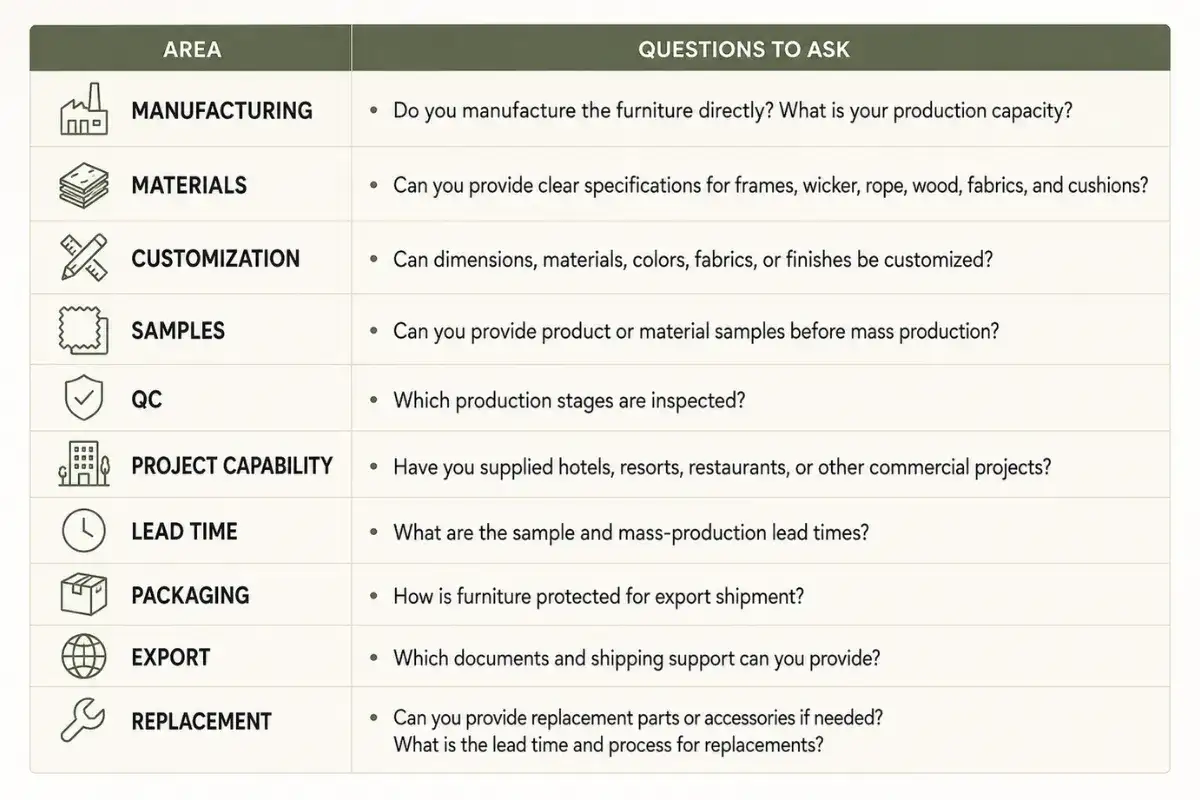
Essential questions to ask when evaluating an outdoor furniture supplier for hospitality projects.
Before ordering, confirm key factors such as material specifications, customization options, samples, production lead times, QC procedures, export packaging, shipping support, and the availability of replacement cushions or components.
For hotel furniture supply, communication is also important. Reliable suppliers should provide clear production updates so buyers can coordinate shipping, installation, and project schedules.
For customized projects, suppliers offering OEM or ODM services can adapt dimensions, colors, materials, fabrics, and finishes. All customized specifications should be confirmed in writing or through approved samples before mass production.
6. ATC Furniture Project and Factory Capabilities
For buyers searching for hotel furniture supplies from Vietnam, ATC Furniture provides outdoor and indoor furniture solutions for B2B and hospitality applications.
Established in 2006, ATC Furniture operates a manufacturing facility of approximately 30,000 square meters in Vietnam, with production supported by quality control and product development teams.
Our outdoor product portfolio includes:
- Outdoor sofa sets and lounge furniture
- Dining tables and chairs
- Sun loungers
- Daybeds
- Swing chairs
- Coffee sets
- Bar furniture
- Outdoor tables
- Other furniture for hospitality and residential projects
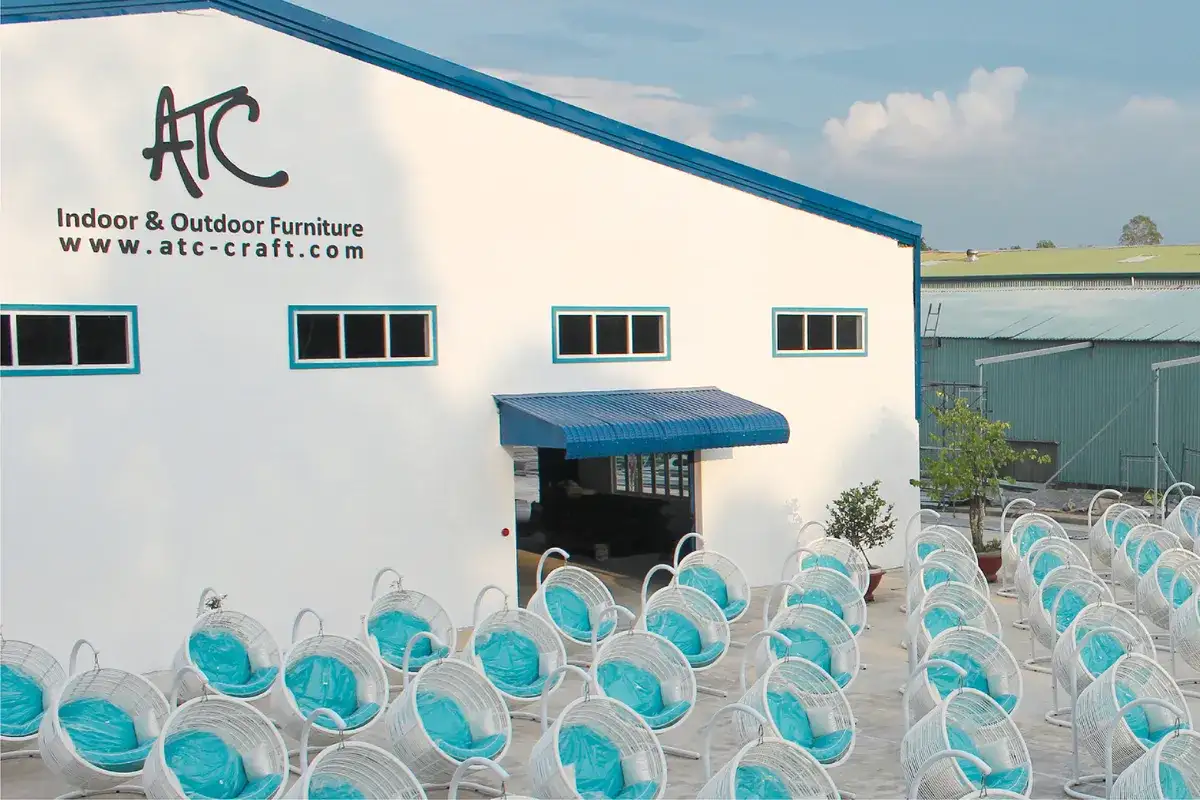
ATC Furniture manufacturing capability supports hospitality and commercial outdoor furniture projects.
Depending on the collection and project requirements, materials can include powder-coated aluminum, HDPE synthetic wicker, outdoor rope, teak wood, and outdoor fabrics.
ATC Furniture also supports OEM and ODM development, allowing B2B buyers to customize elements such as dimensions, colors, materials, weaving options, fabrics, and other product details according to project requirements.
Quality control is incorporated throughout major production stages, including raw-material inspection, frame fabrication, surface finishing, weaving, assembly, cushions, final product inspection, and packaging before shipment.
For international buyers, project support can also include material samples, production updates, export-standard packaging, documentation, and international shipping coordination.
These capabilities are particularly relevant for buyers who need more than individual products and are instead looking for a manufacturing partner capable of supporting coordinated furniture collections for hotels, resorts, restaurants, villas, apartments, and other commercial developments.
7. Frequently Asked Questions About Commercial Patio Furniture
7.1 What should hotels look for when buying commercial patio furniture?
Hotels should evaluate durability, comfort, material quality, maintenance requirements, outdoor exposure, supplier capability, quality control, and replacement availability. Buyers should also consider long-term operating costs rather than choosing furniture based only on the initial price.
7.2 What materials are best for commercial outdoor furniture?
Common materials include powder-coated aluminum, HDPE synthetic wicker, teak wood, outdoor rope, and weather-resistant fabrics. The best choice depends on the climate, usage frequency, maintenance requirements, and exposure to UV, rain, humidity, pool water, or coastal conditions.
7.3 What should buyers ask a commercial outdoor furniture supplier before ordering?
Buyers should confirm manufacturing capacity, material specifications, customization options, samples, quality-control procedures, production lead times, packaging, export experience, and replacement support. For large hotel and resort projects, requesting samples before mass production is also highly recommended.