How to Fix a Wobbly Table and Loose Table Legs at Home
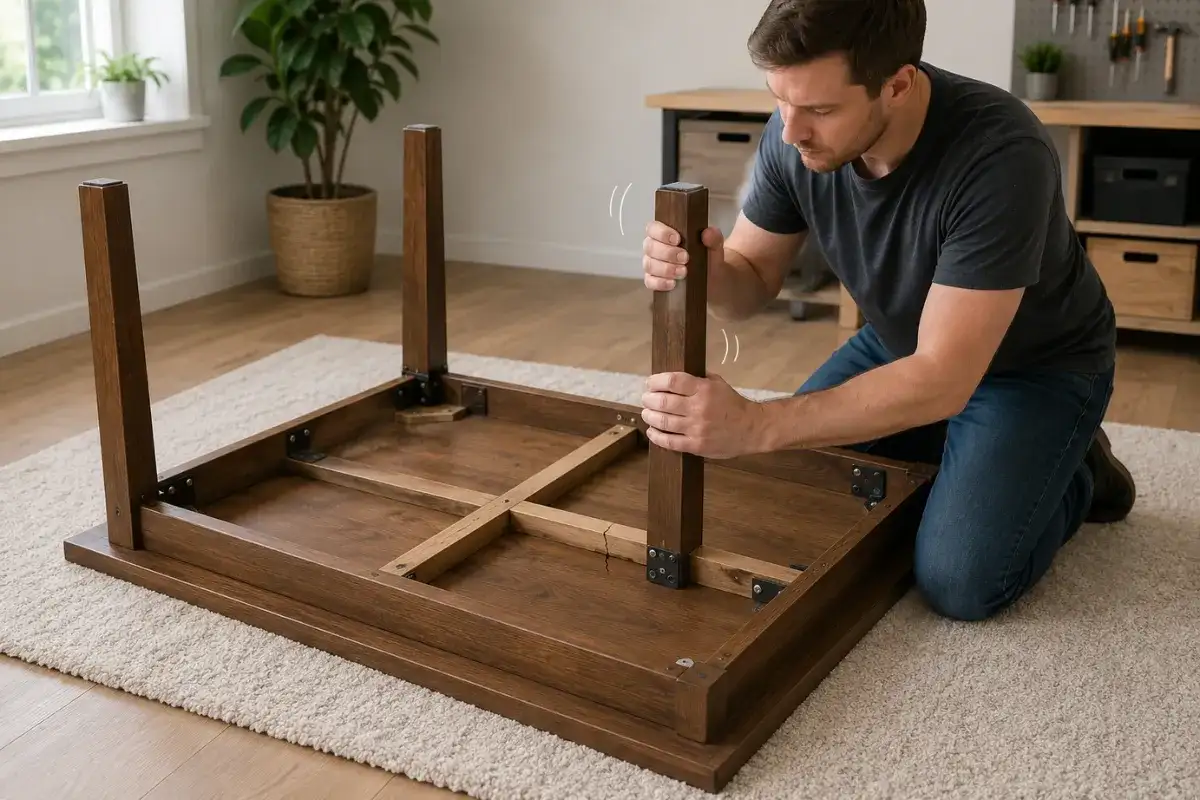
During furniture arrangement and everyday use, a wobbly table or loose table legs are very common issues, whether it is a work desk, a family dining table, or a resort coffee table. This problem not only causes inconvenience and reduces concentration while working, but over time, it can also weaken the structure and shorten the product’s lifespan. Understanding the root causes and knowing the right repair techniques at home will help you quickly restore stability and balance to the tabletop in the most effective and cost-saving way.
1. Common Causes of a Wobbly and Unbalanced Table
To choose the correct repair method, the first step is to identify the source of the structural problem. In most cases, a table loses its original stability due to the following four main causes:
1.1. Uneven Table Leg Heights
This is the most common reason why a table becomes uneven. For tables made from natural wood or engineered wood, sudden changes in temperature and environmental humidity, especially in Vietnam’s hot and humid climate, can cause the wood grain to shrink, expand, or warp unevenly. For outdoor furniture placed in gardens or balconies, this effect becomes even stronger, leading to a situation where one of the four table legs becomes shorter than the others.
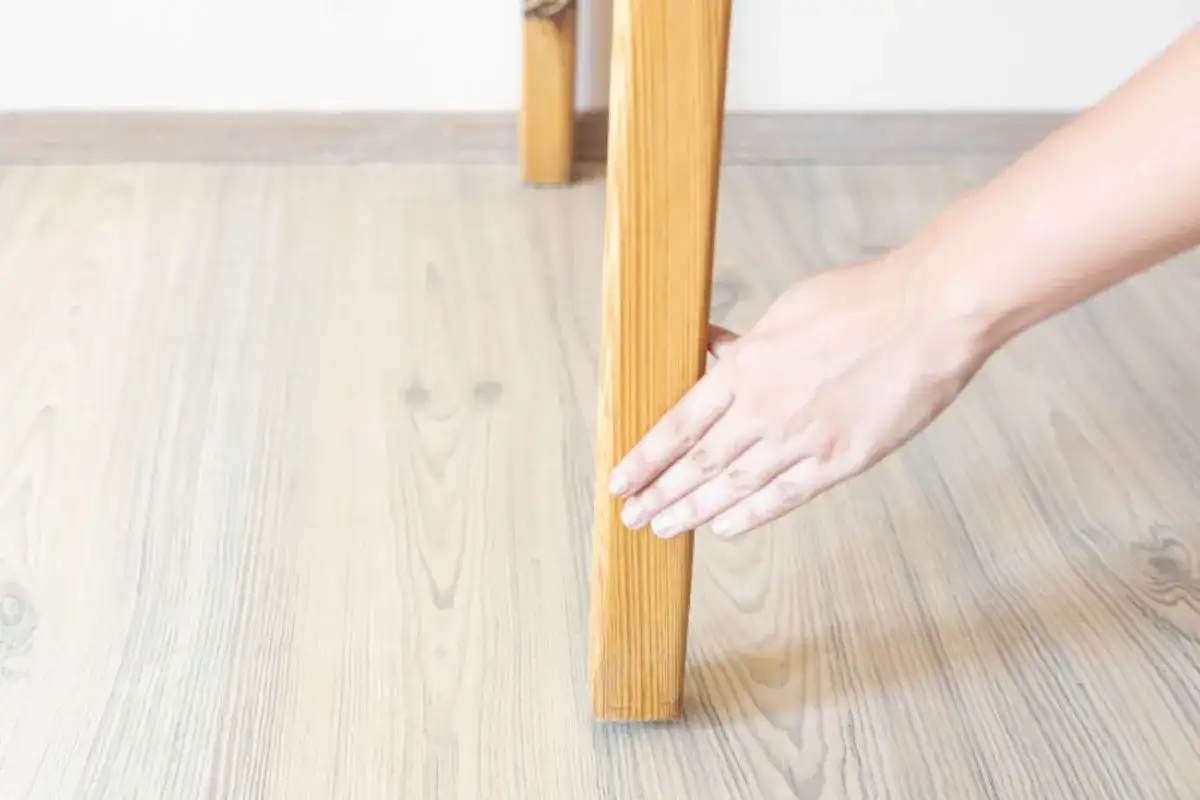
Uneven table legs are a common cause of wobbling, especially as wood expands or contracts with temperature and humidity changes over time. (Source: internet)
1.2. Uneven Floor Surface
Sometimes the frame and table legs are perfectly proportioned, but the table still wobbles because the floor surface has a slight slope or unevenness. This issue often appears in older buildings with foundation settlement, or in areas where tile or wood flooring installation did not achieve complete flatness. Because this problem is related to the rough construction structure, renovating the floor can be expensive and complicated, so users often choose to adjust the table legs directly instead.
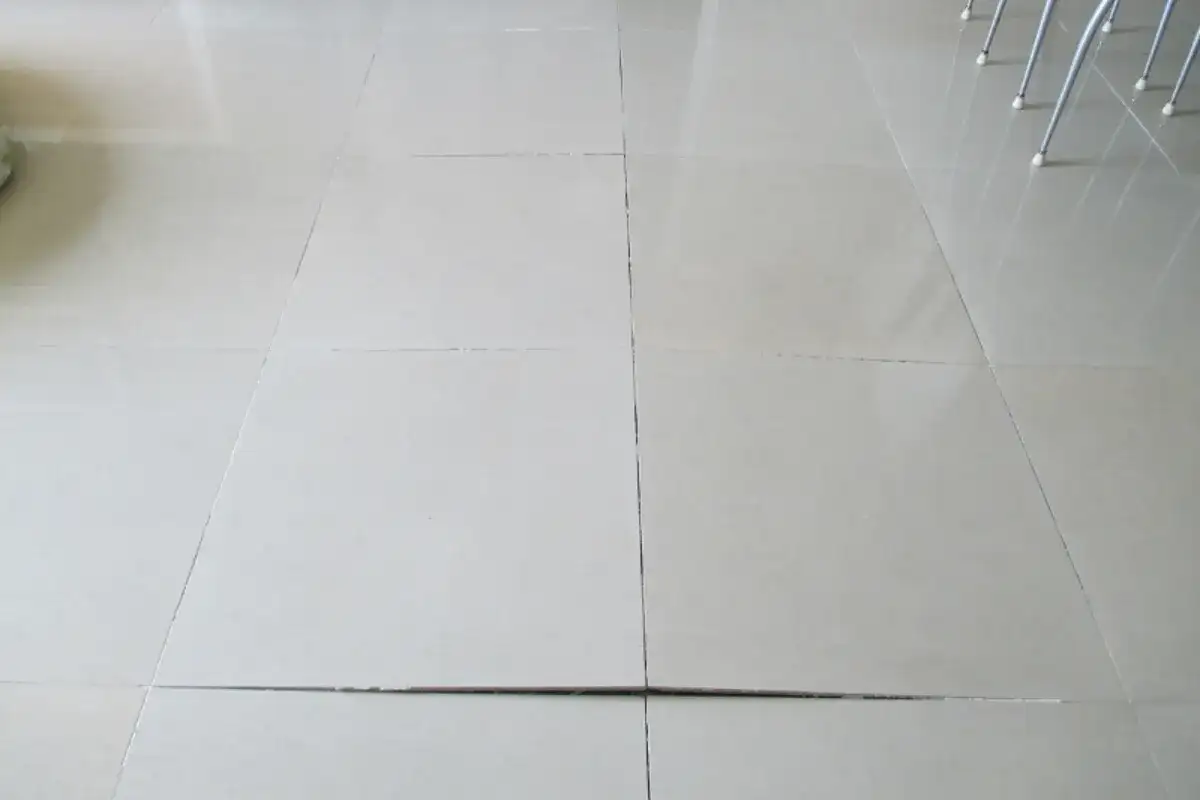
An uneven floor can make a table wobble even when its frame and legs are well made, especially in older spaces or areas with imperfect tile installation. (Source: internet)
1.3. Loose Screws Caused by Movement
Throughout the usage cycle, uneven pressure, dragging the table, or carelessly moving it from one area to another creates significant stress on the screw connection system. Over time, the screw threads gradually loosen, causing the table legs to wobble and slightly separate from the supporting frame beneath the tabletop.
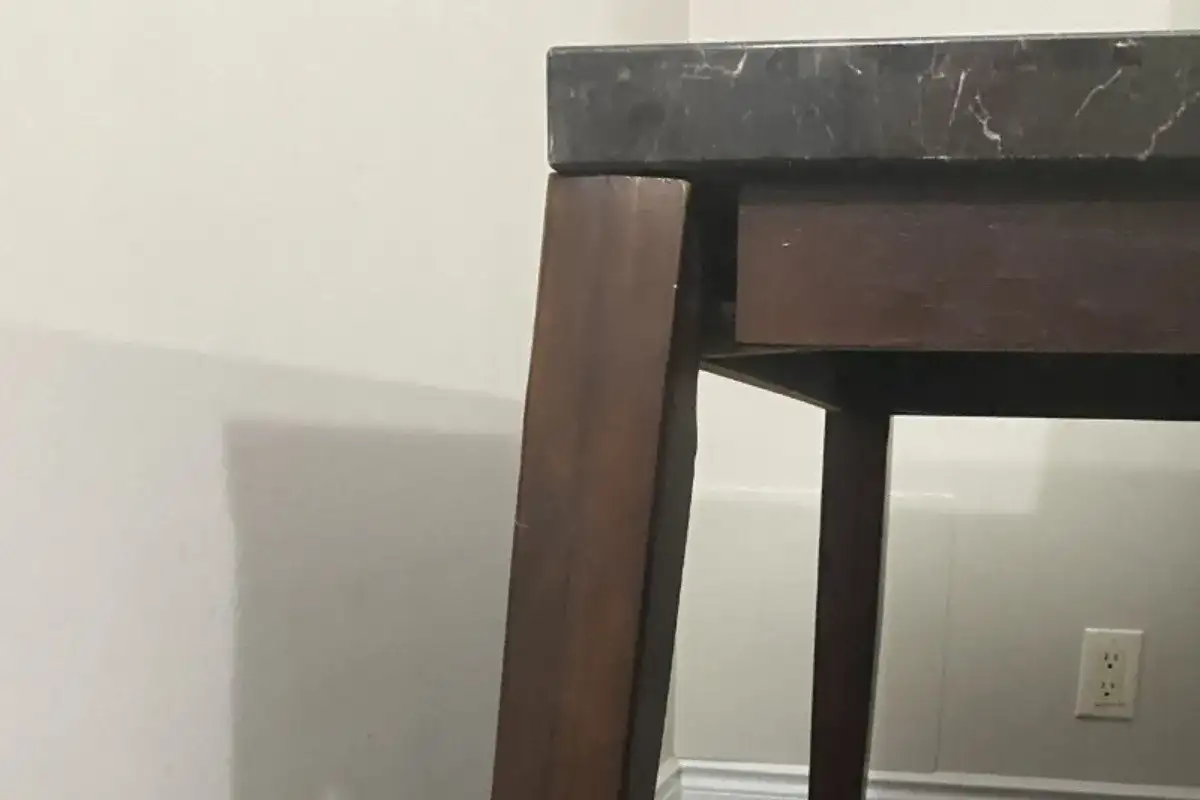
Loose screws can weaken the connection between the table leg and frame, making the table shake after repeated movement or uneven pressure during use. (Source: internet)
1.4. Degraded or Rusted Structural Joints
For tables with metal frames, humid weather or long-term exposure to rainwater can make welded joints brittle and cause screws to rust or corrode. When the joints no longer provide strong enough connection, the entire load-bearing system of the table becomes weaker, creating greater movement whenever force is applied to the tabletop.
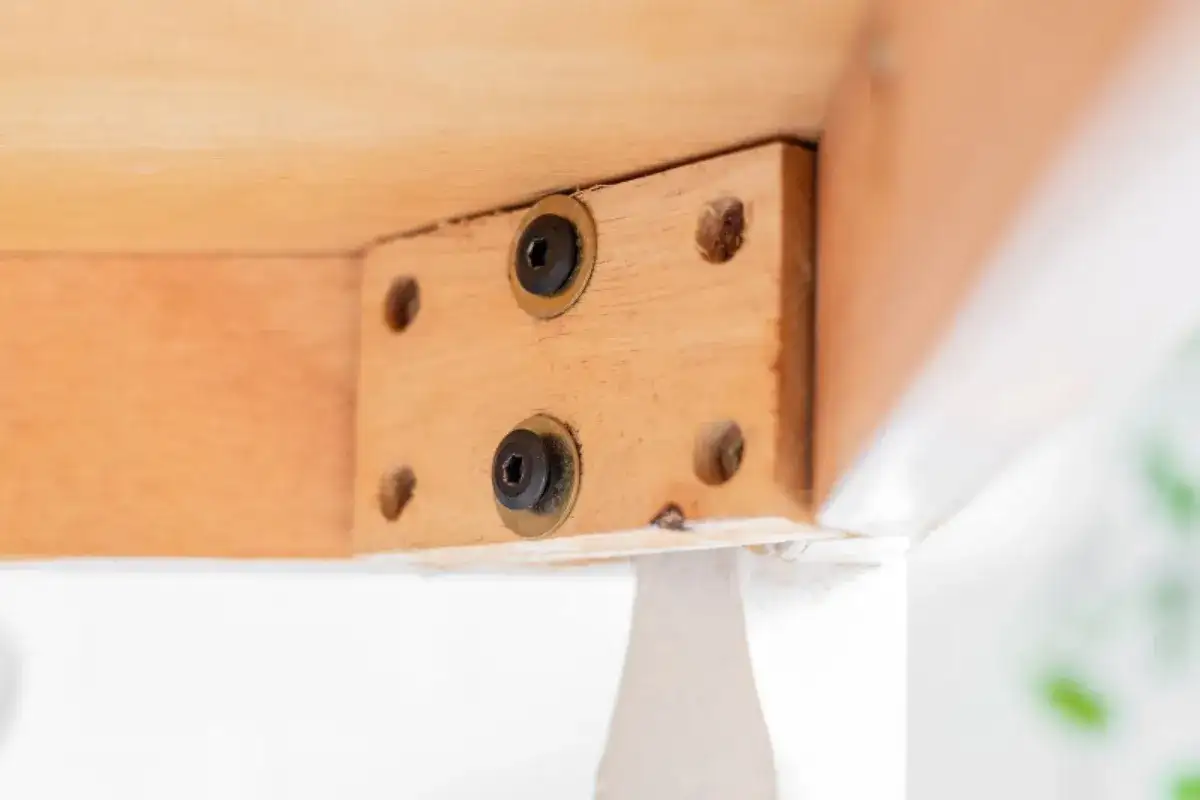
When joints, screws, or connection points become weak over time, the table frame can lose stability and create noticeable shaking during use. (Source: internet)
2. Step-by-Step Process to Fix Loose Table Legs Effectively
Before applying quick repair tips, you should conduct a full inspection to locate the exact loose area.
2.1. Identify the Structural Weak Point
Clear all items from the tabletop, then turn the table upside down on a soft rug to avoid scratching the surface. Gently shake each table leg to check whether the looseness comes from the joint, the screws, or cracks in the material itself.
Checking each leg and joint helps identify whether wobbling comes from loose screws, weak connections, or damaged material before repair. (Source: internet)
2.2. Tighten the Fixed Screw System
Use a screwdriver or Allen key that matches the table’s screw type to tighten all connection points. When working, apply even and firm pressure. If you notice that the screw threads are stripped and no longer grip properly, the best solution is to replace the screw with one that has a slightly larger diameter, or add an extra screw next to the original position to increase load-bearing support.
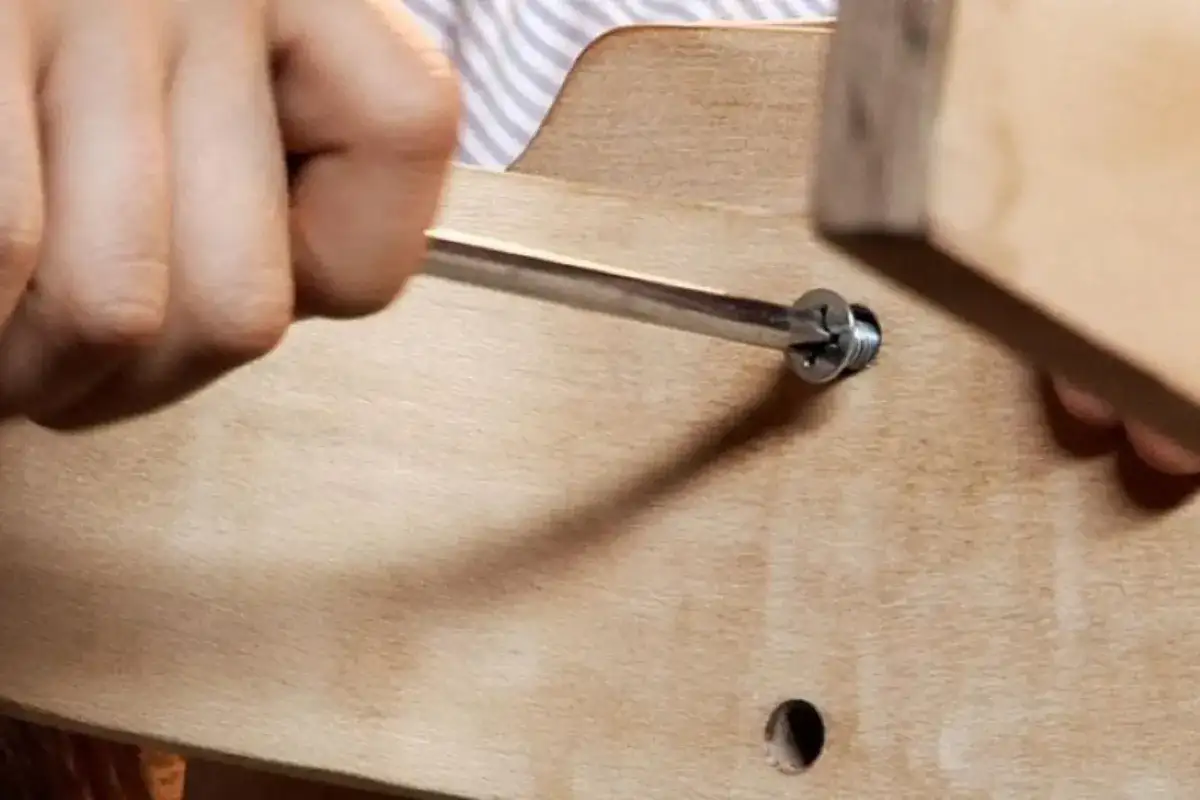
Tightening the screws at each connection point helps restore the table’s stability and reduce wobbling caused by loosened joints over time. (Source: internet)
2.3. Reinforce with L-Shaped Metal Brackets
For wooden tables that wobble strongly at the right angle between the legs and the apron frame, tightening screws alone may not fully restore the structure. In this case, you should install additional L-shaped metal corner brackets at the hidden corners under the tabletop. This reinforcement helps distribute vertical pulling force and horizontal pressure more evenly, securing the weak points firmly.
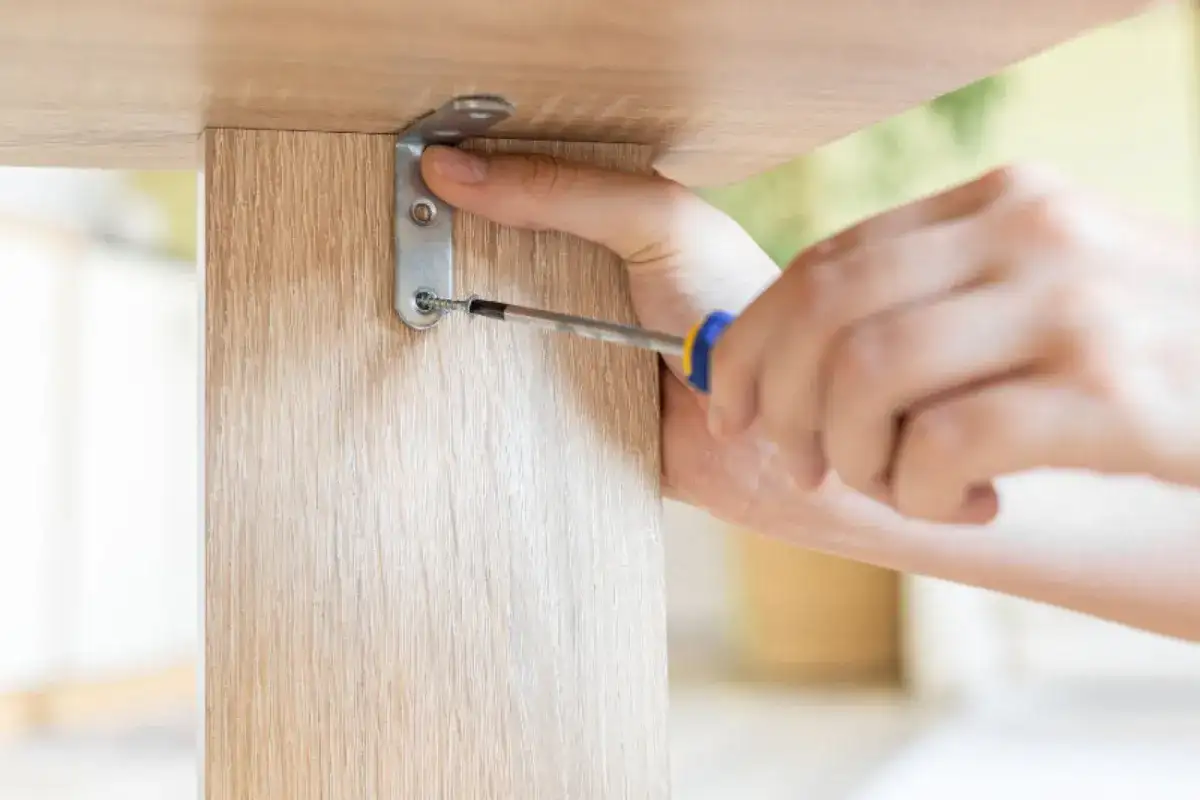
Adding an L-shaped corner bracket helps reinforce weak joints between the table leg and frame, improving stability and reducing wobbling during use. (Source: internet)
2.4. Replace Overly Worn Components
If the washers, wooden dowels, or rubber feet under the table base are worn out, rotten, or flattened, remove them and replace them with new parts. These small components are easy to find at hardware stores, yet they can greatly improve the shape, stability, and balance of the table.
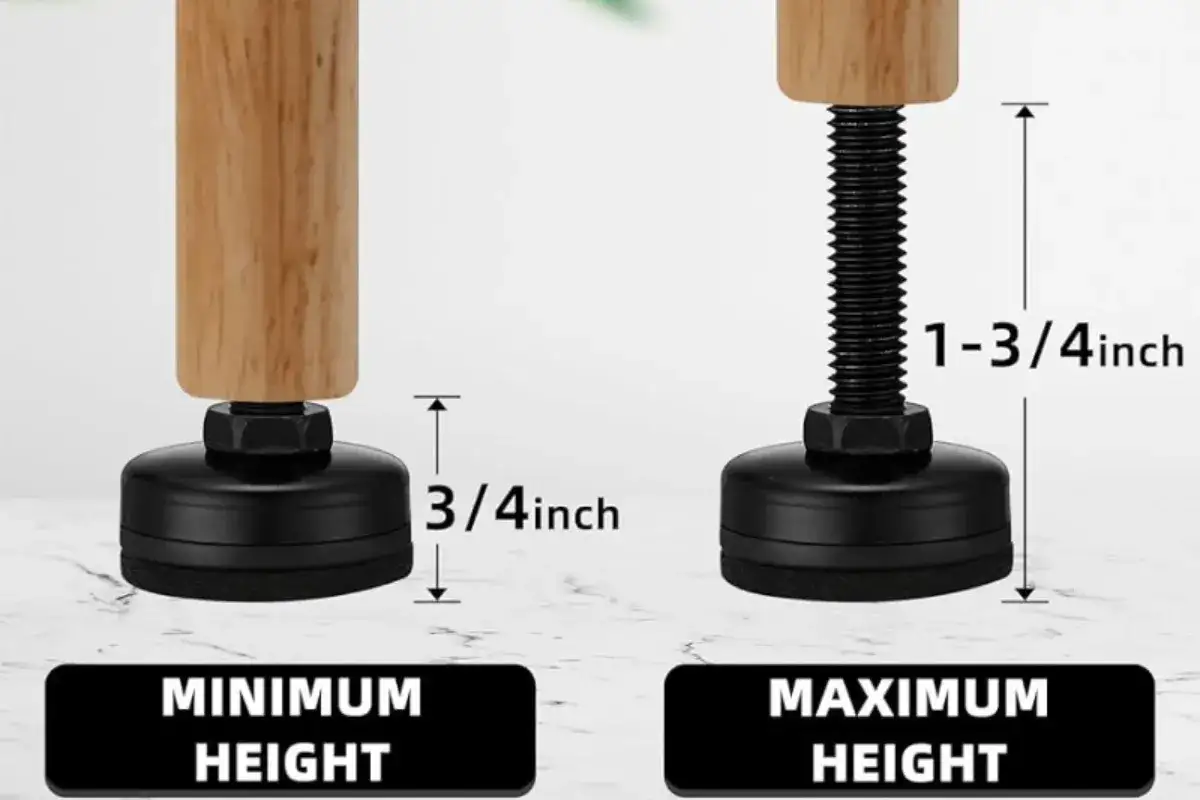
Replacing worn feet with adjustable levelers helps balance uneven table legs and restore stability without changing the main structure. (Source: internet)
3. 4 Quick Tips to Fix a Wobbly Table at Home
If you have already tightened the screws but the table still rocks due to uneven leg height or an uneven floor, apply the following four practical tips:
3.1. Add Rubber Pads or Adjustable Leveling Feet
The simplest way to fix uneven table legs is to insert material into the gap under the shorter leg. Instead of using folded paper, which easily becomes soft, damaged, and unattractive, you should use load-bearing rubber pads or install adjustable leveling feet. Adjustable feet allow you to raise or lower the table height by a few millimeters, helping the table stay level on uneven surfaces.
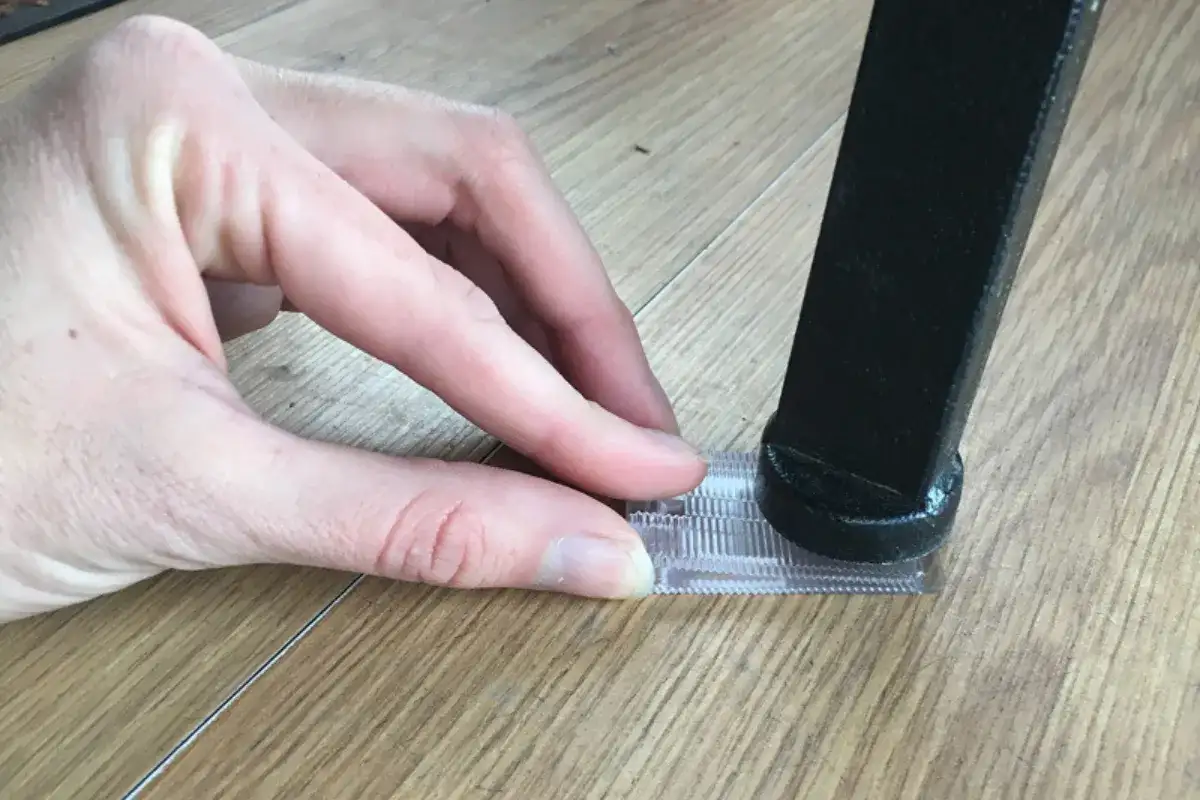
Using a support pad under the table leg is a simple way to correct uneven height, helping the table stay balanced and steady on irregular flooring. (Source: internet)
3.2. Use Specialized Wood Glue for Mortise and Tenon Joints
If your wooden table uses traditional mortise and tenon joinery and the joints have become loose, use specialized wood glue, such as Titebond or AB glue. Carefully clean wood dust from the joint gap, apply a suitable amount of glue into the connection, and press the joint tightly together. Hold the joint in place with a clamp for about 2 to 4 hours until the glue dries completely, creating a durable bond and eliminating creaking sounds during use.
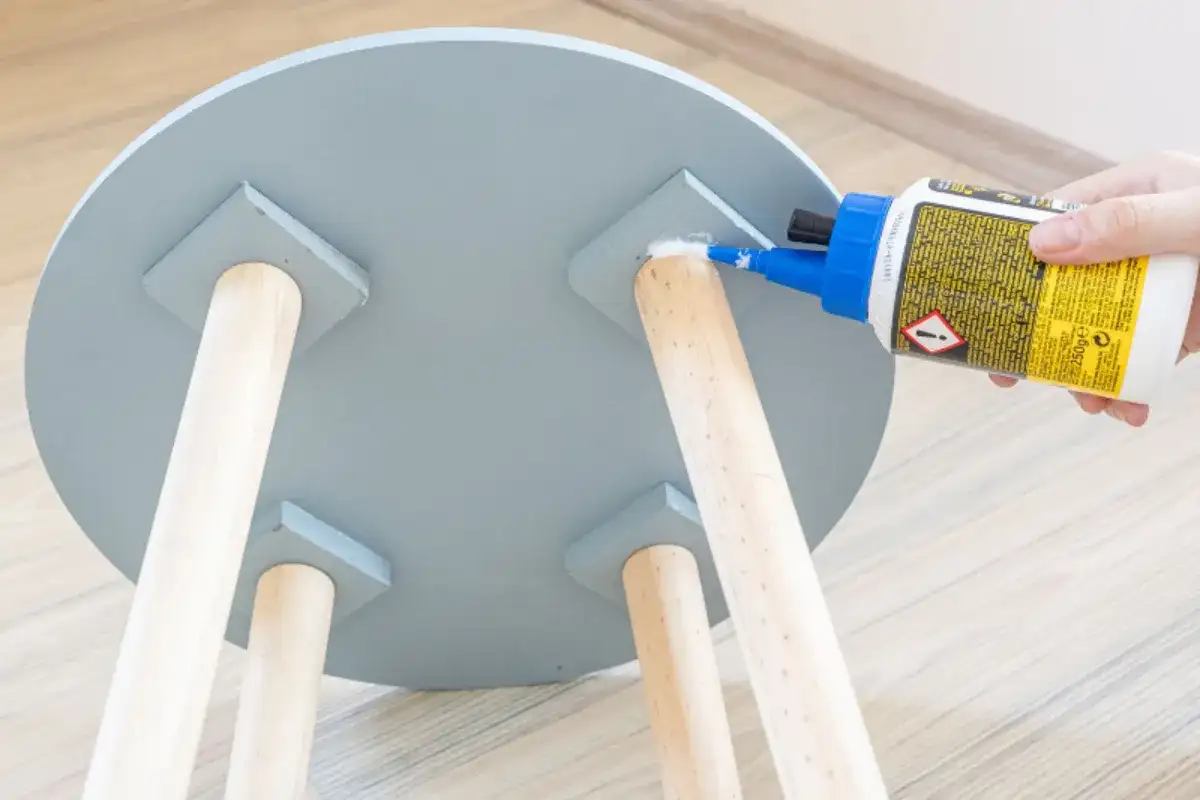
Applying wood glue to loose joints helps strengthen the table, reduce creaking, and restore a firmer connection between the legs and tabletop. (Source: internet)
3.3. Use Temporary Weight for Added Stability
In situations where you need to use a folding table for work or an event and the table only wobbles slightly, you can place heavy objects, such as a stack of books or a storage box, on the supporting frame or on the raised corner of the table. The extra weight will press the table legs more firmly against the floor surface and reduce vibration. However, this is only a temporary solution and should not be overused, as it takes up working space on the tabletop.
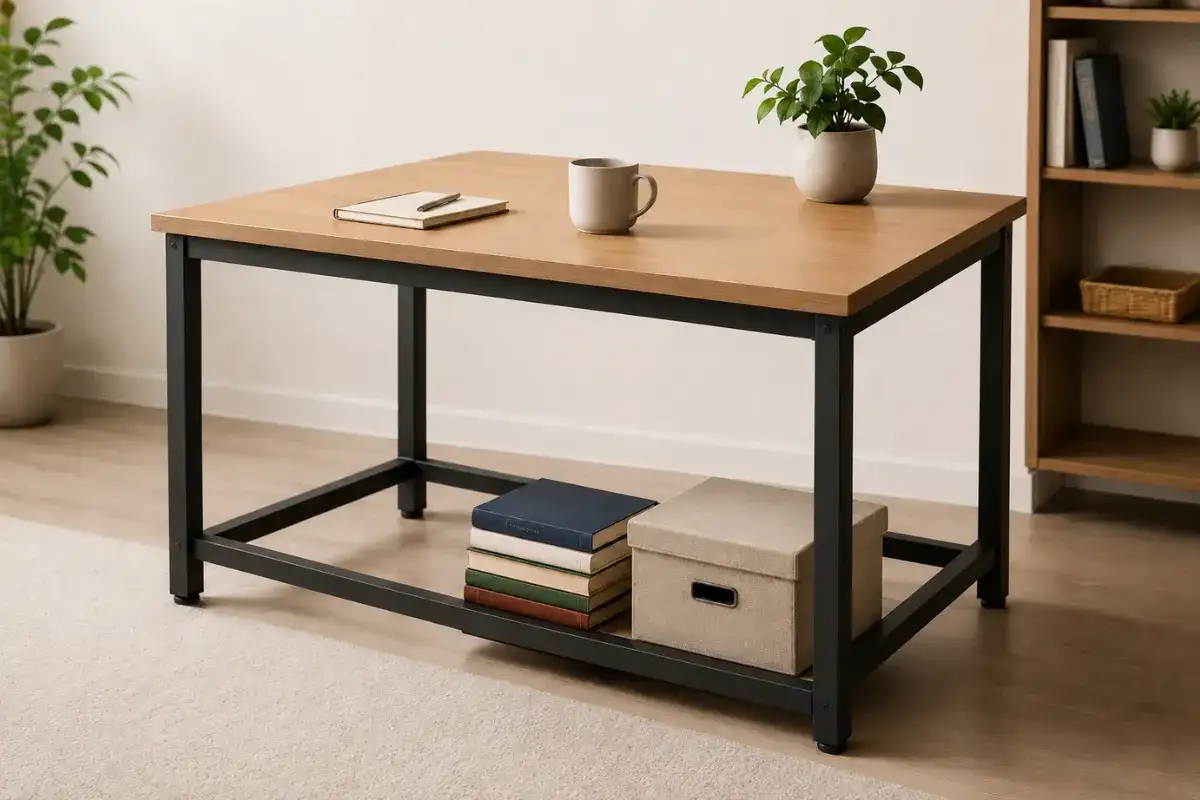
Placing heavier items on the lower frame can temporarily reduce light table wobbling, but it should only be used as a short-term solution before proper repair. (Source: internet)
3.4. Measure and Trim the Longer Table Leg
If you determine that the table wobbles because one leg is longer than the others, you can fix it by trimming the excess length. Place the table on a flat surface, measure carefully, and mark the extra section on the longer leg with a pencil. Use a handsaw to cut carefully along a straight line, then smooth the cut edge with sandpaper to prevent it from scratching the floor. This method requires precision because cutting unevenly or removing too much material can make the table structure even more unbalanced.
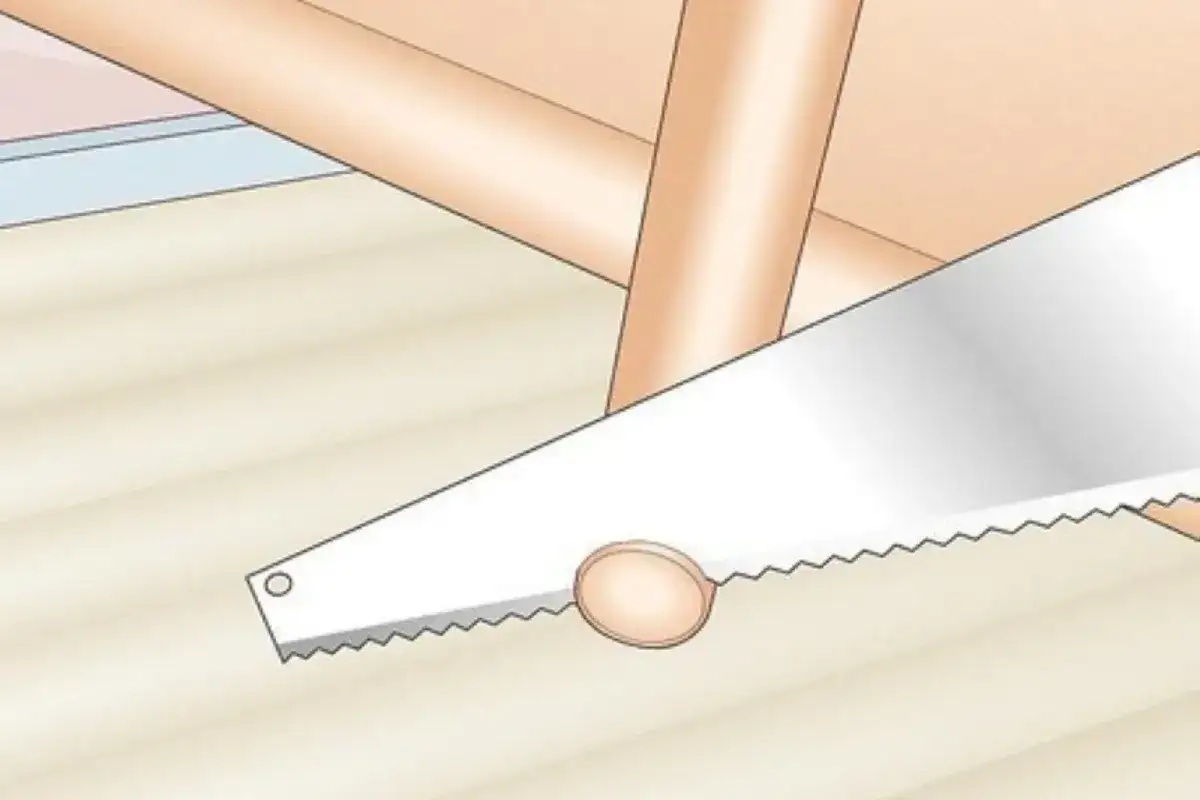
Trimming the longer table leg can fix wobbling from uneven height, but it requires precise measuring to avoid making the table more unstable. (Source: internet)
4. Conclusion
A wobbly table is not only frustrating to use, but it can also increase the risk of items, equipment, or devices placed on top falling and breaking. Proactive inspection and timely repair will help protect the wooden table structure and maintain durability over time.
To avoid technical problems from the beginning, choosing furniture products from reputable brands is the smartest investment. At ATC Furniture, outdoor dining tables and coffee tables are crafted with sturdy powder-coated aluminum frames, combined with glass tops, teak wood, or specialized materials depending on each model. Thanks to stable construction, thoughtful design, and careful finishing, the products always provide a solid, durable, and elegant solution suitable for a wide range of outdoor spaces.
5. Frequently Asked Questions
5.1. Why does a work desk become wobbly after a period of use even if it is not moved often?
This issue is mostly caused by changes in weather and air humidity, which make wooden materials shrink and loosen the screw threads connecting the legs to the tabletop. In addition, repeated daily activities such as typing, leaning on the desk, or placing heavy objects unevenly on one side also create continuous vibration. Over time, these small movements gradually loosen the fixed screw system underneath.
5.2. How can I tell whether a table is wobbling because of structural damage or an uneven floor?
Move the table to another area that is known to be completely flat, such as a newly installed granite tile floor in the living room. If the table still wobbles in the new location, the cause is most likely uneven table leg height or loose joints. On the other hand, if the table becomes stable in the new position, the problem lies in the floor flatness at the original location.
5.3. Can wood glue fix loose iron table legs?
Regular wood glue, such as white glue or Titebond, has no effect on metal surfaces. For an iron frame table with loose joints, you need to use specialized metal bonding adhesive, such as two-part epoxy AB metal glue, or take the table to a metalworking workshop so a technician can reinforce the welded joints for better load-bearing safety.
5.4. Does placing paper under an uneven table leg cause any long-term problems?
Using paper or cardboard is only a temporary fix because paper easily becomes soft, torn, or damaged when exposed to floor-cleaning water or air humidity. Once the paper flattens, the table will start wobbling again, causing the screws on the opposite corner to bear abnormal bending and pulling forces. Over time, this may lead to cracked wood grain or deformation of the table frame.
5.5. How Do I Fix A Wobbly Table?
First, place the table on a flat surface and check which leg is causing the movement. Tighten loose screws or bolts, inspect the joints, and add a furniture pad, shim, or adjustable foot if one leg is shorter.
5.6. Why Does A Table Wobble Even When Its Screws Are Tight?
The floor may be uneven, one leg may be shorter, the frame may be slightly twisted, or a joint may be worn. Check both the table structure and the surface underneath it.
5.7. How Do I Stabilize A Table On An Uneven Patio?
Use adjustable feet, rubber pads, or weather-resistant shims under the shorter leg. Make sure the table is level before using it.
5.8. How Do I Fix A Wobbly Metal Table Leg?
Tighten the bolts or screws, inspect the welds and mounting points, and replace damaged hardware if necessary. If the leg or weld is bent or cracked, professional repair may be needed.
5.9. Can Glue Fix A Loose Wooden Table Joint?
Yes, wood glue can help if the joint itself is loose. Clean the joint, apply suitable wood glue, clamp it firmly, and allow it to cure fully before using the table.