Wicker Sun Loungers: What Makes Them Different Outdoors?
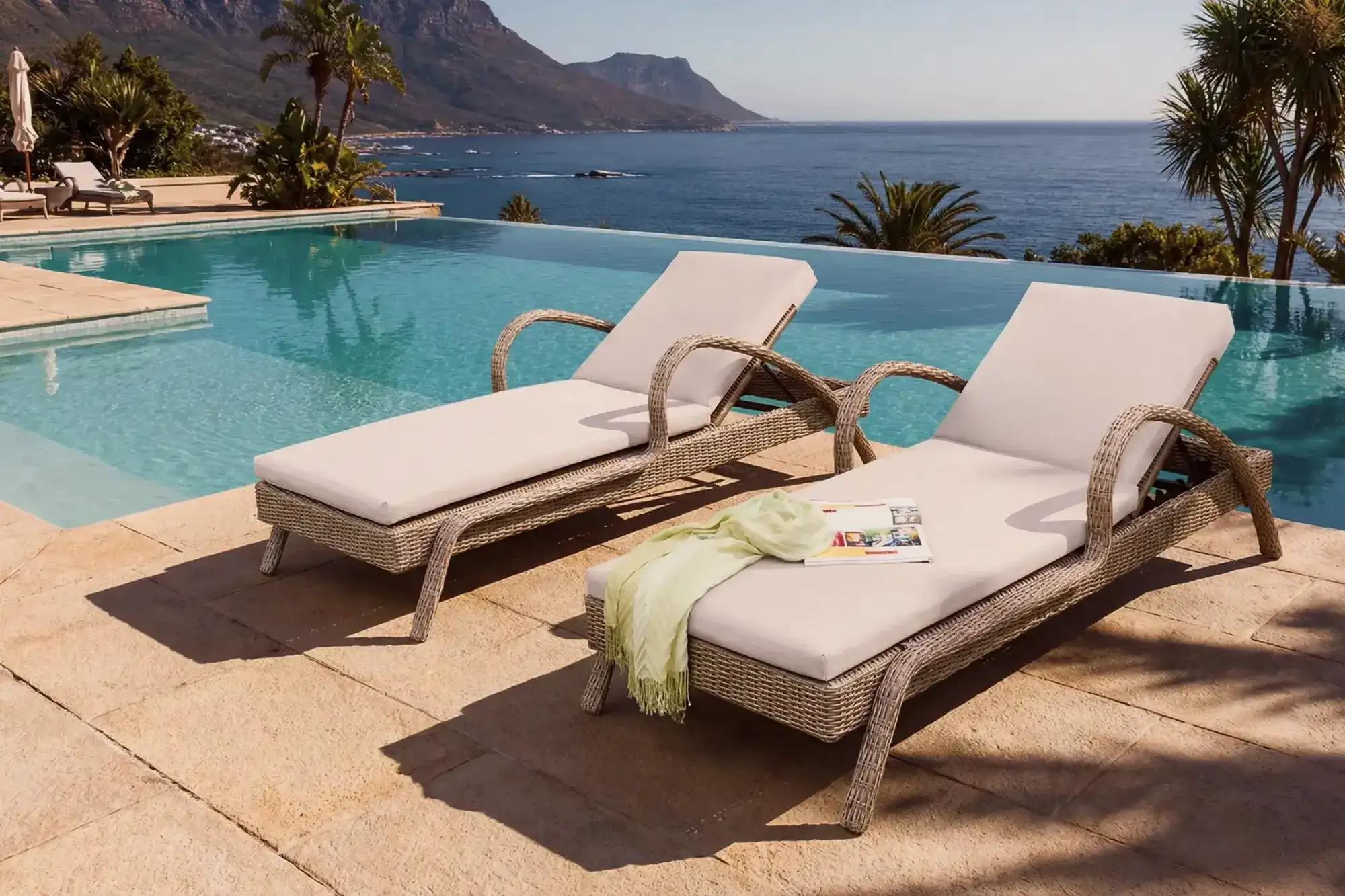
In this article, you will gain a clearer understanding of how wicker sun loungers are constructed, what makes them different from other materials, and how to choose and maintain them for long-term outdoor use.
1. What Are Wicker Sun Loungers and How Is Rattan Used in Them?
1.1. What is wicker weaving
Wicker is often misunderstood as a material, but it is actually a weaving technique used to shape furniture surfaces. In outdoor furniture, this technique involves weaving flexible fibers around a strong frame, creating a structure that is both lightweight and stable. For wicker sun loungers, this weaving method allows air circulation, flexibility, and a comfortable seating experience, which is especially important in outdoor environments where heat and moisture can affect usability.
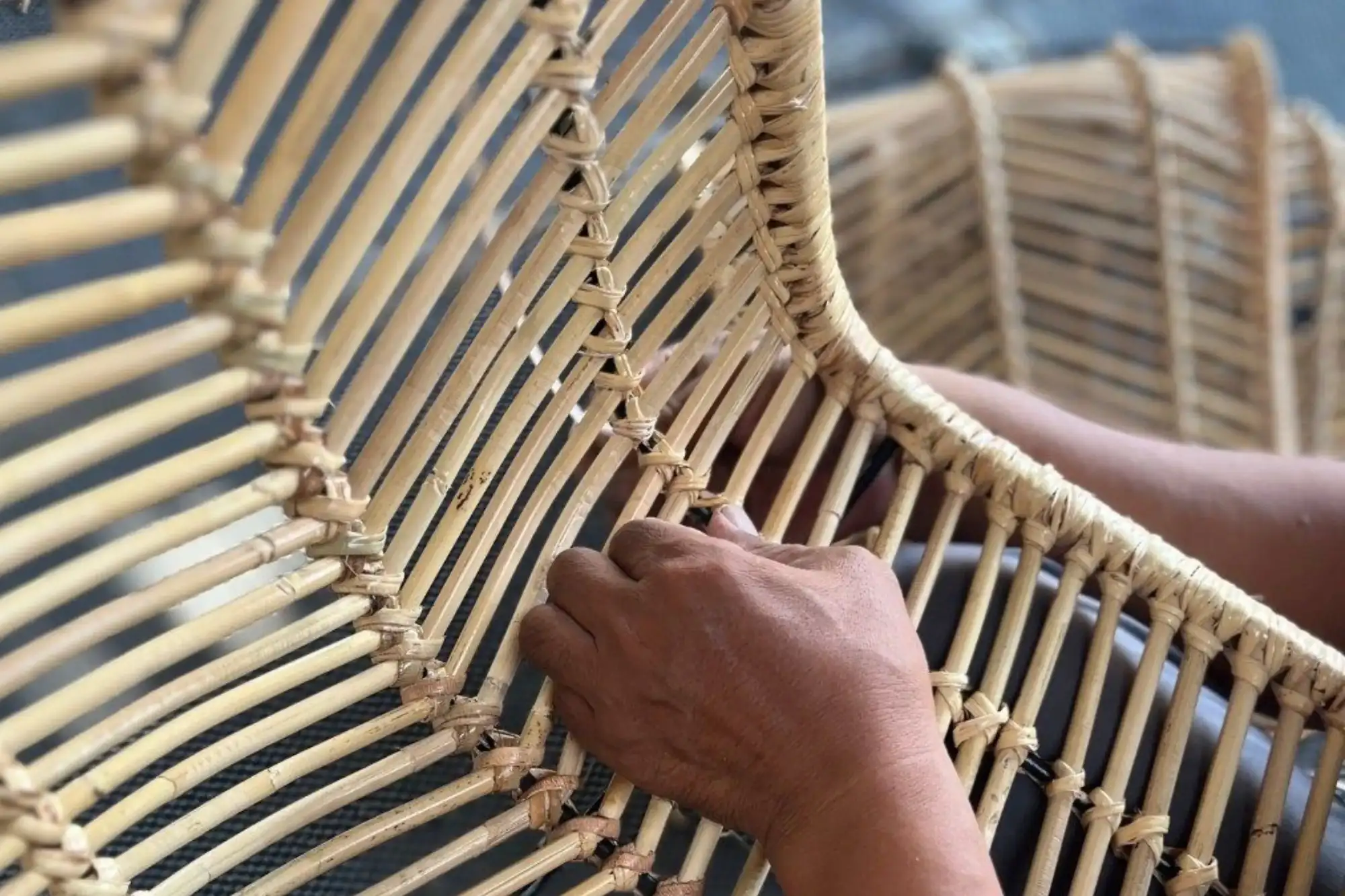
Handwoven wicker craftsmanship enhances durability and structure (source: internet)
1.2. What is rattan material
Rattan is a natural material derived from climbing palm plants, known for its strength and flexibility. Traditionally, a rattan sun lounger would use natural rattan for both structure and surface. However, natural rattan is sensitive to weather conditions such as rain and strong sunlight, which limits its use outdoors. To solve this, modern outdoor furniture uses synthetic rattan, which mimics the look of natural rattan but performs much better in harsh environments.
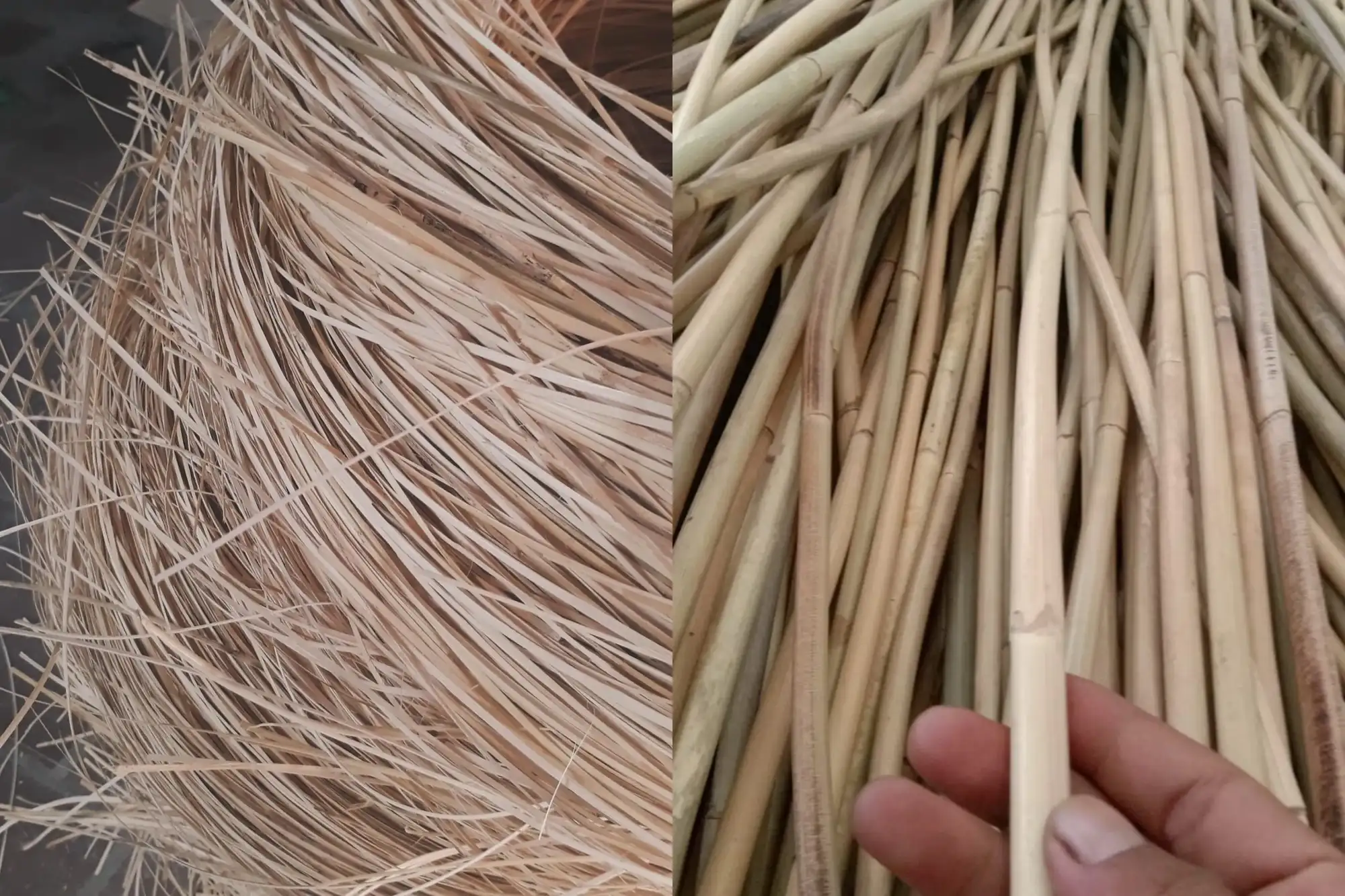
Natural rattan material used in wicker sun lounger production (source: internet)
1.3. How wicker and rattan work together in outdoor furniture
In modern designs, wicker describes the weaving process, while rattan refers to the material used in that process. Most wicker sun loungers today are made from synthetic rattan fibers woven onto an aluminum frame. This combination creates furniture that looks natural but performs like a modern engineered product. As a result, rattan sun beds and loungers can maintain their shape, color, and durability even after long exposure to outdoor conditions.
1.4. Why synthetic wicker is preferred for outdoor use
Synthetic wicker, commonly made from PE material, is specifically designed for outdoor durability. It resists UV rays, humidity, and temperature changes without cracking or fading easily. This makes wicker sun loungers a practical and long-term solution for outdoor spaces such as gardens, poolside areas, and resorts. Compared to natural rattan, synthetic wicker requires less maintenance while offering more consistent performance.
2. Why Are Wicker Sun Loungers a Popular Outdoor Choice?
2.1. Durability in outdoor conditions
Durability is one of the strongest advantages of wicker sun loungers. With UV-resistant fibers and powder-coated aluminum frames, these loungers can withstand sun exposure, rain, and temperature fluctuations. This makes them suitable for both residential and commercial use. Compared to other materials, rattan sun loungers made from synthetic wicker tend to last longer without significant wear.
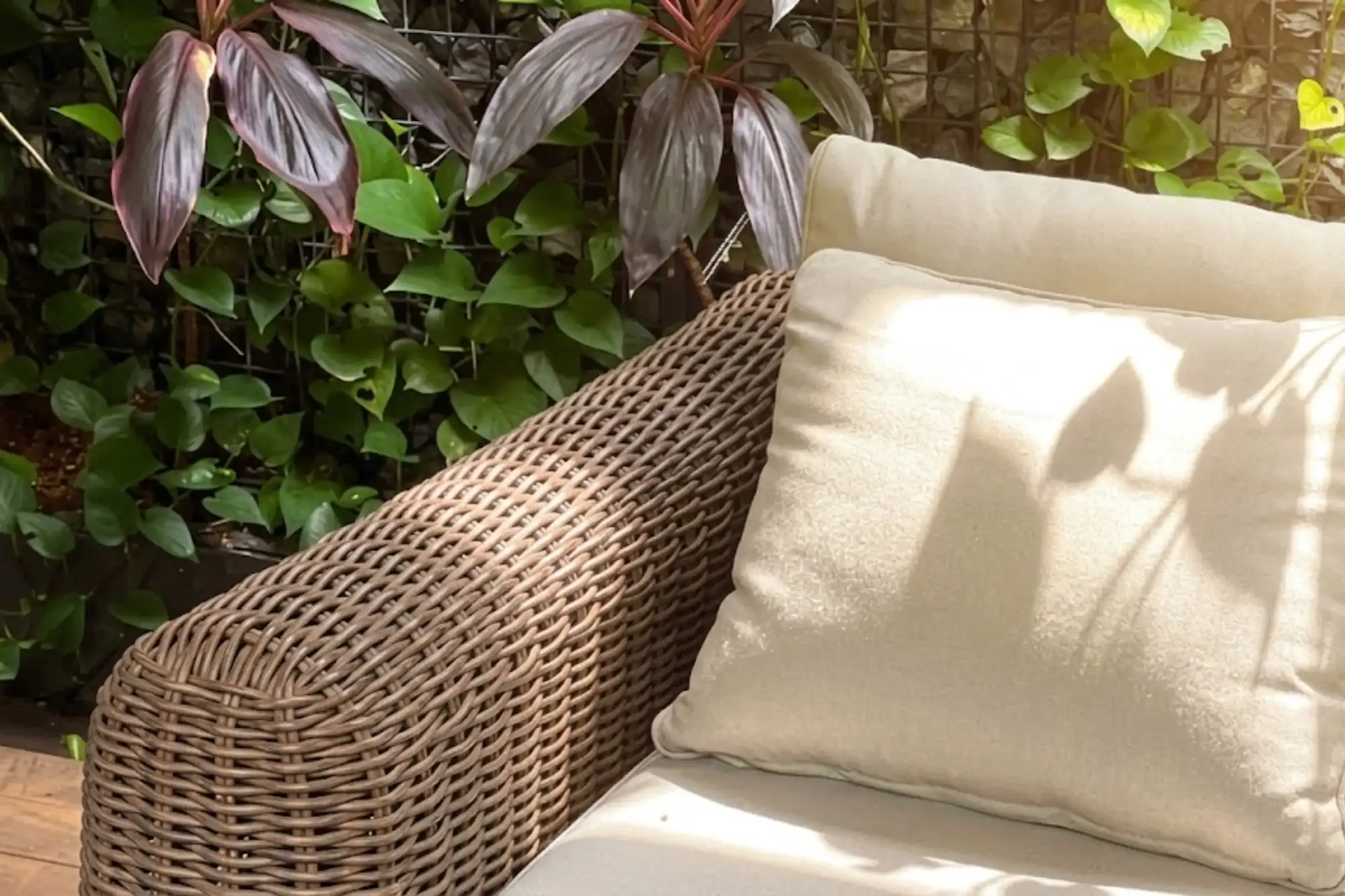
Synthetic rattan material in outdoor spaces
2.2. Lightweight and easy to move
Despite their durability, wicker sun loungers remain lightweight. This makes it easy to reposition them depending on sunlight, layout changes, or user preference. For outdoor spaces where flexibility is important, such as poolside or garden areas, this feature adds significant value.
2.3. Natural look with modern materials
Another key reason for their popularity is their visual appeal. A light grey rattan sun lounger can create a clean and modern atmosphere, while a brown rattan sun lounger blends naturally with greenery and outdoor landscapes. The woven texture gives a warm and organic feel, even though the material itself is engineered for performance.
3. How to Choose the Right Wicker Sun Loungers?
3.1. PE wicker vs natural rattan
When choosing a wicker sun lounger, the first decision is between natural and synthetic materials. Natural rattan offers authenticity but is not suitable for outdoor exposure. PE wicker, on the other hand, is designed for durability and weather resistance, making it the preferred choice for outdoor use.
3.2. Frame and structure quality
The frame determines the stability and lifespan of the lounger. Aluminum frames with powder coating are widely used because they are rust-resistant, lightweight, and strong. A well-built frame ensures that rattan sun loungers maintain their structure even with frequent use in demanding environments such as resorts.
3.3. Cushion comfort and fabric
Comfort is essential for any sun lounger. High-quality cushions with water-resistant fabric provide both comfort and practicality. When selecting rattan sun beds, factors such as cushion thickness, density, and fabric durability should be carefully considered to ensure long-term usability.
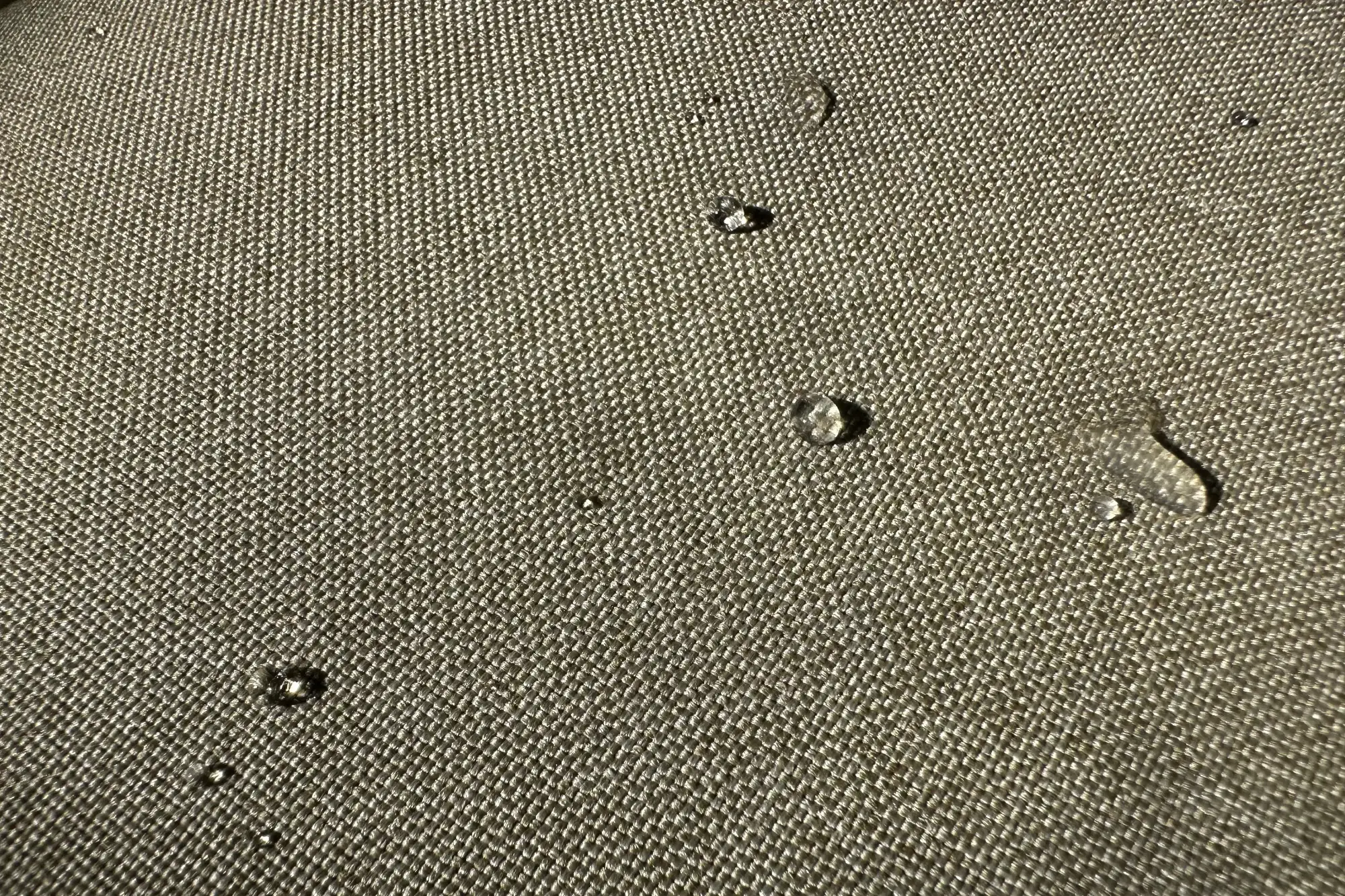
Water-repellent fabric used in ATC Furniture products
3.4. Choosing colors: light grey vs brown rattan sun lounger
Color selection plays an important role in the overall design. A light grey rattan sun lounger works well in modern and minimalist spaces, while a brown rattan sun lounger is more suitable for natural or tropical environments. The choice depends on the visual identity of the space.
4. Top Wicker Sun Loungers from ATC Furniture
4.1. PE Rattan Wicker Sun Loungers (Synthetic Rattan)
ATC Furniture offers a range of wicker sun loungers made from high-quality PE rattan. These products are designed for outdoor durability, with strong UV resistance and stable frames. They are suitable for residential spaces as well as large-scale projects such as hotels and resorts.
Many of these designs function as rattan sun beds, featuring adjustable backrests and comfortable cushions. Options such as light grey rattan sun lounger and brown rattan sun lounger are available to match different design needs, making them a flexible choice for various outdoor environments.
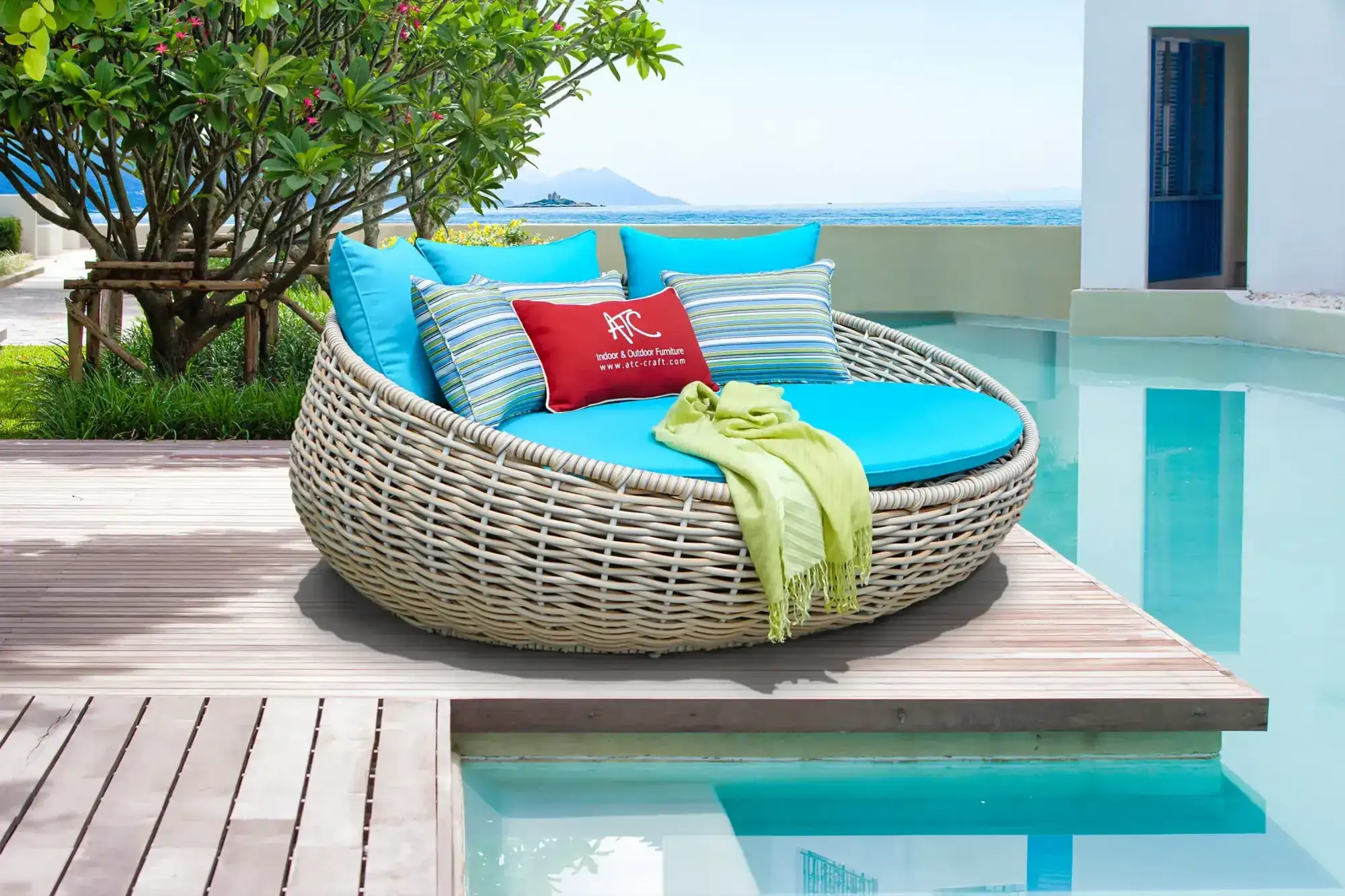
LAIKA wicker sun lounger at ATC Furniture
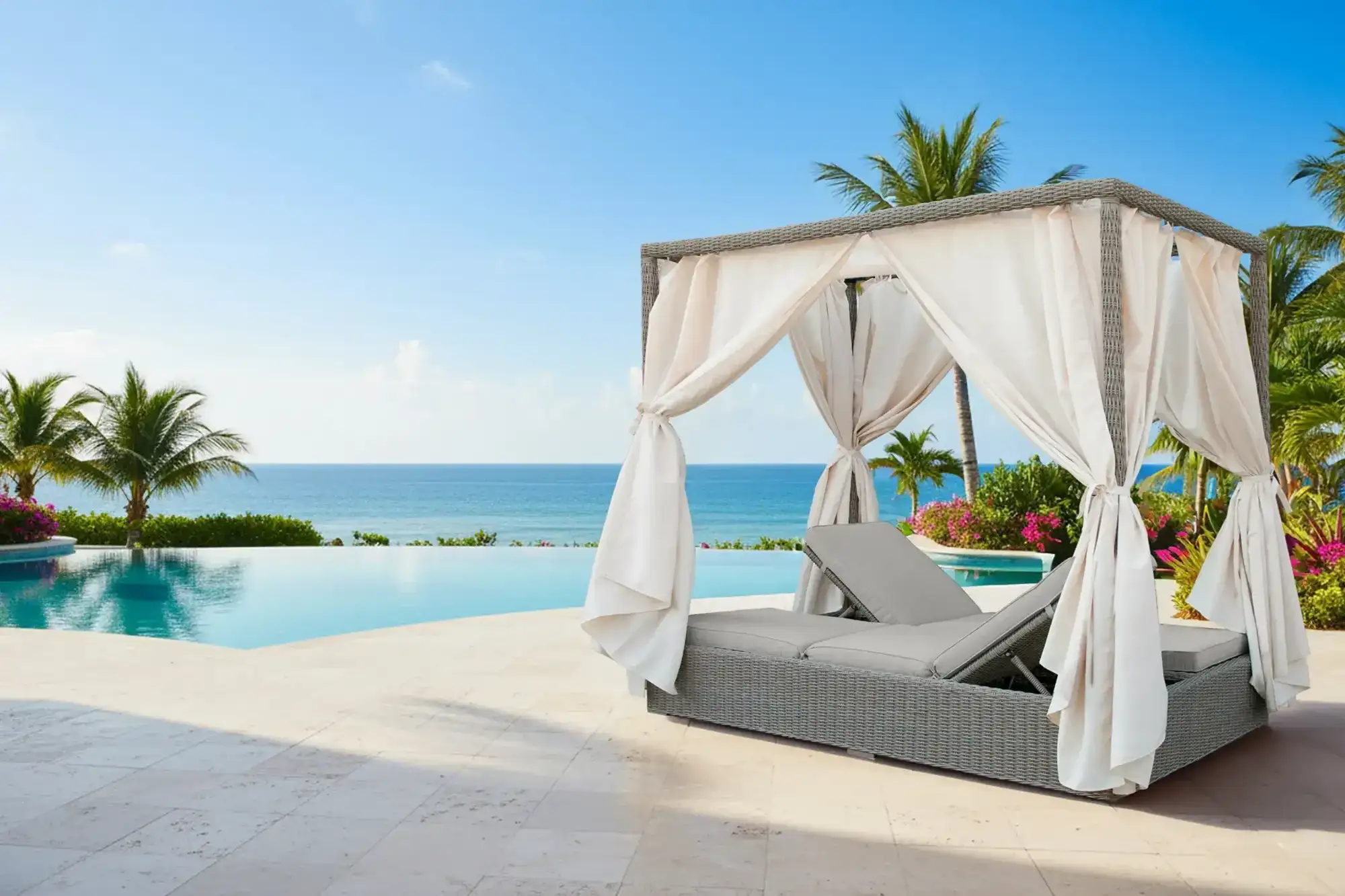
JERSEY wicker sun lounger at ATC Furniture
CEBU wicker sun lounger at ATC Furniture
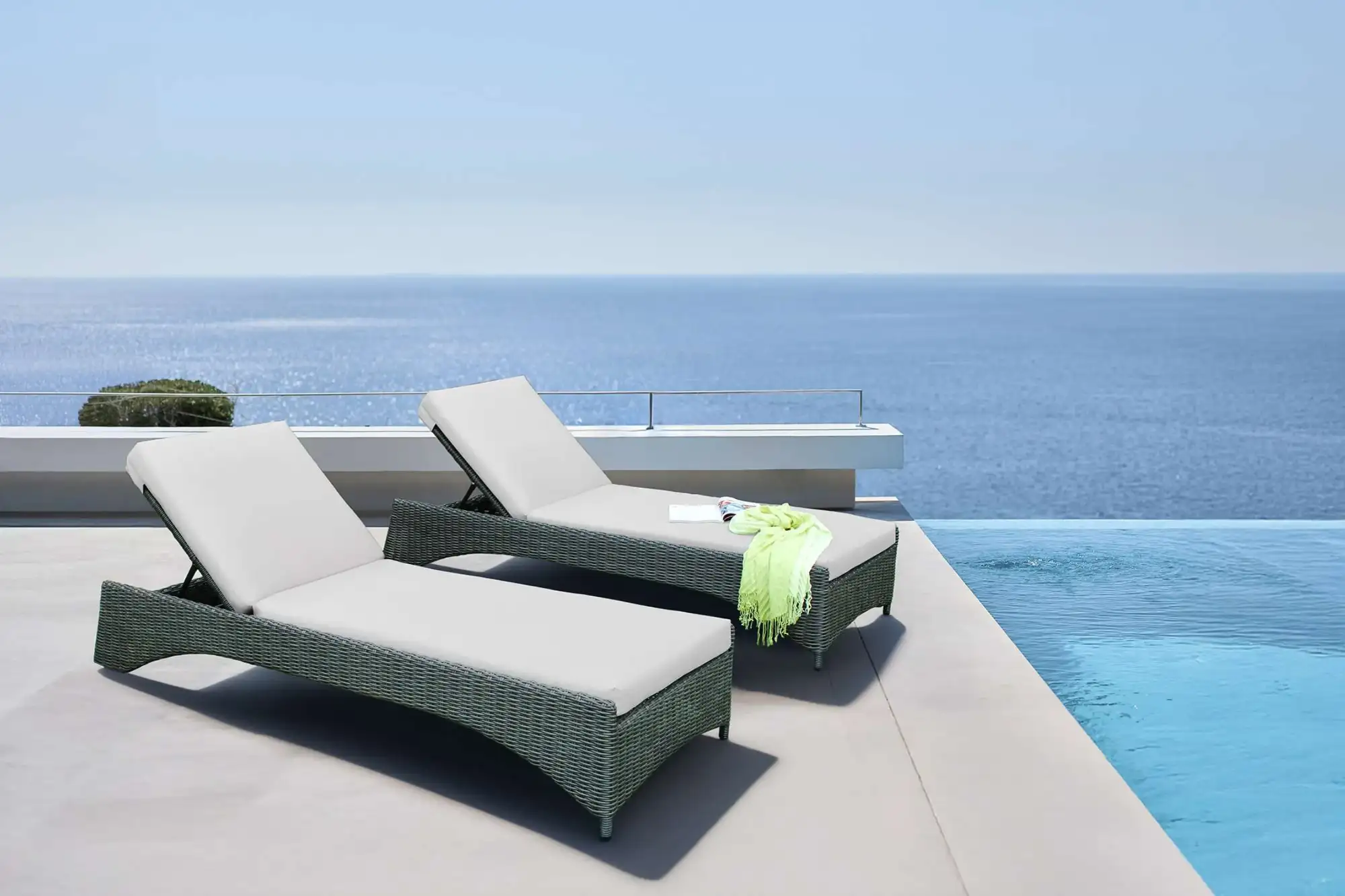
NORA wicker sun lounger at ATC Furniture
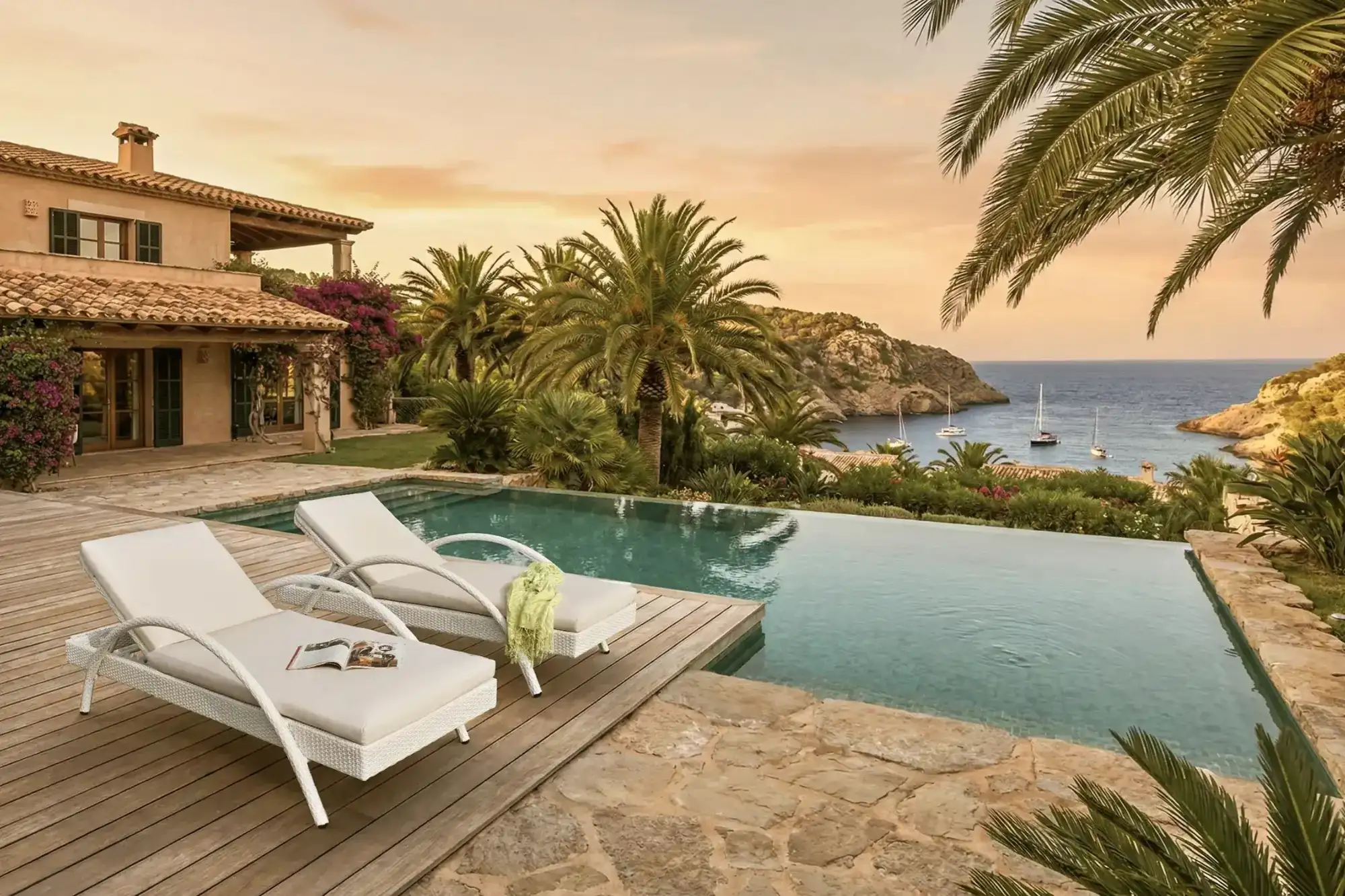
EDEN wicker sun lounger at ATC Furniture
4.2. Poly Bamboo Wicker Sun Loungers (Synthetic Bamboo)
In addition to rattan-based designs, ATC also develops poly bamboo wicker sun loungers. These products replicate the appearance of natural bamboo while offering improved durability and weather resistance. They are particularly suitable for projects that aim to create a tropical or eco-inspired atmosphere.
With strong construction and a unique aesthetic, these loungers provide both functionality and visual distinction. This makes them an attractive option for outdoor spaces that require something different from standard rattan sun loungers.
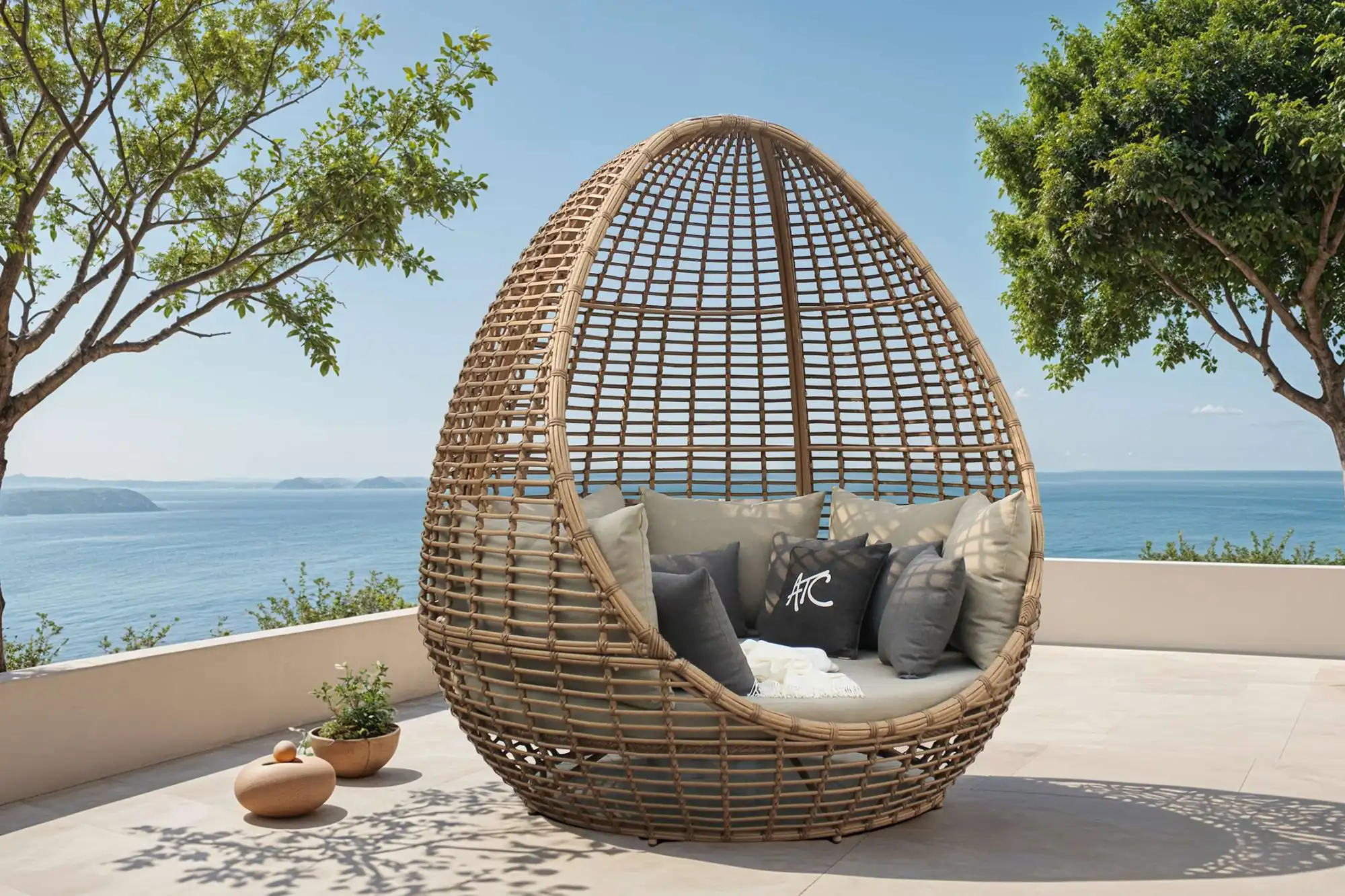
COCOON wicker sun lounger at ATC Furniture
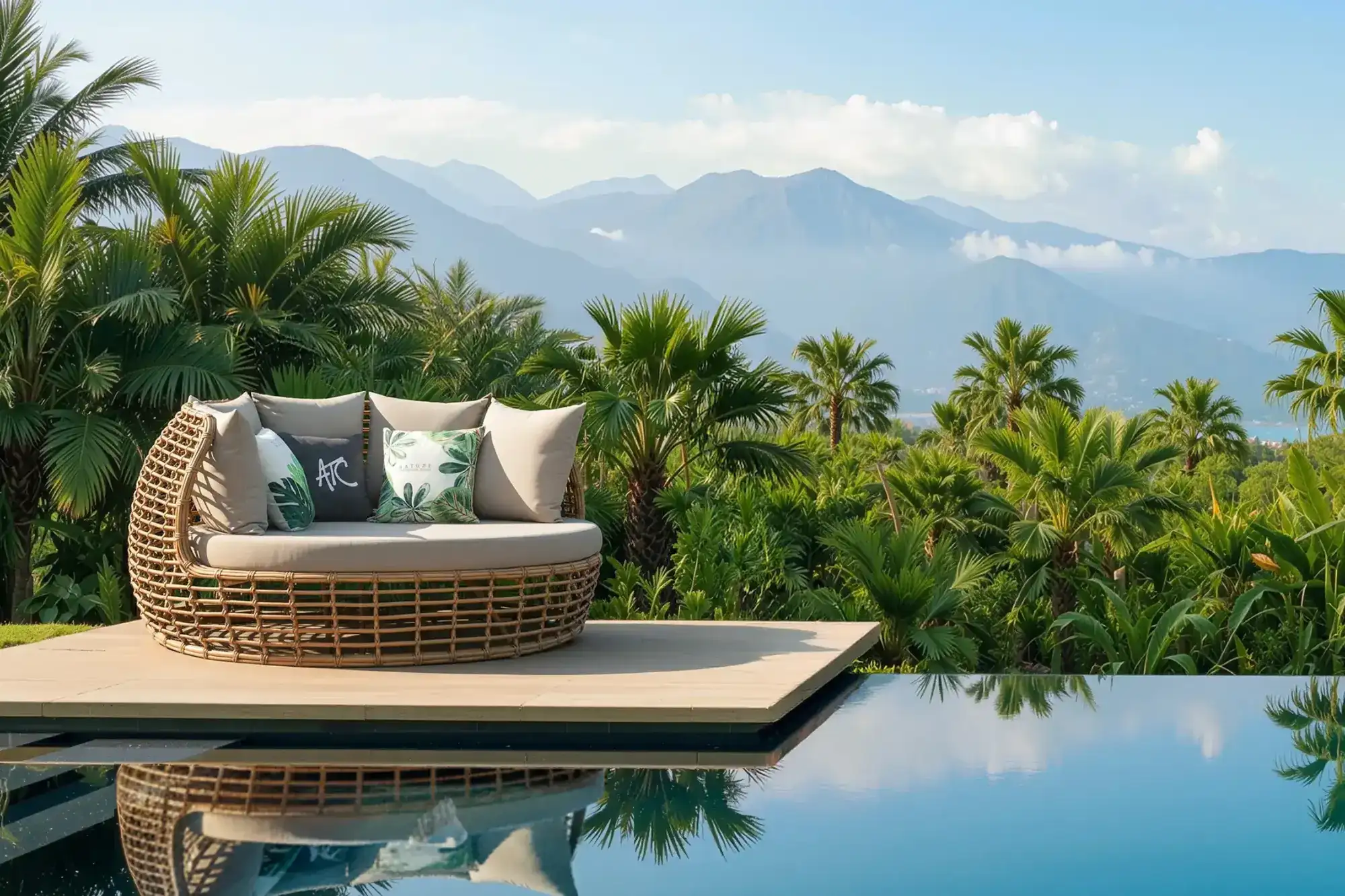
MONICA wicker sun lounger at ATC Furniture
>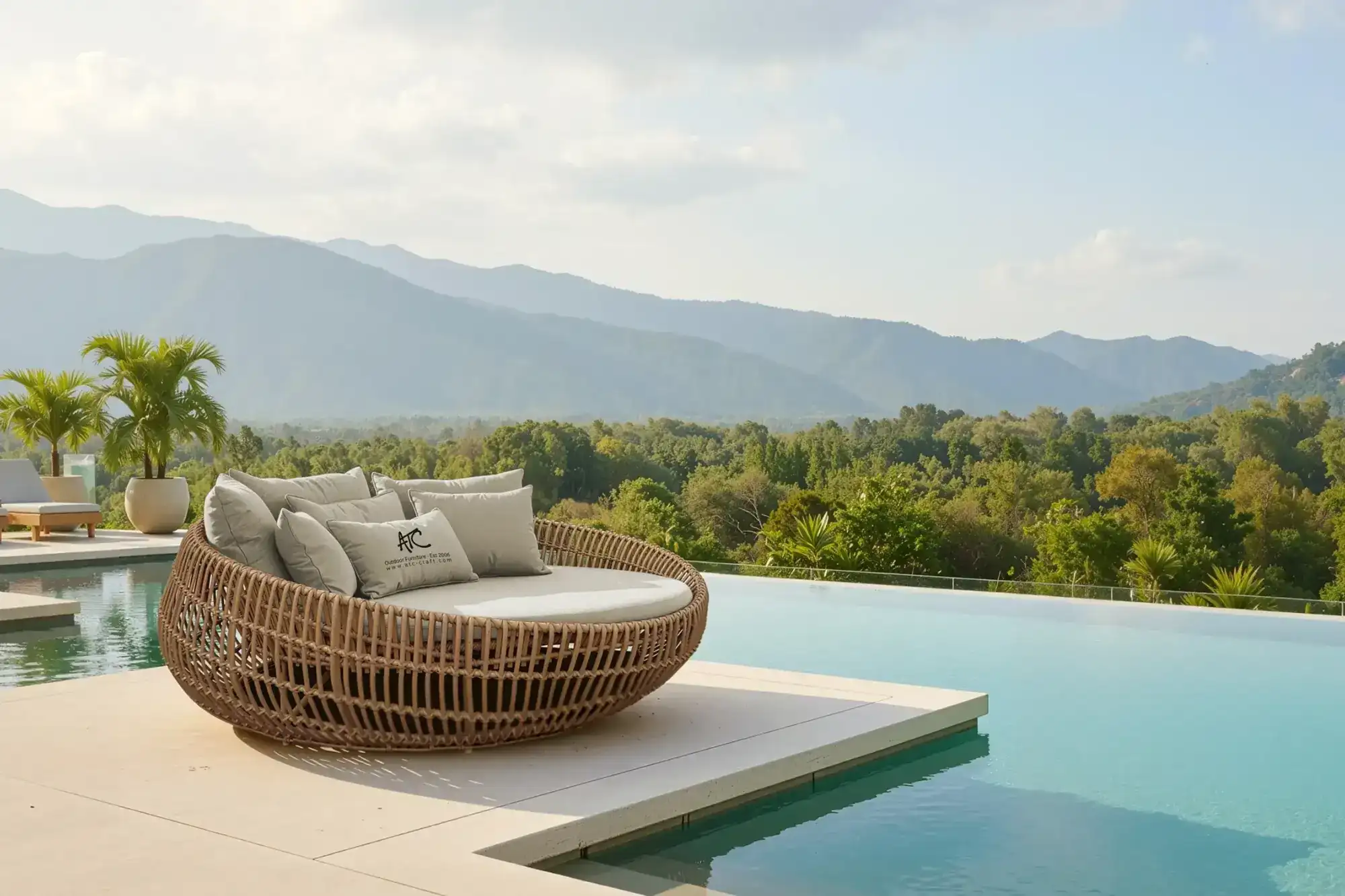
FIJI wicker sun lounger at ATC Furniture
5. How to Maintain Wicker Sun Loungers for Long-Term Use?
5.1. Cleaning wicker surfaces properly
Regular cleaning helps maintain both the appearance and performance of wicker sun loungers. Dust and dirt can be removed using a soft brush or cloth, while mild soap solutions can be used for deeper cleaning. Keeping the surface clean prevents buildup that may affect durability over time.
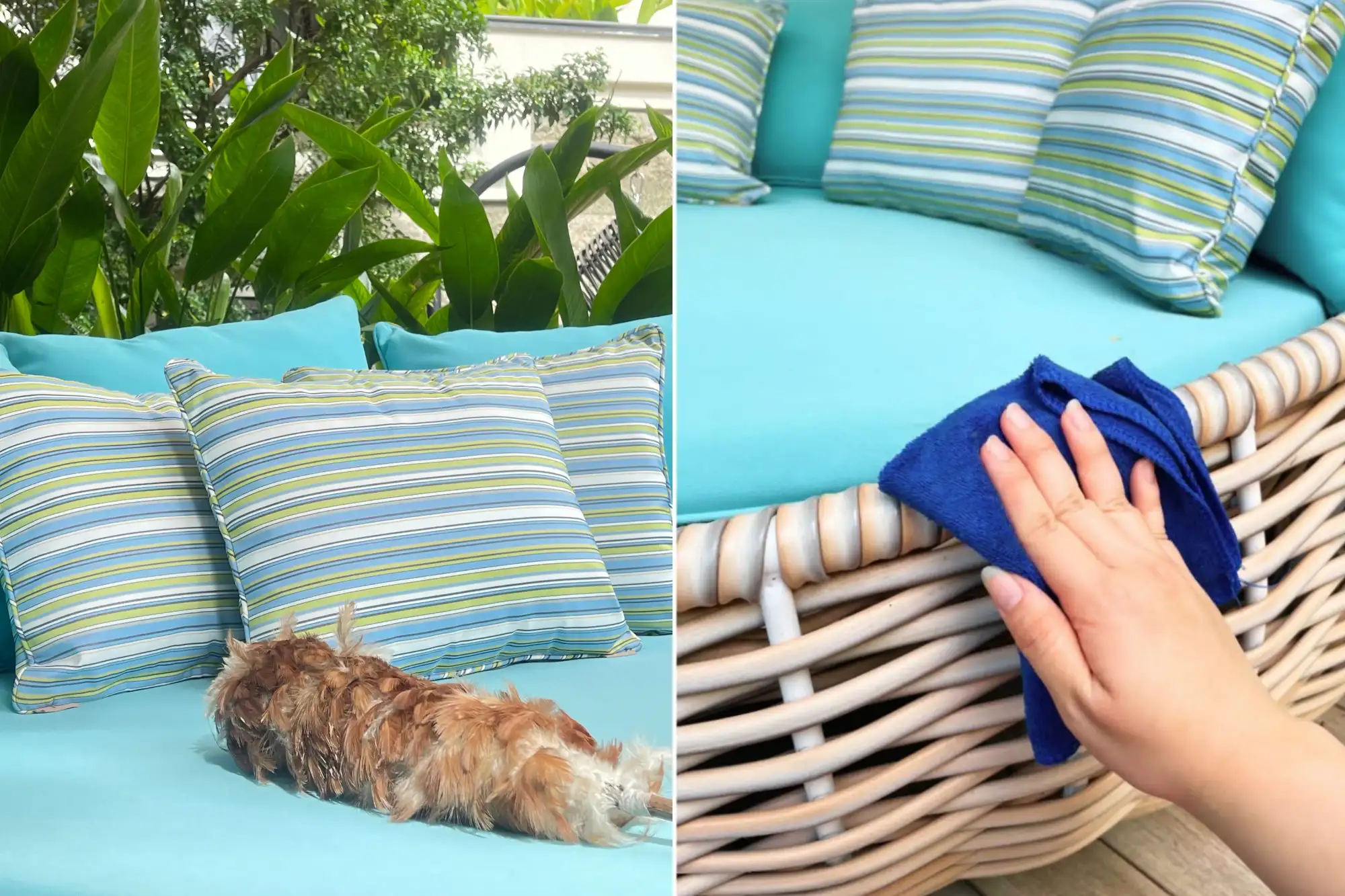
Clean with a damp cloth and wipe regularly
5.2. Protecting from sun and rain
Although wicker sun loungers are designed for outdoor use, additional protection can help extend their lifespan. Using covers during extreme weather or placing loungers in shaded areas can reduce exposure to harsh conditions, helping preserve both color and structure.
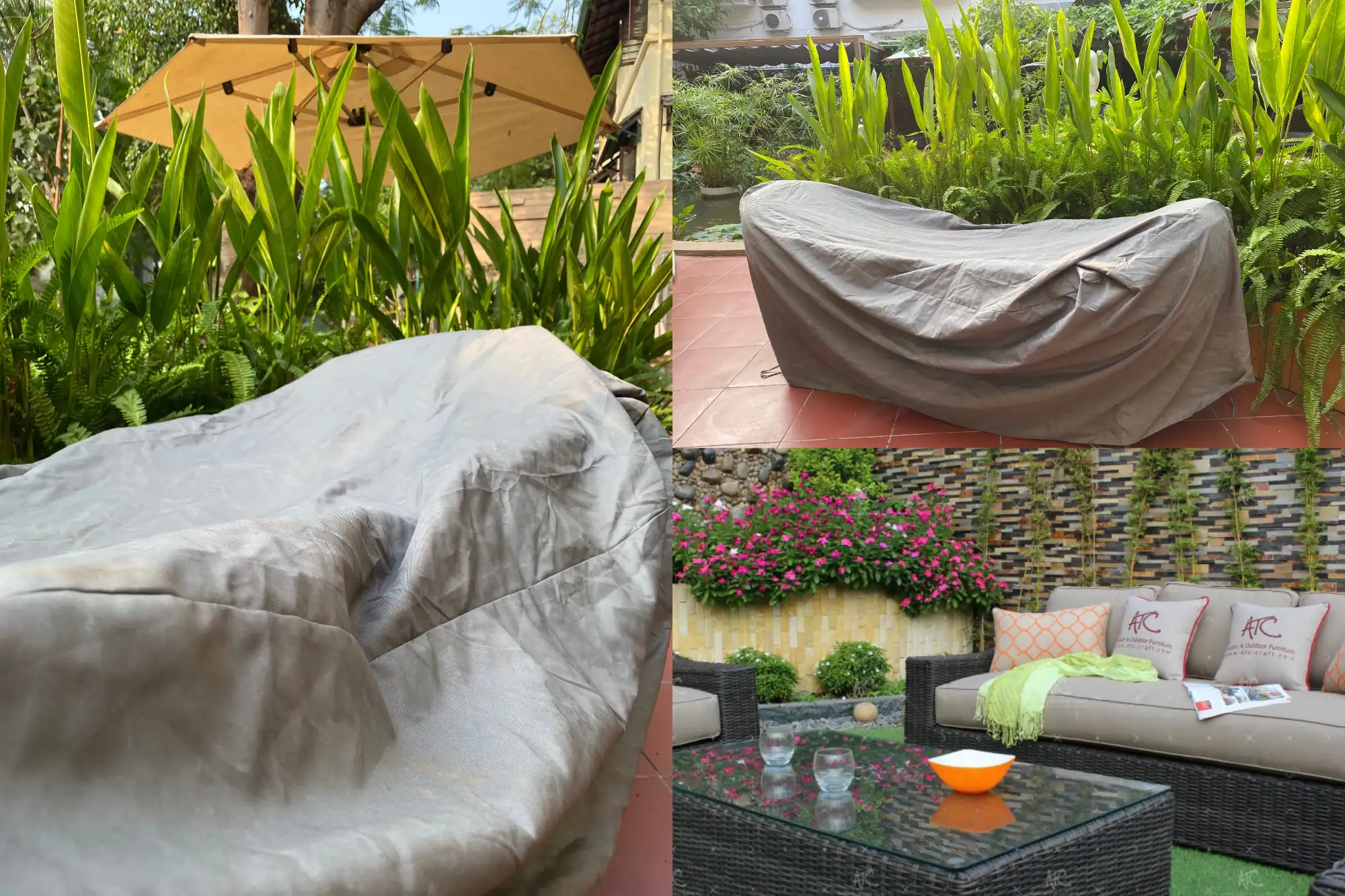
Use a protective cover to shield the product from rain and weather
5.3. Cushion care and storage
Cushions should be stored in dry conditions when not in use. While many cushions are water-resistant, prolonged exposure to moisture can affect their quality. Proper care ensures that rattan sun loungers remain comfortable and visually appealing.