How to Decorate Outdoor Plants for a Greener and More Beautiful Space
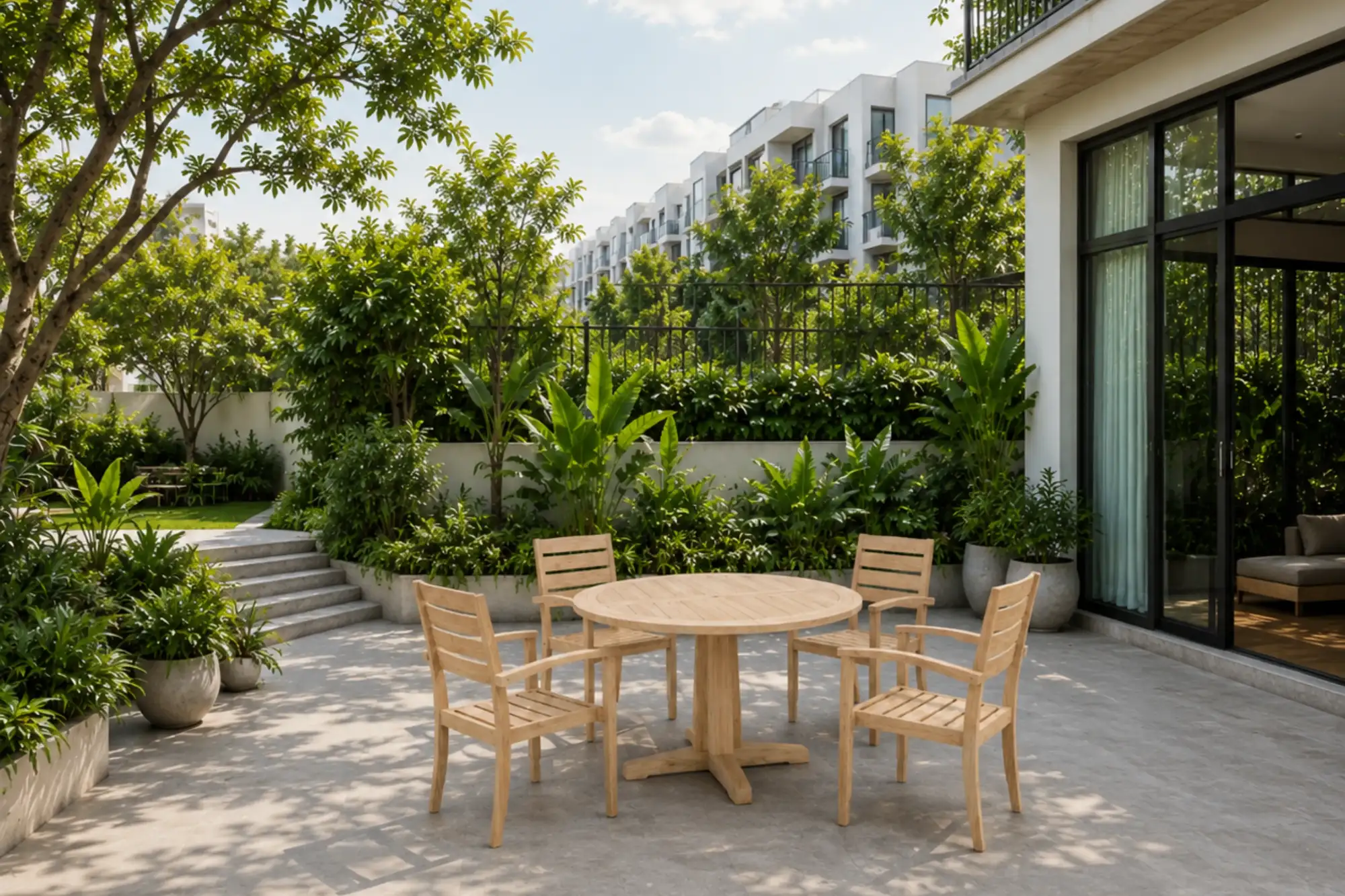
Decorating outdoor plants is one of the simplest yet most effective ways to refresh your living space. A yard filled with greenery not only brings a cooler feeling but also makes the home look softer, more inviting, and more relaxing. However, to make the space both beautiful and practical, plant placement should be planned based on the yard size, natural light, walking paths, and daily living needs.
Besides plants, choosing the right outdoor furniture and garden products also plays an important role in completing the overall look. A suitable furniture set helps the yard become more than just a place to look at. It turns the space into an area that can be enjoyed every day.
1. Choose a Style Before Arranging the Plants
Before you start decorating outdoor plants, it is helpful to define the main style of the space. If you prefer a minimalist look, you can choose compact plants, neutral-colored pots, and a simple layout with fewer details. If you want a more tropical feeling, large-leaf plants, dense greenery, and natural materials will be a better fit.
Choosing a clear style from the beginning helps you avoid buying too many plants that do not work well together. A beautiful yard does not always need many plants. What matters more is consistency in color, shape, and arrangement. Once the style is clear, choosing outdoor furniture, plant pots, garden lights, or outdoor rugs also becomes much easier.
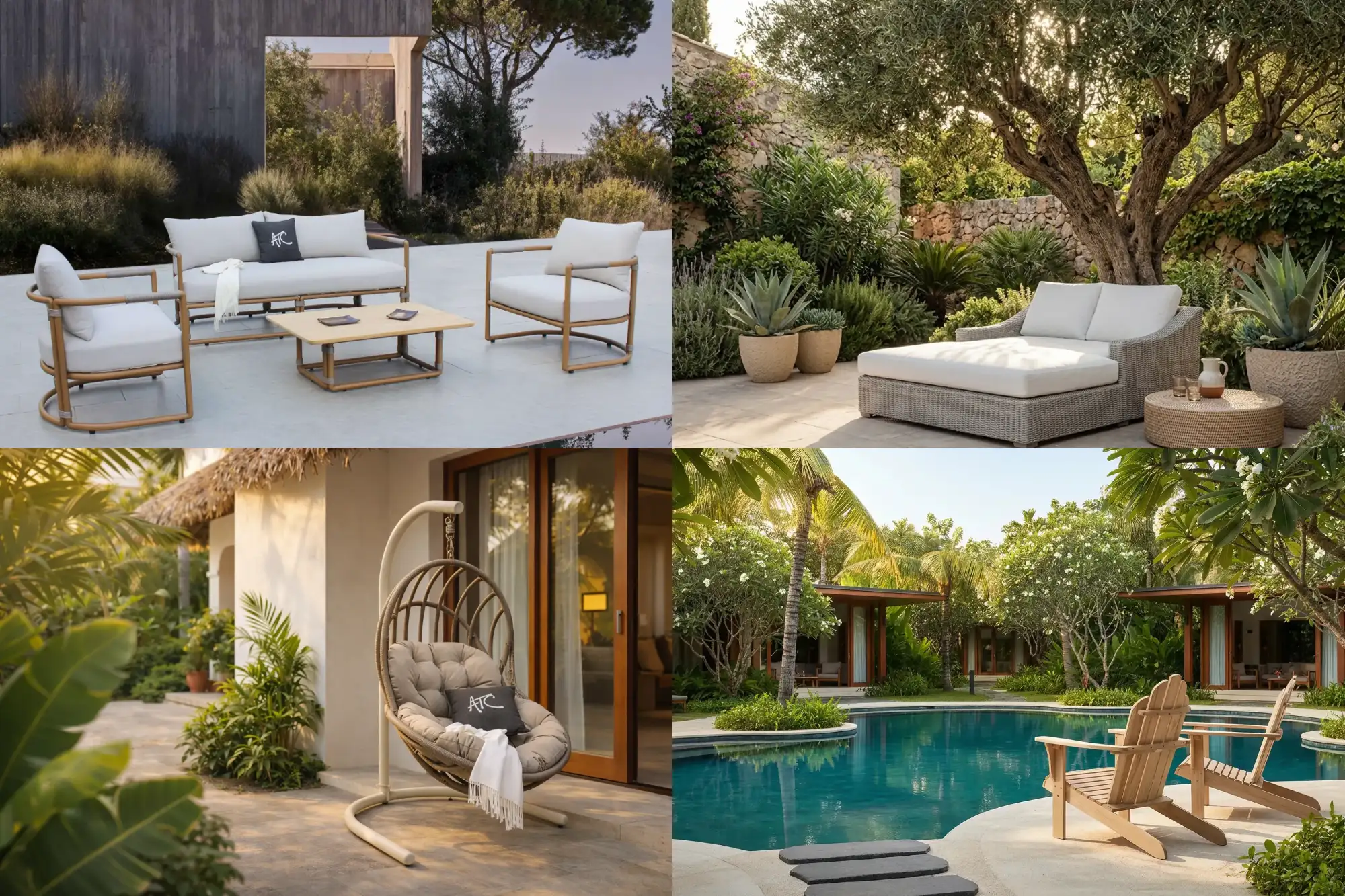
Choosing a clear garden style first helps the plants, seating, pots, and outdoor details feel more harmonious together
2. Choose Outdoor Furniture That Matches the Plants and Yard Size
Outdoor furniture should not be selected separately from the greenery around it. For a small yard, a compact coffee table set, a single chair, or a medium-sized lounge chair can help keep the space open and comfortable. For a larger yard, you can choose an outdoor sofa set, a dining set, or a swing chair to create a clear living area for family members and guests.
Material is also an important factor. Products made from synthetic rattan, woven rope, teak wood, powder-coated aluminum frames, or other outdoor-friendly materials are more suitable for sunny and rainy conditions. When the furniture colors work well with the plant pots, flooring, and leaf tones, the whole space will look more natural, balanced, and visually pleasing.
Choosing outdoor furniture that matches the plants and yard size helps the space feel open, balanced, and naturally inviting
3. Mix Green Plants with Seasonal Flowers
Green plants give the yard a stable look throughout the year, while seasonal flowers bring freshness and gentle changes. You can add a few small flower pots during special occasions such as Lunar New Year, summer, or the end of the year to add color without changing the entire layout.
The key is not to use too many flower colors at once. If the yard already has many types of plants, flowers should only be used as small accents. Soft tones such as white, pale yellow, light pink, or deep red are easier to combine and help keep the space harmonious.
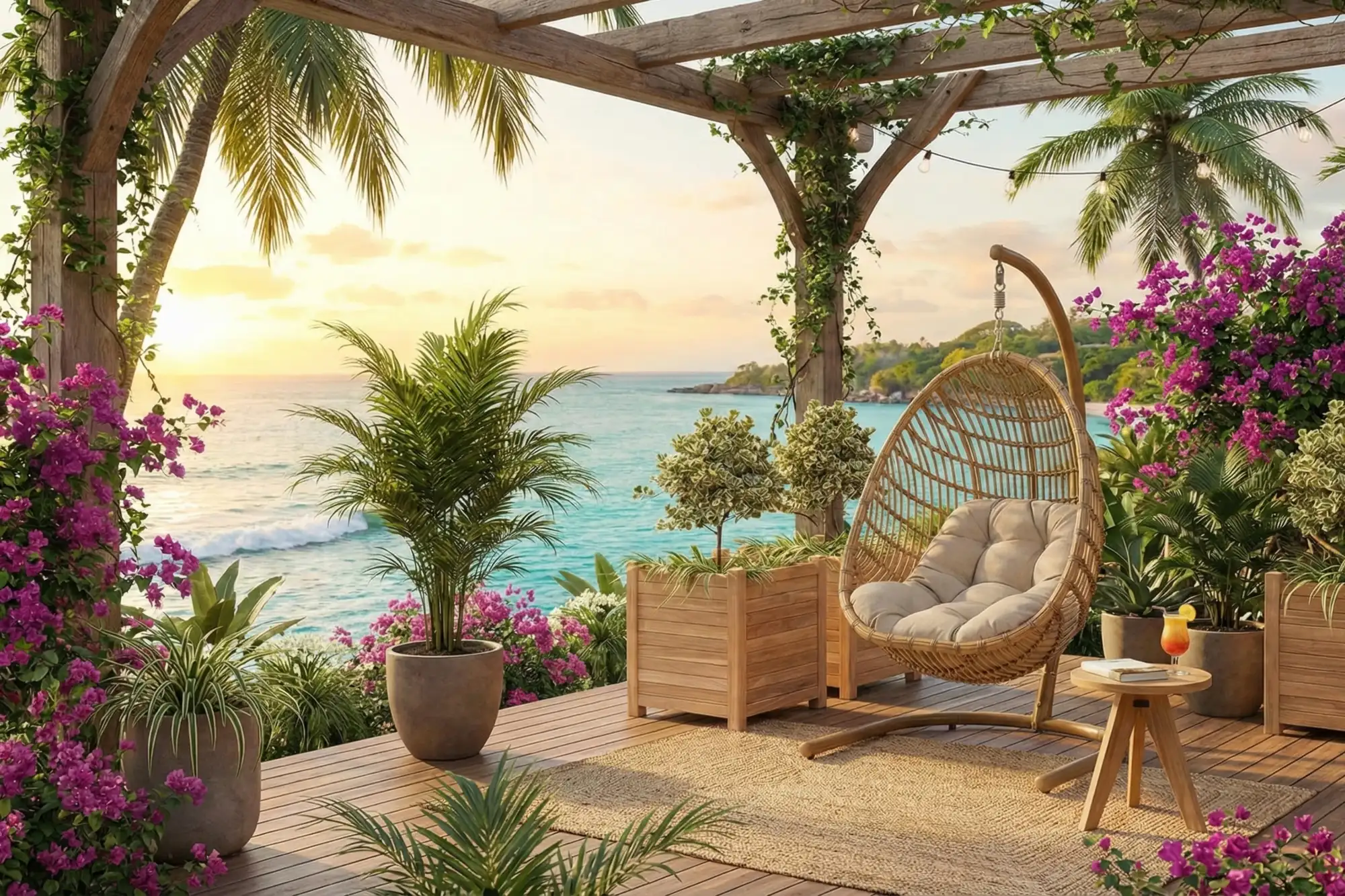
Seasonal flowers add gentle color to the yard while green plants keep the outdoor space fresh and balanced all year
4. Combine Tall Plants, Low Plants, and Ground Cover
A yard filled with plants of the same height can easily look flat and repetitive. To make the space more lively, try combining different plant layers. Tall plants create the background, medium-height plants act as a transition layer, and low plants or ground cover help complete the surface area.
This layered arrangement works especially well along walls, fences, or pathways. When plants are arranged in layers, the yard feels deeper, more natural, and less disconnected. It is also a useful way to soften empty walls or improve corners that look unfinished.
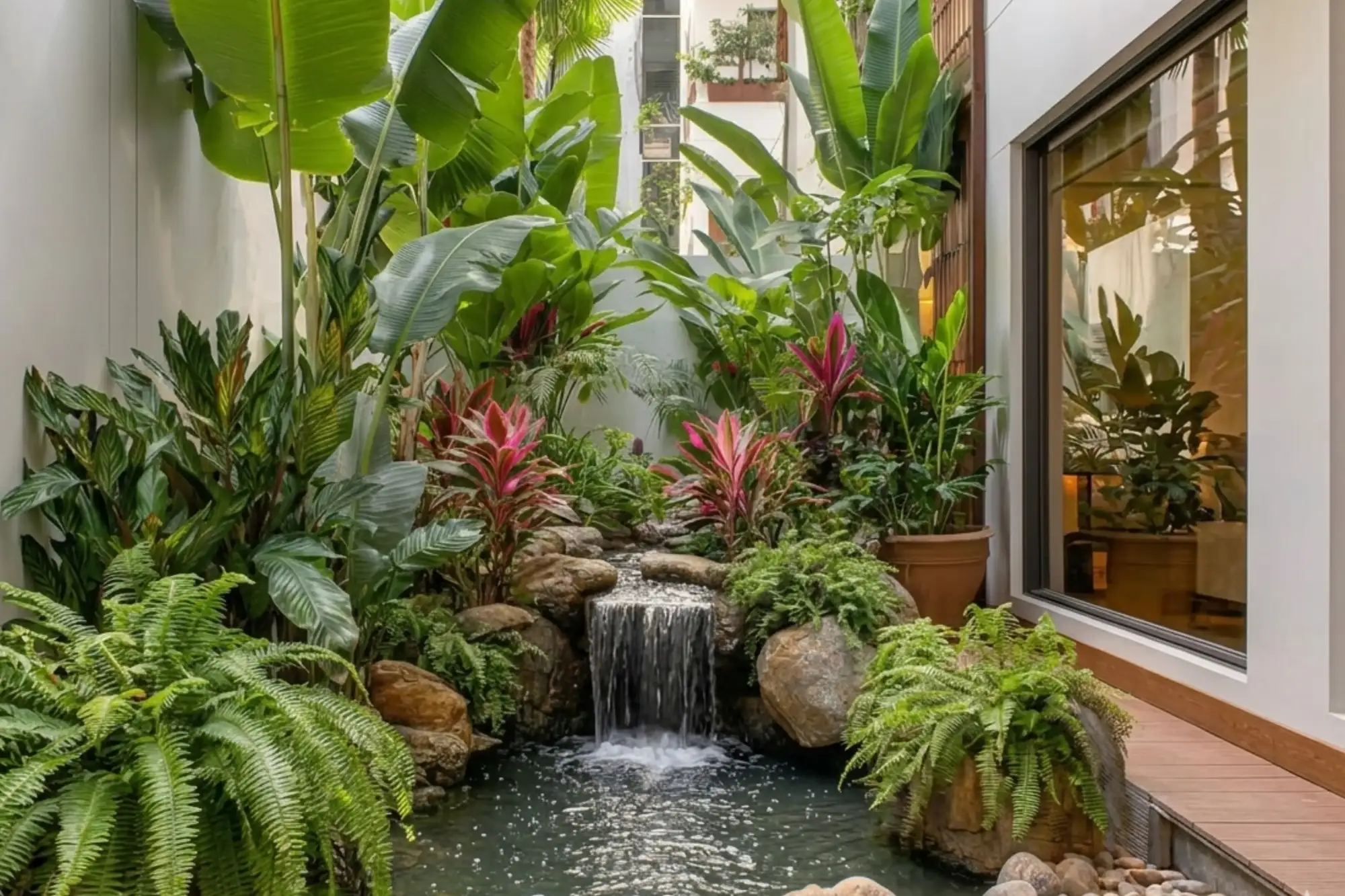
A layered plant arrangement turns narrow garden corners into lively spaces with texture, movement, and natural balance
5. Use Plant Pots for a More Flexible Layout
Plant pots are a practical choice for townhouses, balconies, rooftops, or any area where plants cannot be grown directly in the ground. Their biggest advantage is flexibility. You can move them around depending on the season, sunlight, or how you want to use the space.
When choosing pots, simple shapes and easy-to-match colors such as white, gray, beige, brown, or black are often the best options. For a more refined look, you can choose pots with cement, ceramic, terrazzo, or stone-like finishes. The more consistent the pots are, the cleaner and more polished the outdoor space will feel.
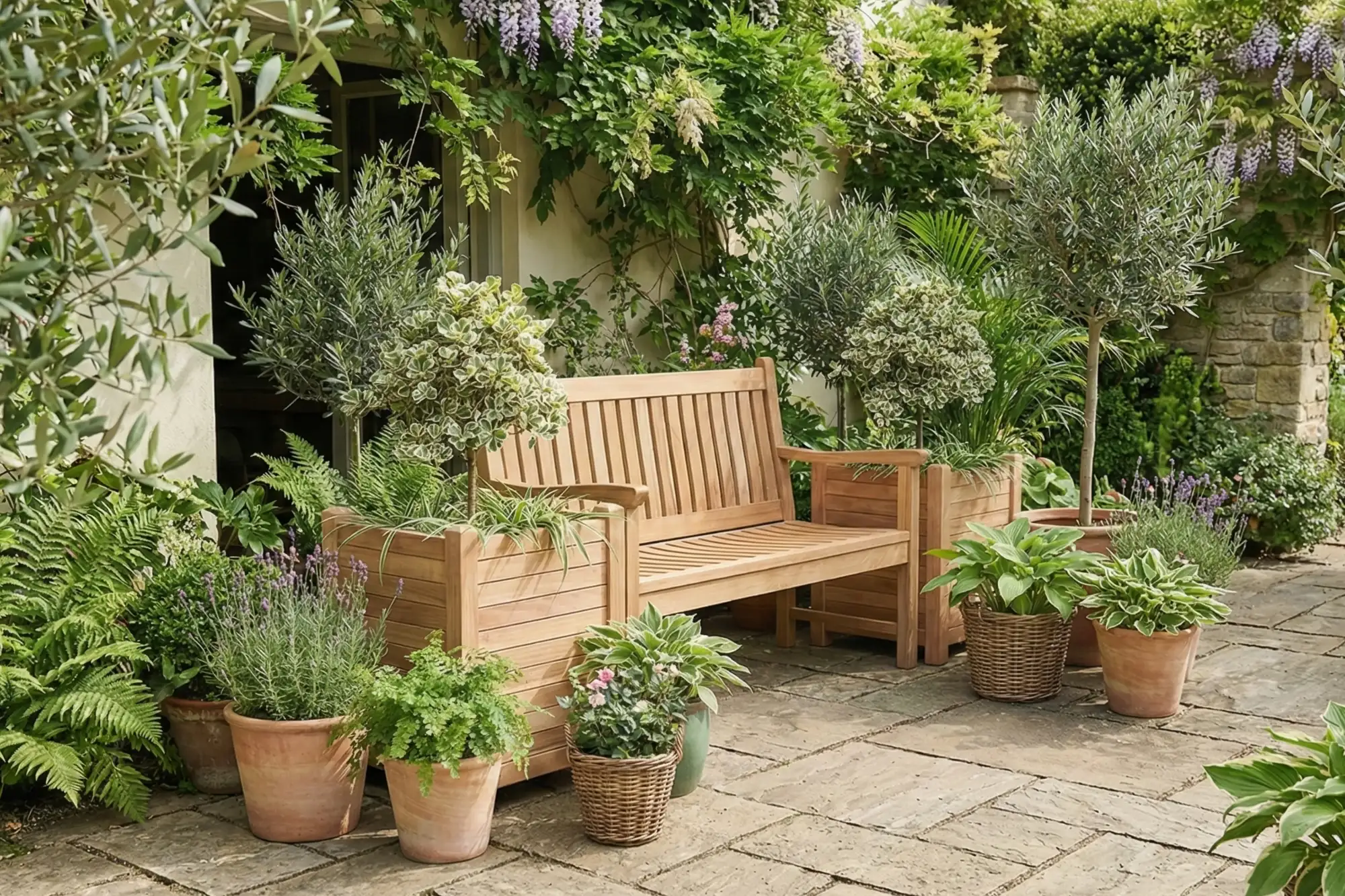
With matching pots and natural materials, even a small garden corner can feel organized, warm, and full of life
6. Create a Focal Point with One Main Plant
One simple way to make the yard look more organized is to choose one main plant as the focal point. This can be a plant with a beautiful canopy, an artistic trunk shape, or a standout height. It should be placed in a visible position, such as a corner of the yard, beside the seating area, near the entrance, or at the end of the view.
Once you have a main plant, the other plants should support it rather than compete with it. You can choose smaller plants, softer leaf colors, or simpler pots to keep the focus clear. This approach gives the yard a stronger visual center and makes the design feel more intentional.
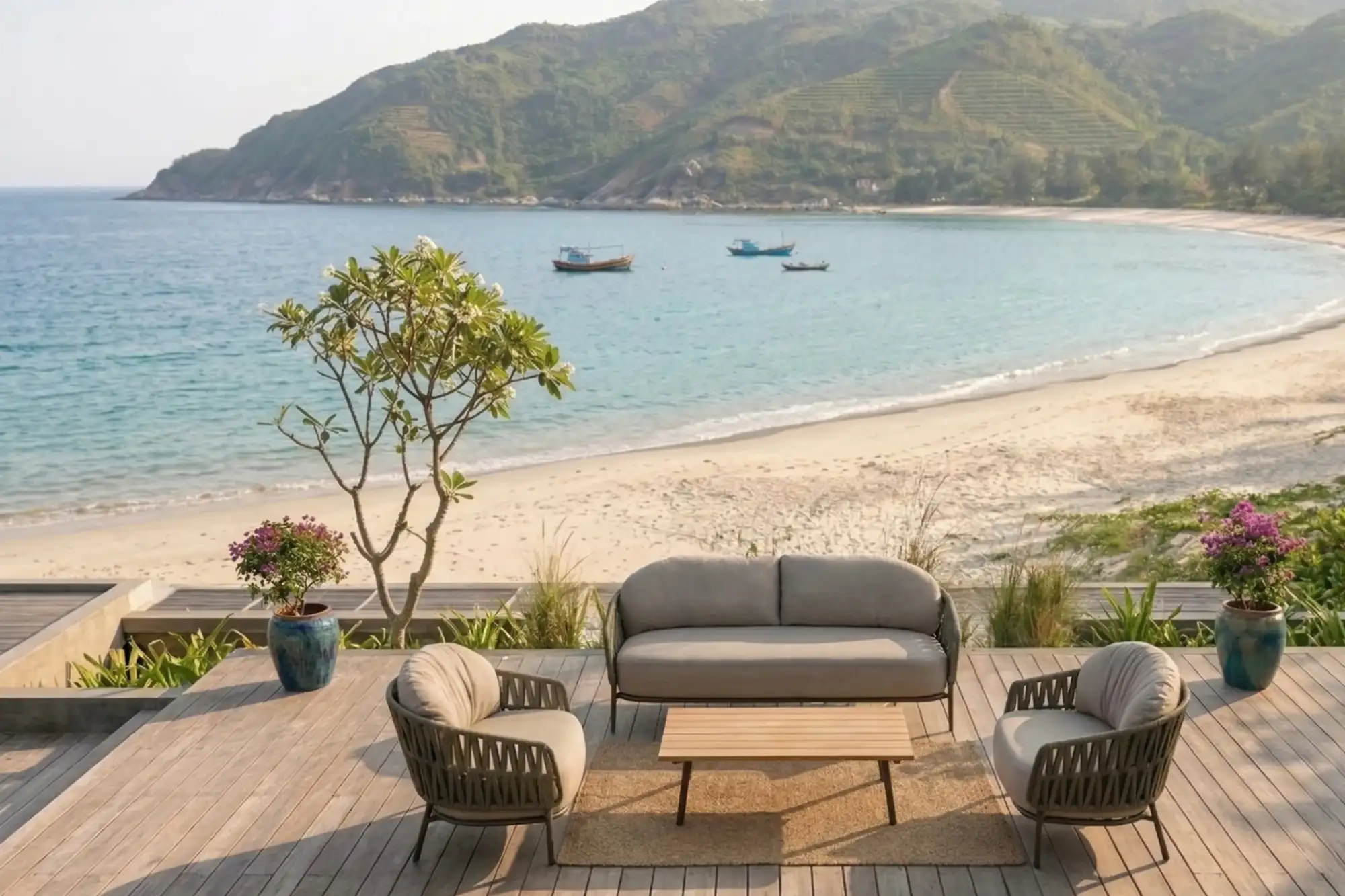
A single main plant can anchor the whole yard, giving the seating area a clear focal point and a more intentional look
7. Decorate the Seating Area with Greenery
The seating area is where plants can bring the most value in both beauty and comfort. An outdoor table set, lounge chair, or swing chair becomes more relaxing when surrounded by greenery. Plants can be placed behind the seating area to create a sense of privacy, on both sides to soften the space, or in front to create a gentle focal point.
However, plants should not be placed too close to the seating area, as they may block movement or make daily use inconvenient. A good distance keeps the space fresh and comfortable at the same time. When greenery and furniture are arranged in the right proportion, this area can become a beautiful, practical, and easy-to-use relaxation corner throughout the day.
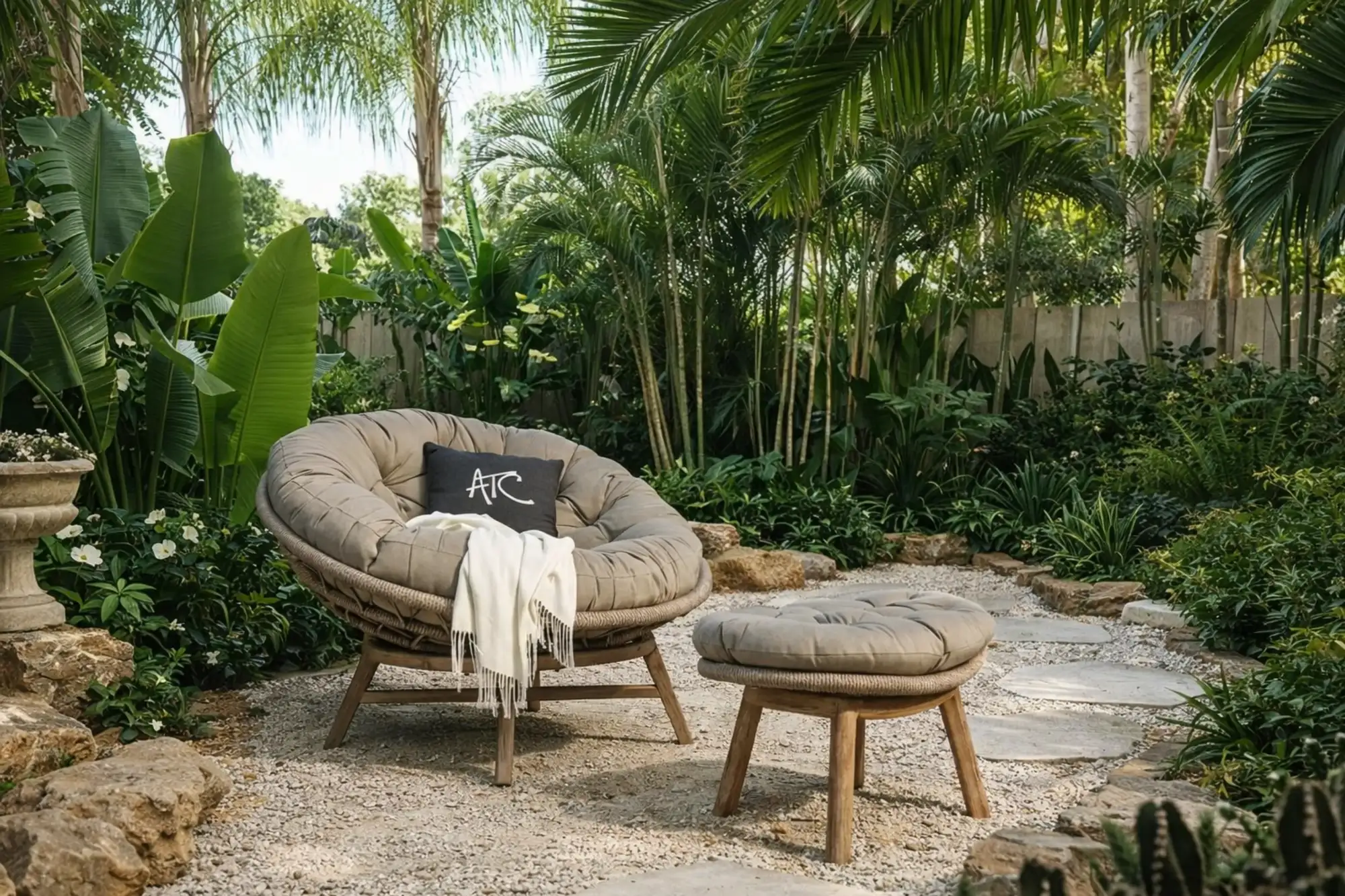
When plants and seating are arranged in the right proportion, the garden becomes both beautiful and comfortable to use
8. Soften the Pathway with Plants on Both Sides
Pathways are often overlooked when decorating a yard, but they help guide the entire space. When greenery is placed along both sides of a walkway, the yard feels softer and more naturally connected. You can use low shrubs, small pots, or border plants to create a gentle direction through the space.
For narrow pathways, choose compact plants that do not have sharp thorns and do not shed too many leaves. If the walkway is combined with gravel, stepping stones, or paving tiles, the greenery on both sides will help reduce the hard look of the surface and make the space feel closer to nature.
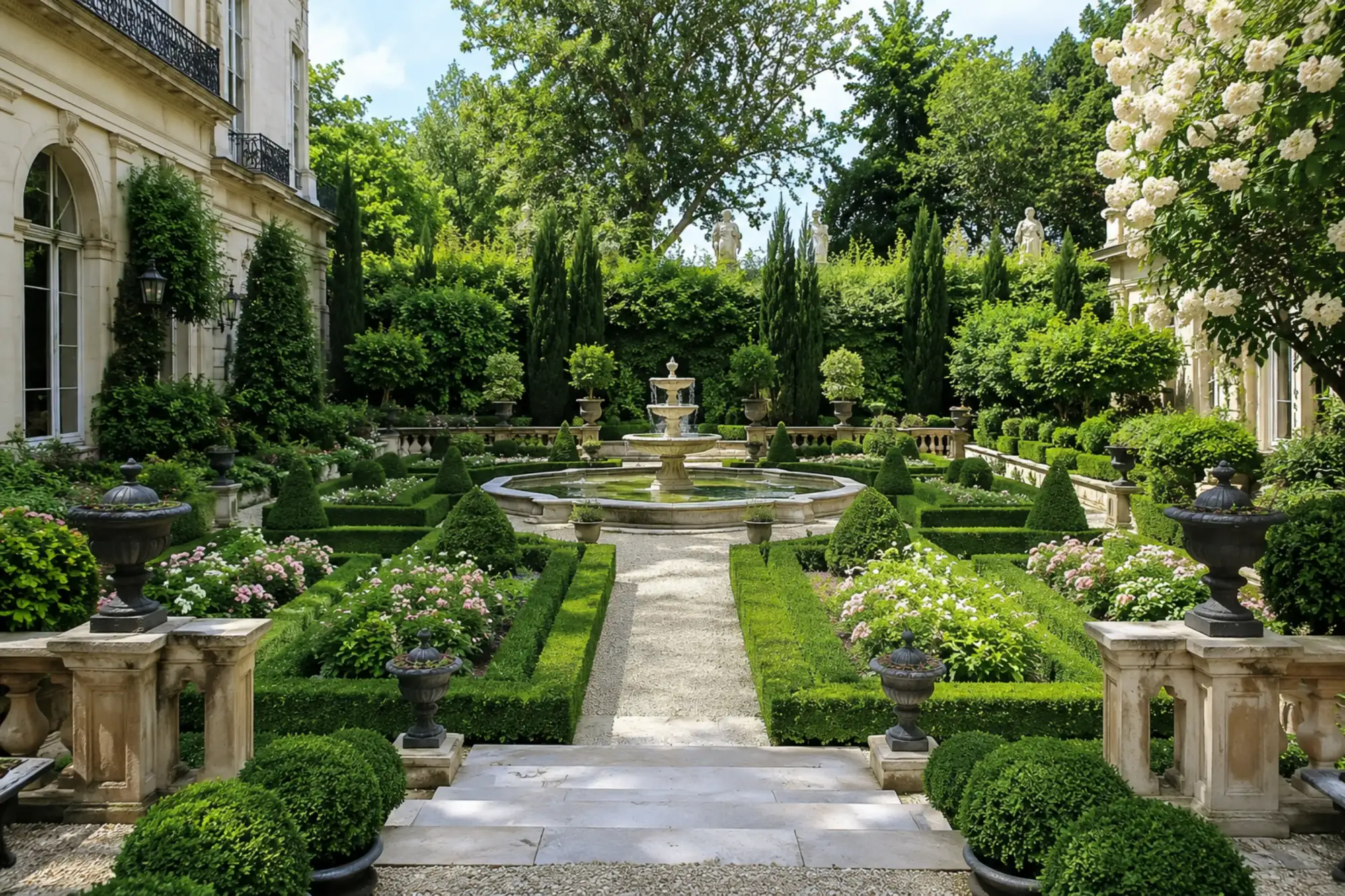
A pathway feels more refined and connected when low plants, flowers, and greenery are arranged neatly along both sides
9. Use Walls and Fences to Add More Greenery
If the yard is not very large, walls and fences are useful places to add more greenery. You can use climbing plants, hanging shelves, vertical green panels, or potted plants placed along the wall to create a vertical garden effect. This helps save floor space while still making the area feel more lively.
Greenery on walls can also help soften the heat, especially in yards with a lot of concrete or tall walls. When combined with soft lighting in the evening, this area can become a beautiful highlight for the outdoor space.
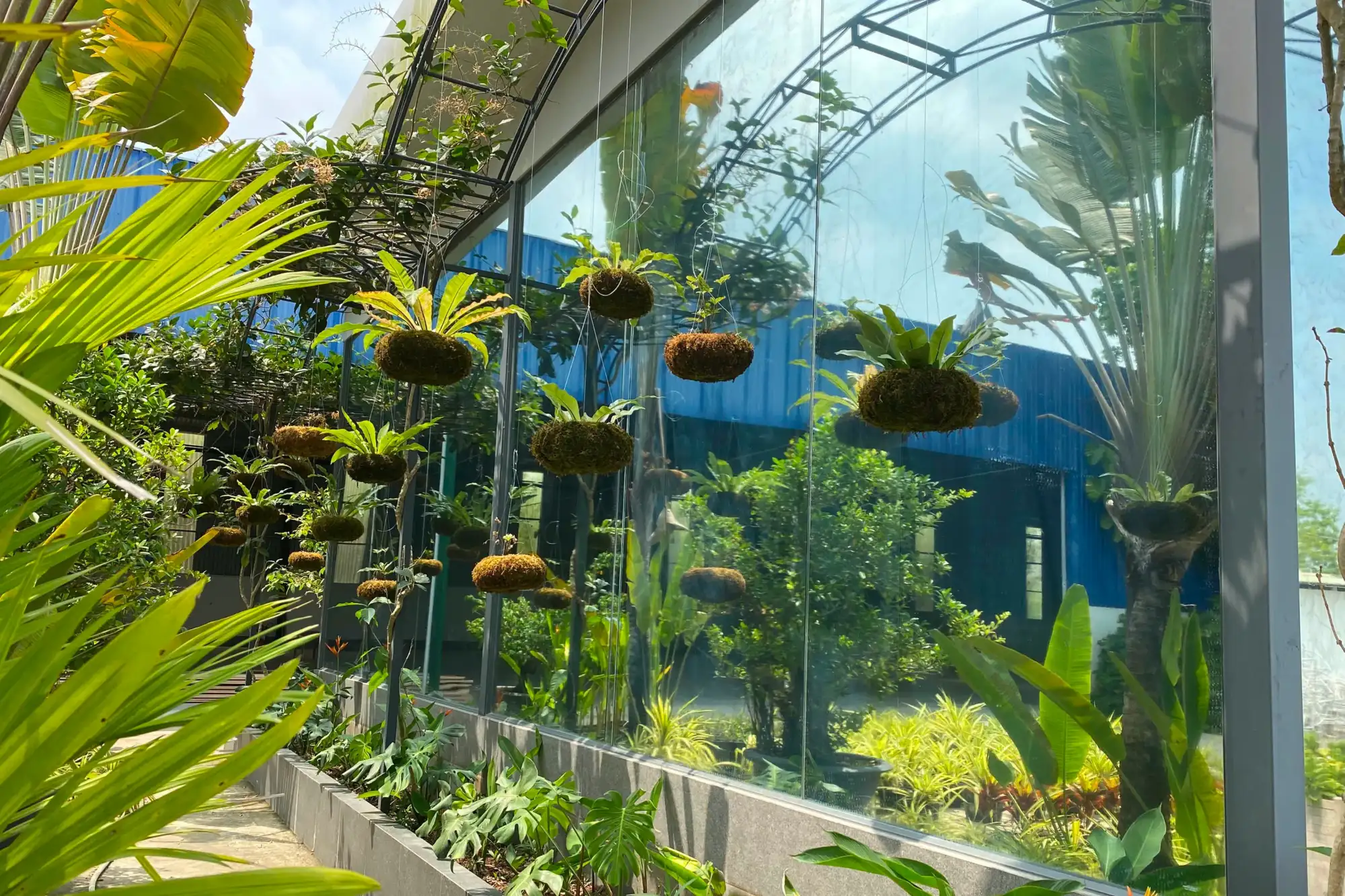
Using walls and fences for greenery helps save floor space while making small yards feel fresher, softer, and more alive
10. Complete the Yard with Lighting, Umbrellas, and Outdoor Accessories
After arranging the plants and seating area, finishing details can make the yard feel more complete. Soft lighting from garden lights, string lights, or uplights can highlight the shape of the plants at night. An outdoor umbrella makes the seating area more comfortable during the day, especially in sunny spaces.
Outdoor rugs, cushions, small tables, or decorative trays can also make the space feel warmer and more welcoming. However, accessories should be used in moderation to avoid making the yard look cluttered. A beautiful outdoor space is one where plants, furniture, and accessories support one another to create a relaxing, tidy, and practical atmosphere.
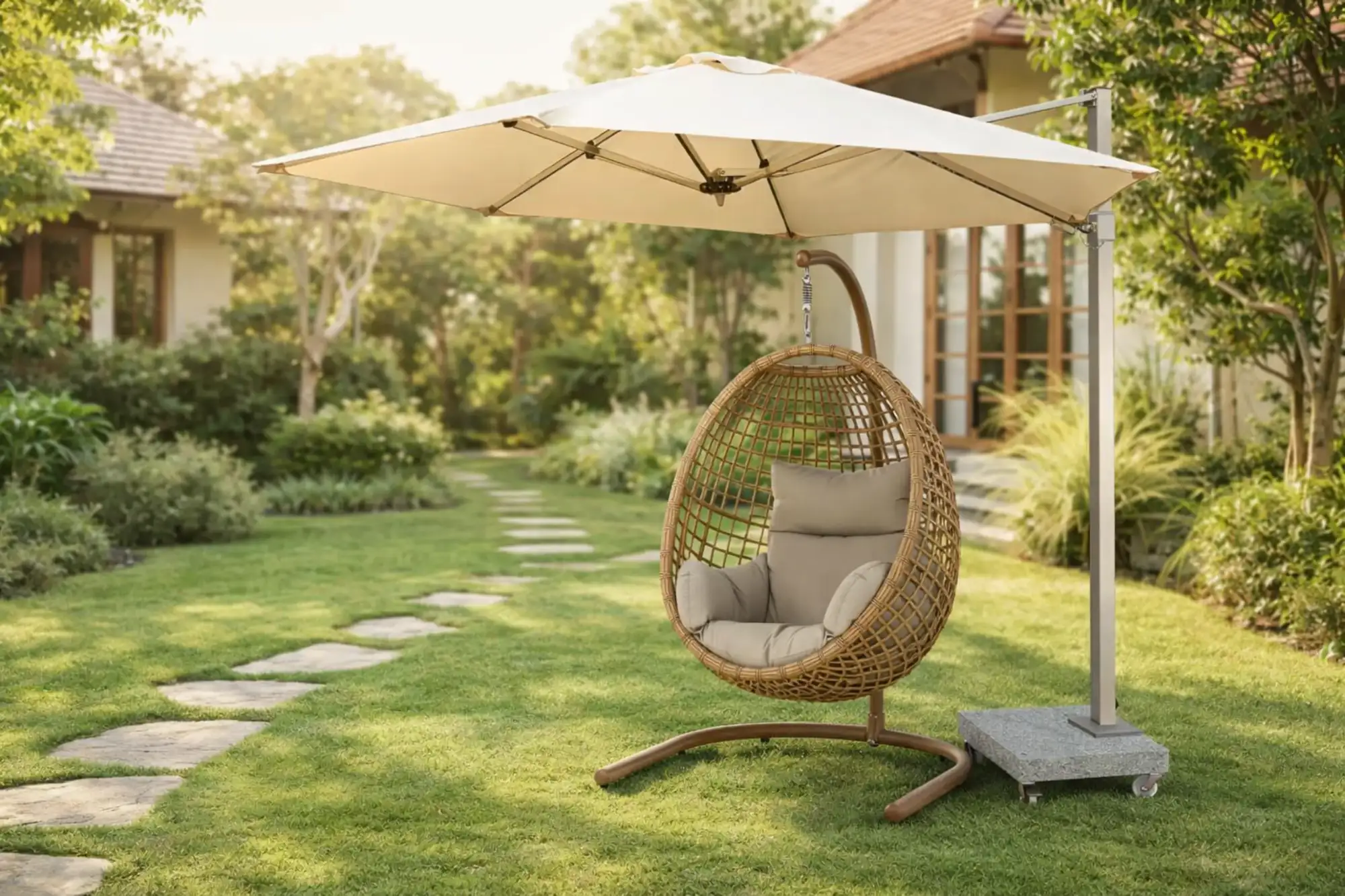
When accessories are used in the right proportion, they support the plants and seating without making the yard feel cluttered