Hotel Outdoor Furniture Buying Guide for Hotels, Resorts, and Commercial Projects
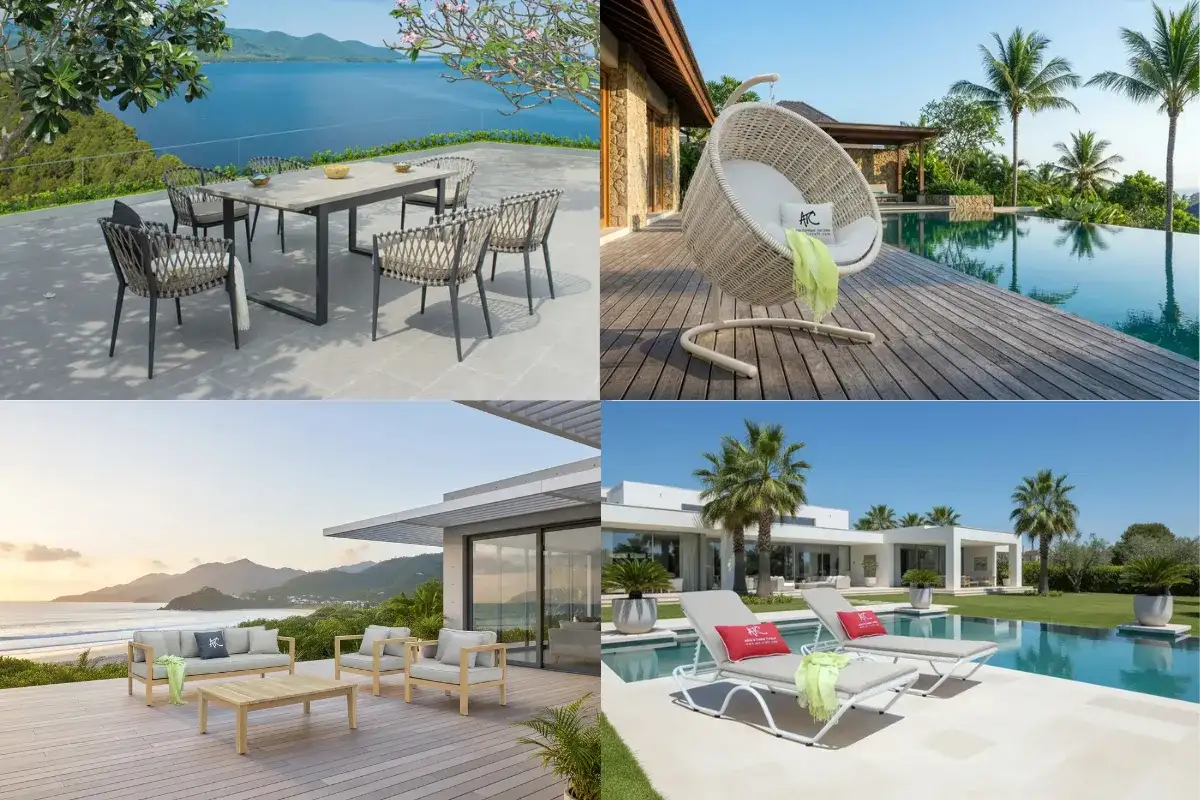
Selecting the right hotel outdoor furniture involves more than choosing attractive designs. Hospitality buyers must balance durability, guest comfort, maintenance, operational efficiency, and long-term costs across different outdoor areas.
Whether you're furnishing a boutique hotel, luxury resort, rooftop bar, or poolside lounge, this guide explains how to define project requirements, choose suitable materials, evaluate suppliers, and plan furniture that performs reliably in commercial environments.
Quick Hotel Outdoor Furniture Buying Guide
|
Project Area |
Recommended Furniture |
Recommended Materials |
|
Poolside |
Sun loungers, side tables |
Powder-coated aluminum, Textilene |
|
Outdoor Dining |
Dining tables and chairs |
Powder-coated aluminum, teak |
|
Balcony |
Bistro sets |
Aluminum, HDPE wicker |
|
Lounge Area |
Outdoor sofas, coffee tables |
HDPE wicker, rope, teak |
|
Arrival & Lobby |
Lounge seating |
Aluminum, teak |
1. What Hospitality Buyers Need from Outdoor Furniture
Commercial hospitality environments place much greater demands on outdoor furniture than residential spaces. Hotels, resorts, restaurants, and serviced apartments require products that can withstand continuous guest use, frequent cleaning, changing weather conditions, and daily operational movement without compromising appearance or performance.
These requirements often vary depending on the property type, guest expectations, and the environmental conditions of each project.
Selecting commercial-grade furniture instead of residential products helps reduce maintenance costs, extend product lifespan, and provide a more consistent guest experience throughout the property's outdoor spaces.
1.1 Commercial-Grade vs. Residential Furniture
Although residential and commercial furniture may appear similar, they are designed for very different levels of use. Commercial furniture typically features reinforced frames, thicker aluminum tubing, durable powder-coated finishes, and materials tested for UV exposure, corrosion, and heavy daily traffic. Many products are also designed with replaceable components and commercial warranties to support long-term operation.
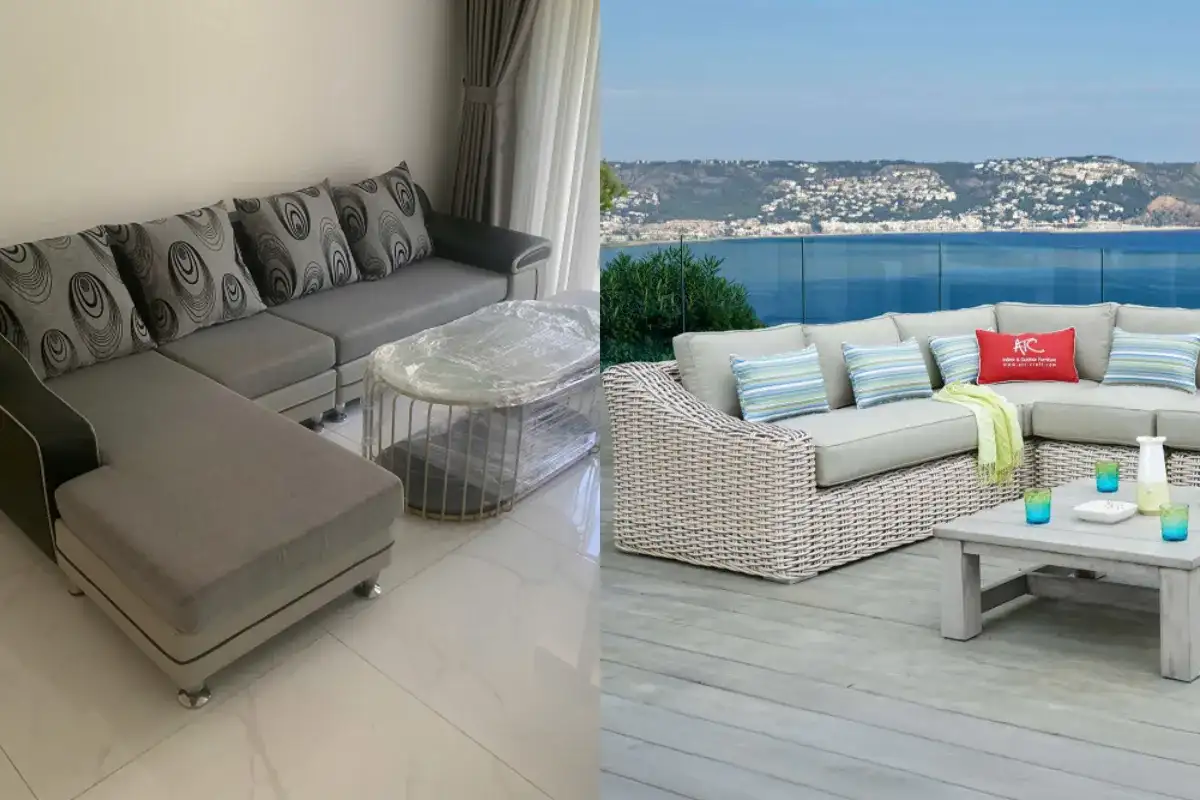
Residential seating suits lighter use, while commercial-grade seating is built for demanding hotel and resort environments.
Residential furniture is generally intended for occasional use and lower maintenance demands. For hotels and resorts, investing in commercial specifications usually results in lower total ownership costs over the product's lifetime.
1.2 Key Buying Considerations
Before selecting hotel outdoor furniture, buyers should define the project's technical and operational requirements. Important factors include:
- Expected guest traffic and frequency of use
- Climate conditions, including UV exposure, humidity, and coastal environments
- Cleaning procedures and maintenance requirements
- Guest comfort and ergonomic design
- Material durability and expected replacement cycles
- Total cost of ownership rather than purchase price alone
Establishing these requirements early provides a clear framework for comparing products and suppliers, helping hospitality teams make purchasing decisions that support both operational performance and long-term project value.
2. Project Requirements: Durability, Comfort, Style Consistency, and Replacement Planning
Successful hospitality projects begin with clear performance requirements rather than selecting furniture directly from a catalog. Before requesting quotations, buyers should define how the furniture will be used, the expected lifespan, maintenance standards, and the visual style they want to achieve across different outdoor spaces.
A well-planned specification not only improves purchasing decisions but also helps suppliers recommend suitable products that match the project's operational needs and budget.
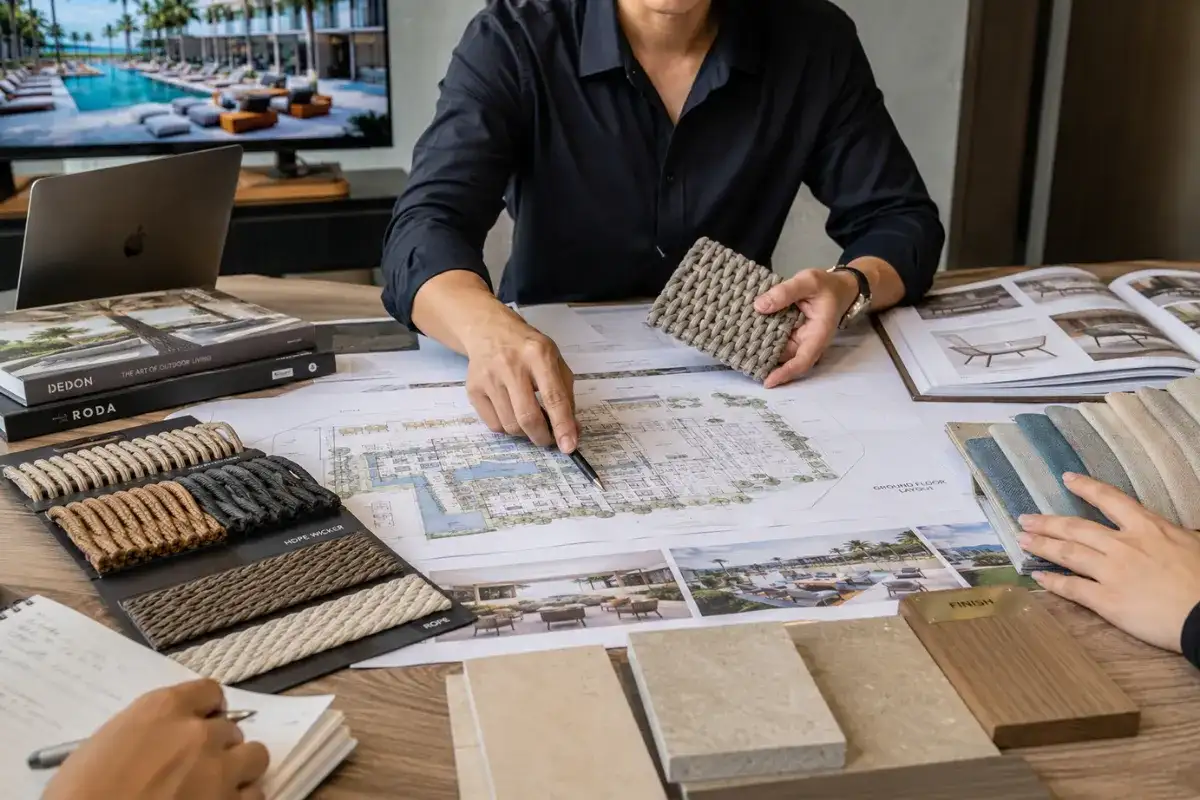
Clear specifications help buyers select the right products for hospitality projects. (Illustration image)
2.1 Defining Performance Standards
Commercial outdoor furniture should meet the functional requirements of the project while maintaining a consistent appearance throughout the property. Buyers should evaluate products based on structural durability, weather resistance, guest comfort, and ease of maintenance instead of focusing only on design.
Typical evaluation criteria include:
- Frame construction suitable for commercial use
- UV and corrosion-resistant finishes
- Comfortable seating dimensions and ergonomic support
- Quick-drying cushions and weather-resistant fabrics
- Consistent colors, materials, and finishes across different outdoor areas
Establishing these standards before sourcing reduces the risk of inconsistent products and simplifies communication with manufacturers during the quotation process.
Quick Specification Checklist
|
Requirement |
Why It Matters |
|
Commercial-grade frame |
Supports frequent daily use |
|
Weather-resistant finish |
Protects against UV, rain, and corrosion |
|
Material specification |
Ensures consistent performance throughout the project |
|
Outdoor fabrics |
Improve durability and simplify maintenance |
|
Consistent finishes |
Maintain brand identity across different areas |
|
Replaceable components |
Reduce long-term maintenance costs |
2.2 Planning for Long-Term Value
Hospitality buyers should evaluate furniture based on its total cost of ownership rather than purchase price alone. While lower-cost products may reduce the initial investment, they often require more frequent repairs, replacement, and maintenance throughout their service life.
When planning a project, consider costs such as:
- Transportation and installation
- Routine cleaning and maintenance
- Replacement cushions or spare parts
- Product replacement over time
- Operational disruptions caused by damaged furniture
Many commercial outdoor furniture collections remain in service for five to ten years or longer, depending on material quality, environmental conditions, and maintenance practices. Planning replacement cycles in advance also allows hotels and resorts to renovate outdoor spaces gradually instead of replacing large quantities of furniture at once.
By evaluating long-term operating costs instead of focusing only on the purchase price, hospitality teams can make more sustainable investment decisions and improve overall project performance.
3. Furniture Categories to Plan by Area
Different outdoor areas serve different functions, so selecting the same furniture throughout an entire property rarely delivers the best results. Matching furniture to each space improves guest comfort, operational efficiency, and the overall appearance of the project.
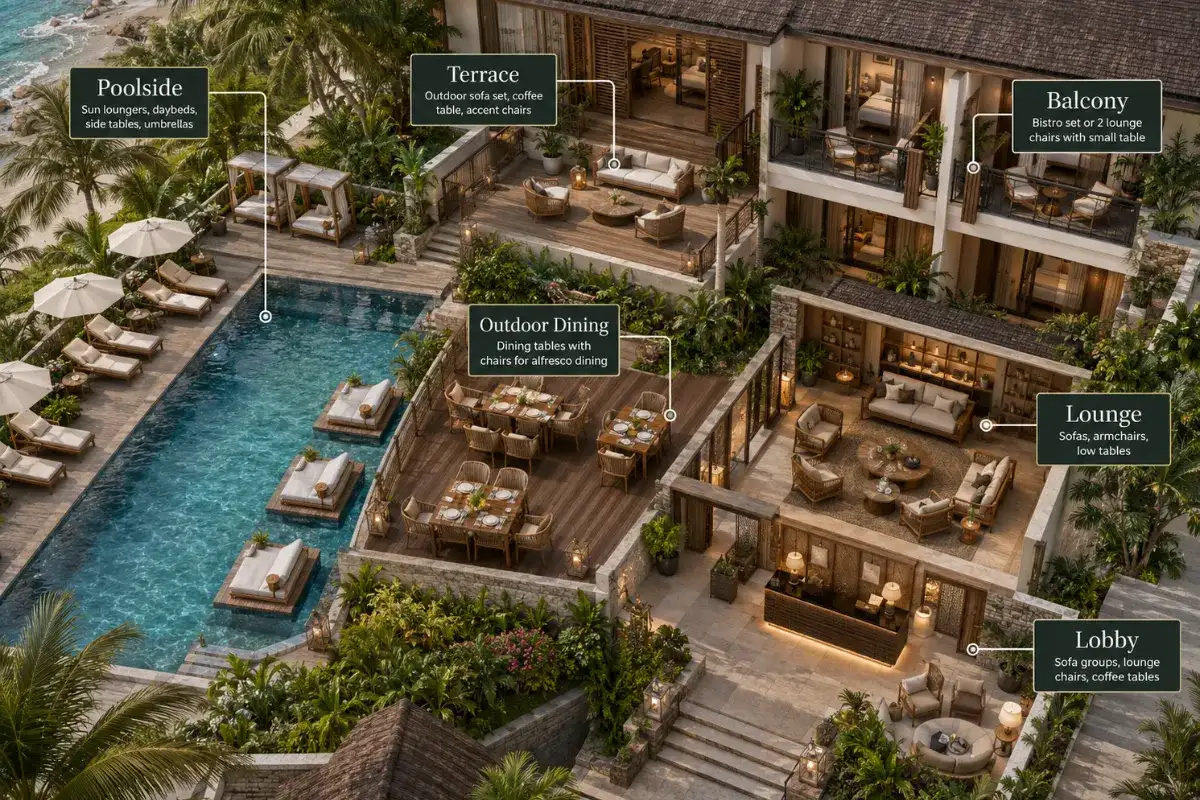
Planning furniture by area improves comfort, function, and design consistency. (Illustration image)
3.1 Choosing Furniture for Different Outdoor Areas
Each hospitality space has its own performance requirements.
|
Area |
Recommended Furniture |
|
Poolside |
Sun loungers, daybeds, side tables |
|
Terrace |
Outdoor sofas, coffee tables, occasional seating |
|
Outdoor Dining |
Dining tables and chairs |
|
Balcony |
Bistro tables and compact seating |
|
Lounge |
Modular sofas, coffee tables |
Poolside furniture should prioritize moisture resistance and quick-drying materials, while dining areas require stable tables and chairs that withstand frequent cleaning. Lounge spaces benefit from modular seating that can be rearranged for different guest activities, whereas balconies often require compact furniture that maximizes limited space without affecting comfort.
3.2 Planning Layout and Quantities
Furniture planning should also consider circulation, storage, and future flexibility. Leave sufficient space for guest movement, housekeeping operations, and accessibility while allowing room for stacking or storing furniture when necessary.
Modular layouts provide additional flexibility for hotels hosting events or seasonal activities. Estimating quantities accurately at the planning stage also helps avoid unnecessary purchases and reduces delays during project installation.
4. Material and Maintenance Considerations
Material selection has a direct impact on furniture durability, maintenance costs, and long-term project performance. Instead of choosing materials based only on appearance, hospitality buyers should evaluate how each option performs under daily commercial use and local environmental conditions.
4.1 Recommended Materials for Hospitality Projects
Different materials offer different advantages depending on where the furniture will be installed.
Material |
Key Advantages |
Best Applications |
Powder-Coated Aluminum |
Lightweight, corrosion-resistant, low maintenance |
Poolside, dining, terrace |
Grade A Teak |
Premium appearance, natural durability |
Luxury dining, lounge areas |
HDPE Wicker |
UV-resistant, weatherproof, easy to maintain |
Resorts, poolside lounges |
Textilene |
Breathable, quick drying |
Sun loungers, dining chairs |
316 Stainless Steel Hardware |
Excellent corrosion resistance |
Coastal and poolside projects |
For most hospitality projects, combining materials often delivers the best balance between durability, aesthetics, and maintenance. For example, powder-coated aluminum frames paired with HDPE wicker or Textilene create furniture that performs well in demanding outdoor environments while remaining easy to maintain.
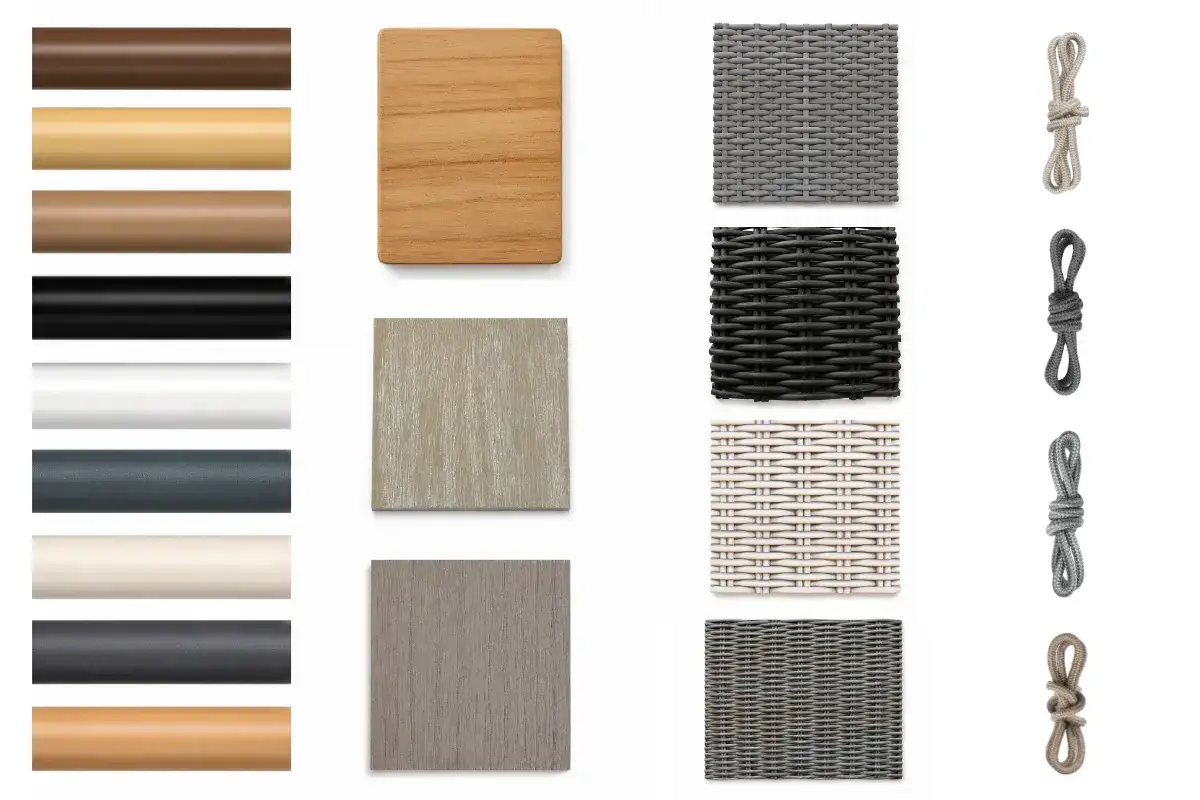
Combining materials balances durability, aesthetics, and maintenance.
4.2 Maintenance Planning
Even high-quality commercial furniture requires routine maintenance to maximize its lifespan. A simple maintenance schedule helps preserve appearance while reducing repair and replacement costs.
Buyers should plan for:
- Regular cleaning to remove dirt, salt, and chlorine residue
- Periodic inspection of frames, fasteners, and surface finishes
- Replacement of worn cushions, glides, or other removable components
- Proper storage or protective covers during severe weather when appropriate
Furniture manufactured with commercial-grade materials generally requires less maintenance and delivers better long-term value, especially in hotels and resorts with high occupancy rates.
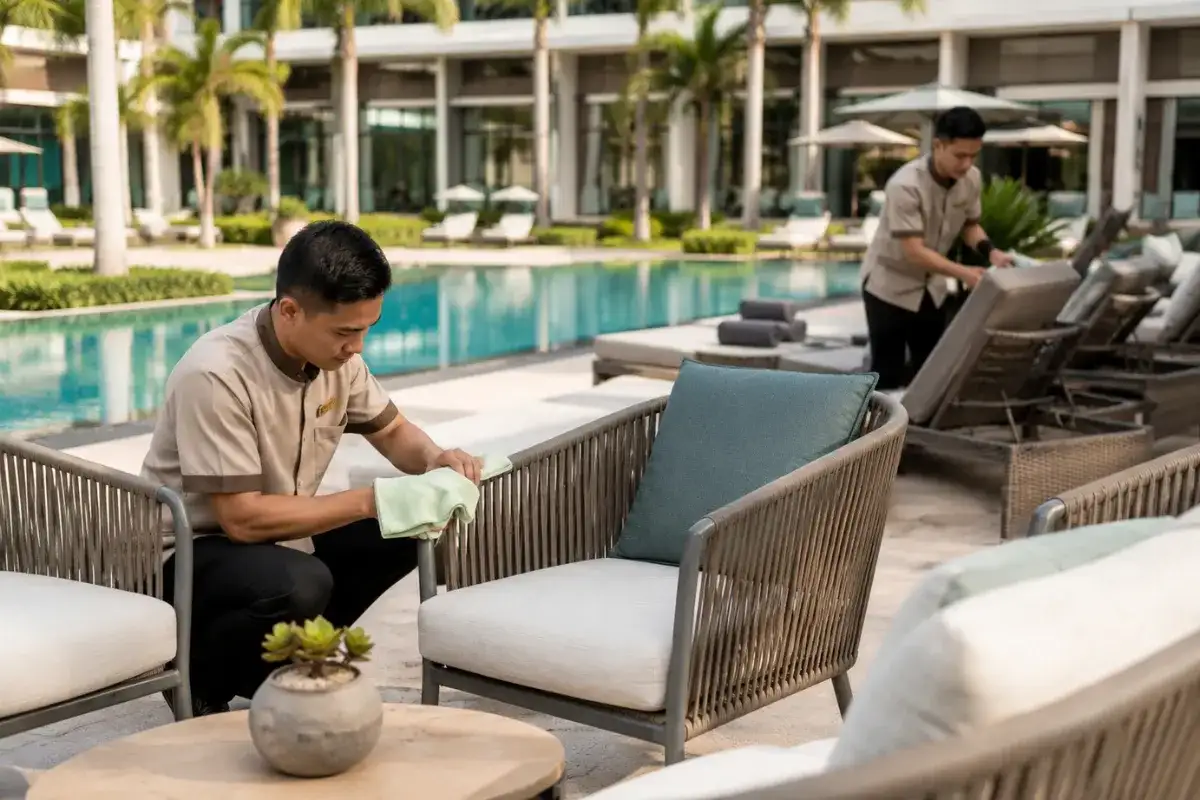
Regular maintenance extends the lifespan of commercial outdoor seating.
(Illustration image)
5. Questions to Ask Before Choosing a Supplier
Selecting the right hotel furniture supply partner is just as important as selecting the right furniture. Asking detailed questions before placing an order helps buyers evaluate manufacturing capability, product quality, and long-term support.
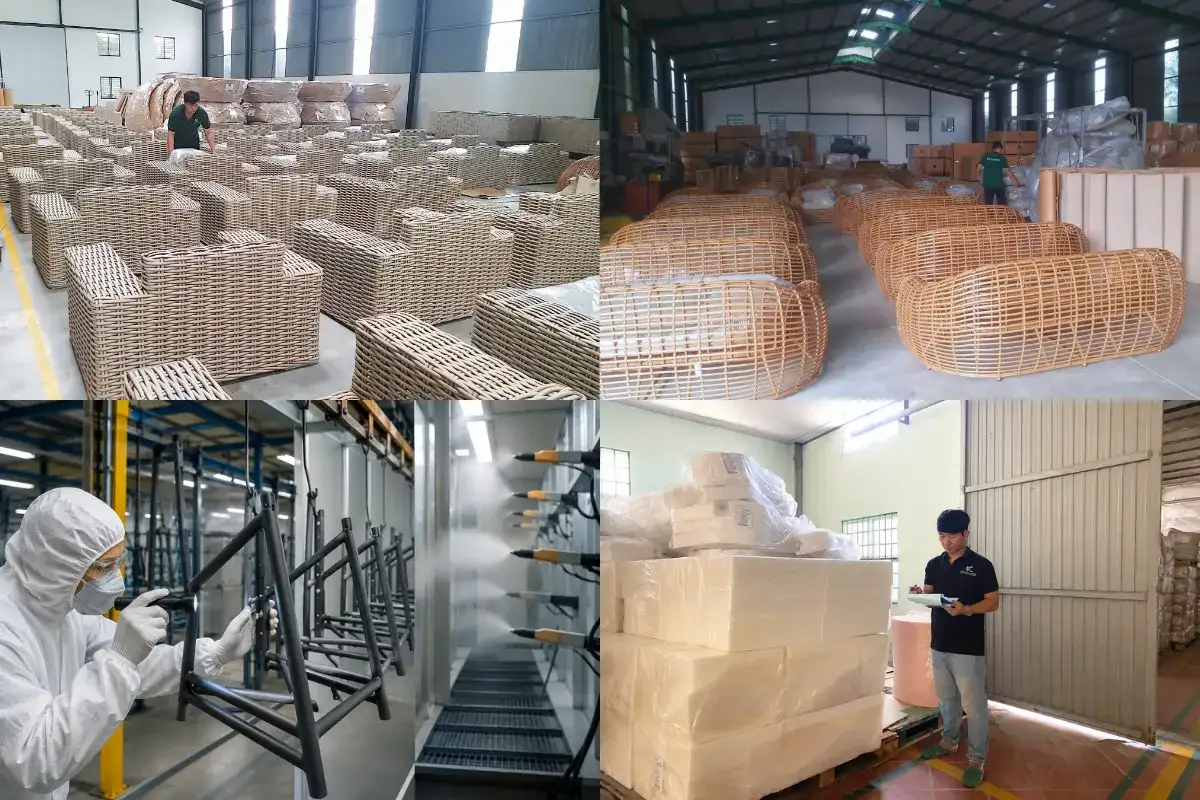
A reliable supplier ensures consistent production, inspection, and delivery standards.
5.1 Manufacturing and Quality Questions
Before requesting a quotation, confirm the supplier can meet both your quality expectations and project schedule.
Supplier Evaluation Checklist
☐ Can the factory handle the required production volume?
☐ What are the standard production lead times?
☐ Are third-party test reports available for UV resistance, corrosion resistance, and load capacity?
☐ What commercial warranty is provided?
☐ Can materials, finishes, or dimensions be customized?
These questions help buyers compare suppliers using consistent criteria rather than relying only on pricing.
5.2 Logistics and After-Sales Support
Large hospitality projects also require reliable logistics and ongoing support after delivery.
Buyers should confirm:
- Packaging methods for export and project deliveries
- Sample approval process before mass production
- Availability of replacement parts such as cushions, glides, and hardware
- Procedures for warranty claims and after-sales service
A supplier with strong project management, quality control, and after-sales support can significantly reduce purchasing risks while helping hospitality projects stay on schedule.
6. ATC Craft Project Capabilities
Hospitality projects require more than high-quality furniture. Buyers also need a manufacturing partner capable of maintaining consistent quality, supporting project schedules, and adapting products to different commercial requirements.
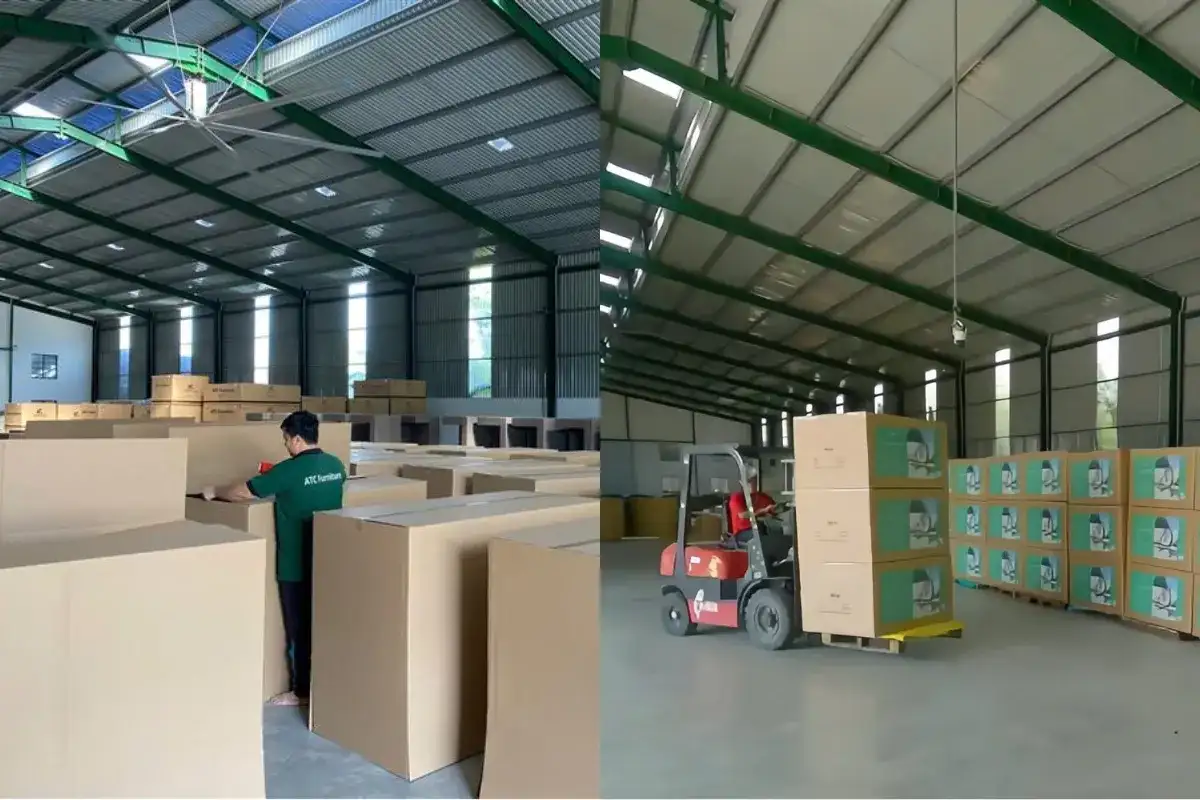
Production capacity supports consistent quality and reliable project schedules.
6.1 Manufacturing for Hospitality Projects
As one of the experienced hotel furniture manufacturers, ATC Craft produces commercial outdoor furniture for hotels, resorts, restaurants, and other hospitality projects. Production is supported by structured quality control processes, helping ensure consistent workmanship across both standard collections and large-volume orders.
The team also works closely with buyers during product selection, sample approval, and production planning to help projects meet both functional and aesthetic requirements.
6.2 Customization and Project Support
Different hospitality projects often require customized finishes, materials, dimensions, or branding. ATC Craft supports OEM and ODM manufacturing, allowing customers to tailor furniture to their design standards while maintaining consistent quality throughout production.
Combined with project coordination and export experience, this approach helps simplify sourcing for hospitality buyers managing both new developments and renovation projects.
7. Frequently Asked Questions
7.1 What is the best material for hotel outdoor furniture?
Powder-coated aluminum, Grade A teak, HDPE wicker, and Textilene are among the most commonly used materials because they offer excellent durability and weather resistance for commercial environments.
7.2 How long does commercial outdoor furniture typically last?
High-quality commercial furniture generally lasts 5–10 years or longer, depending on the materials, environmental conditions, and maintenance program.
7.3 What should hotels consider before choosing an outdoor furniture supplier?
Buyers should evaluate manufacturing capacity, product quality, commercial warranties, customization options, lead times, and after-sales support rather than comparing price alone.
7.4 Why is total cost of ownership more important than purchase price?
Furniture with a higher initial cost often delivers better long-term value through lower maintenance, fewer replacements, and longer service life, reducing overall operating expenses.