Top 10 Beautiful Flowers for Decorating Your Front Garden
When decorating a flower garden, you should not choose flowers based only on your favorite colors. Each type of flower has its own growing needs. Some love full sun, some require well-drained soil, some are perfect for pathway borders, while others look better when planted in clusters or displayed in pots. With the right combination, your flower garden can be easy to care for while keeping its natural beauty for a long time.
1. Roses
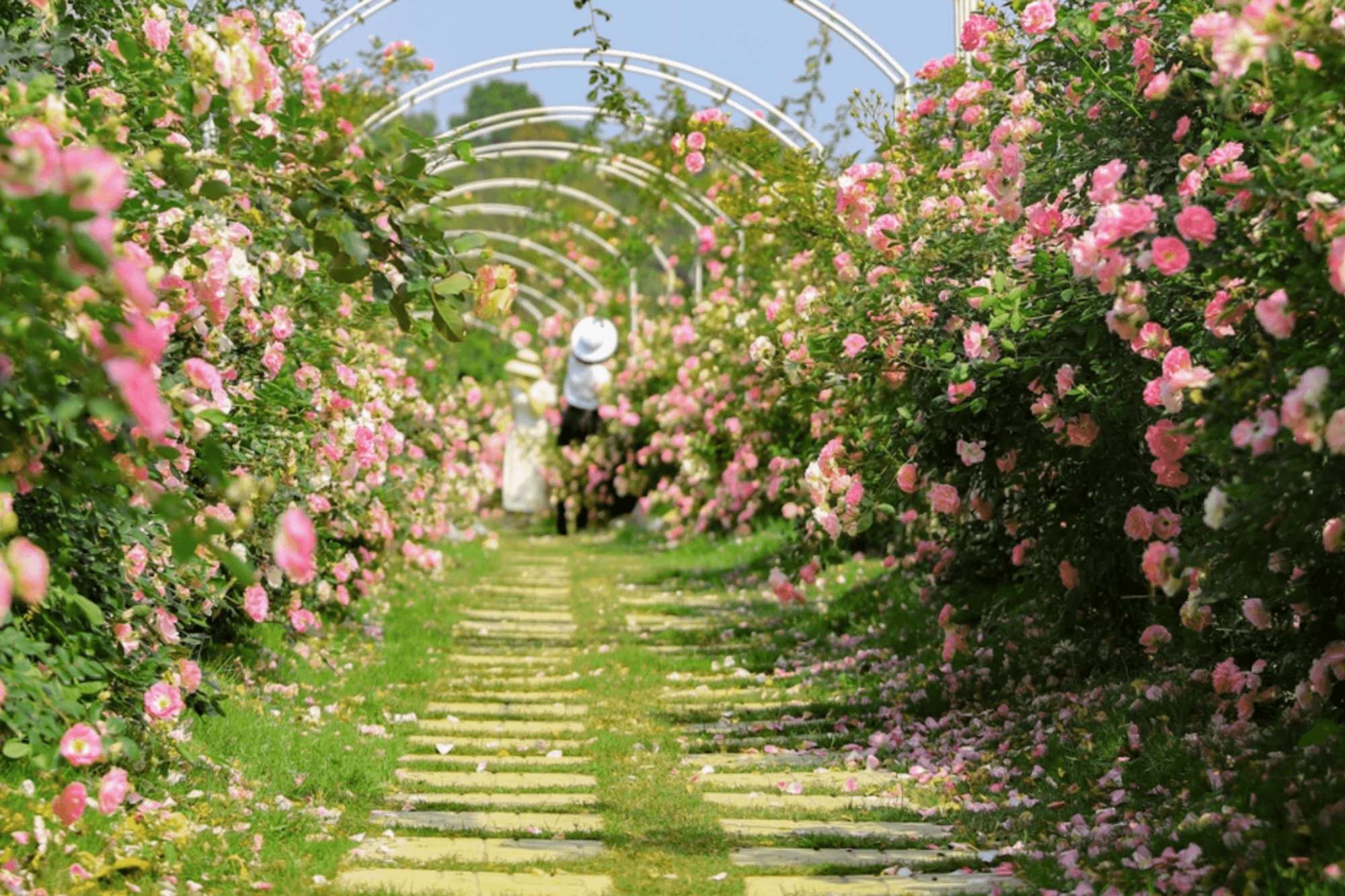
Roses come in many colors and varieties, and they are loved for their elegant and soft appearance. They can be grown as bushes, planted in large pots, or trained as climbing roses around gates, fences, and patios.
Advantages: Roses have strong decorative value and can easily become the highlight of a front garden. With proper care, they can bloom several times throughout the year. Their wide range of colors also makes them easy to match with different garden styles, from classic to modern.
Disadvantages: Roses need plenty of sunlight, well-drained soil, and regular pruning. They can also be affected by pests, leaf fungus, or aphids if the environment is too humid or if they are not cared for properly.
2. Bougainvillea
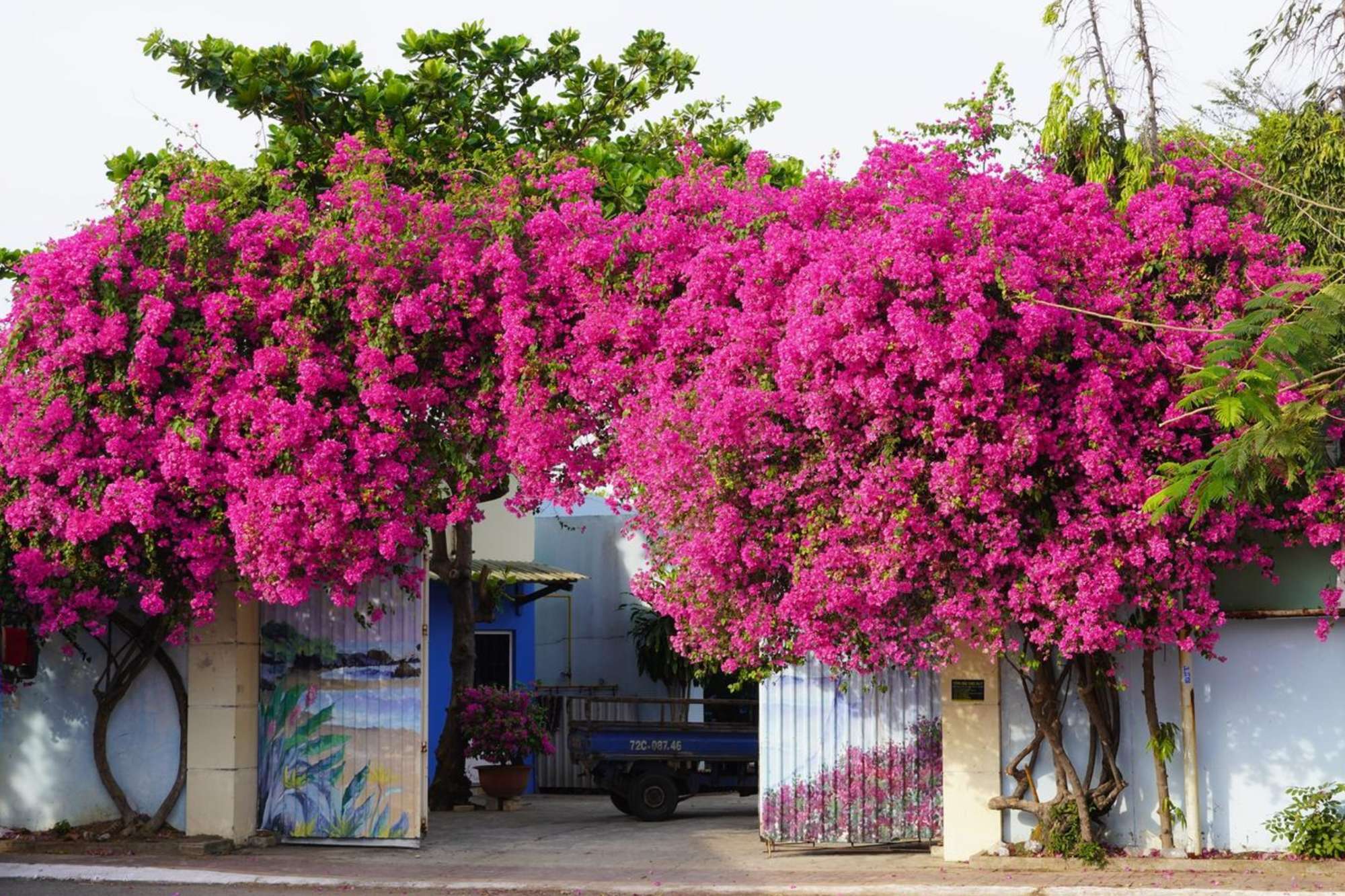
Bougainvillea is a climbing or woody shrub plant that tolerates strong sunlight well and often produces very vibrant flowers. It is commonly grown around gates, fences, balconies, or outdoor trellises.
Advantages: Bougainvillea is easy to grow, sun-loving, and does not require too much watering. It can create large, colorful displays that make the garden look lively. This flower is especially suitable for warm climates and can brighten up the outdoor space without needing complicated care.
Disadvantages: Bougainvillea branches have thorns, so you need to be careful when pruning or placing the plant near walkways. If not controlled, it can grow too thick, block natural light, or make the space look less tidy.
3. Hydrangeas
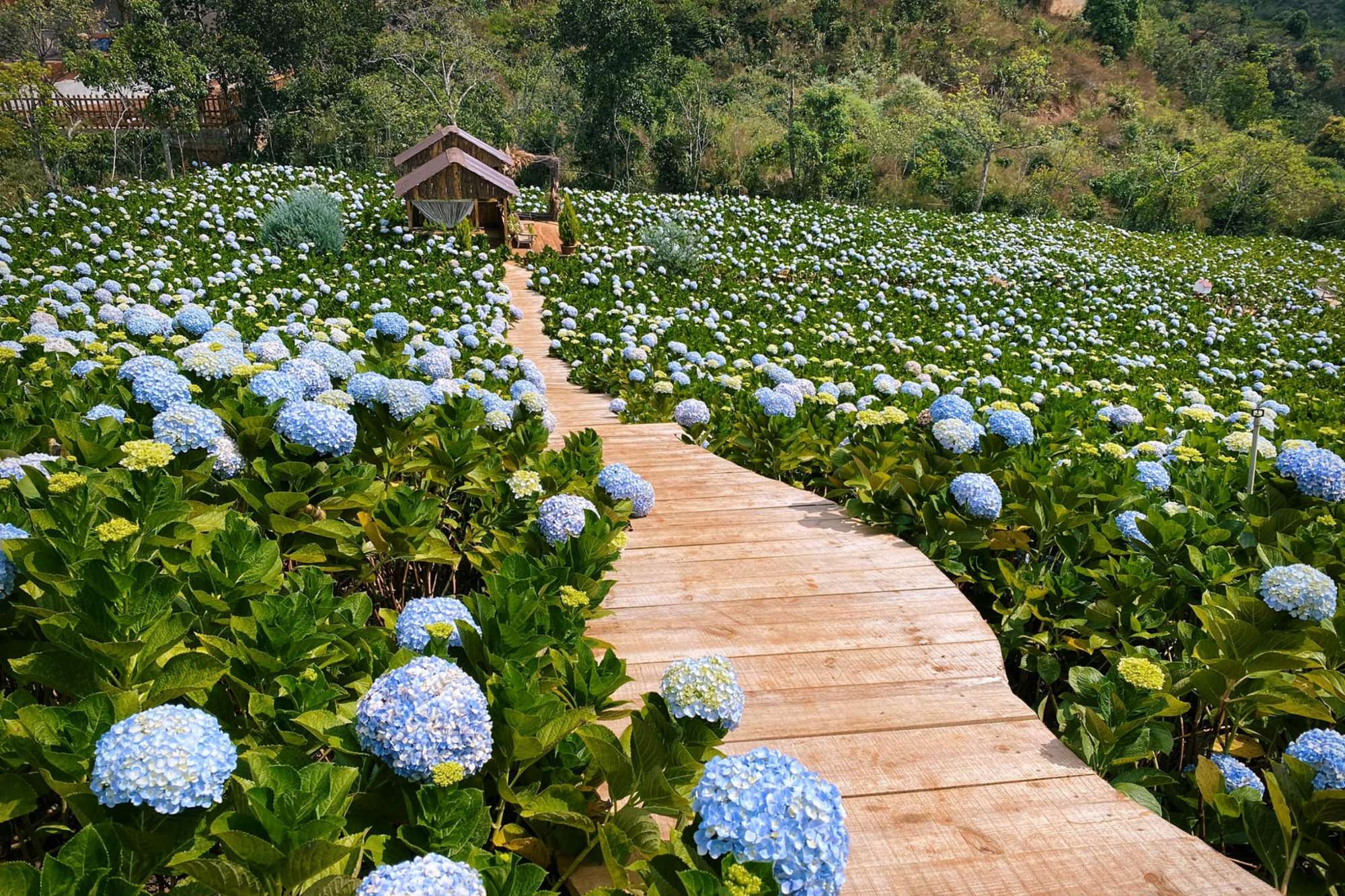
Hydrangeas have large round flower clusters in soft colors such as blue, pink, light purple, and white. This flower is often suitable for gardens with a gentle, romantic, and elegant style.
Advantages: Hydrangeas bring a refined look and are especially beautiful when planted in groups near pathways, fences, or seating areas. Their soft colors make the space feel calm and graceful without looking too bright, while still creating a clear focal point.
Disadvantages: Hydrangeas do not handle harsh sunlight as well as some other flowers. They need moist soil, stable drainage, and a spot with gentle light. If planted in an area that is too hot or too dry, the flowers may wilt and the plant may not grow well.
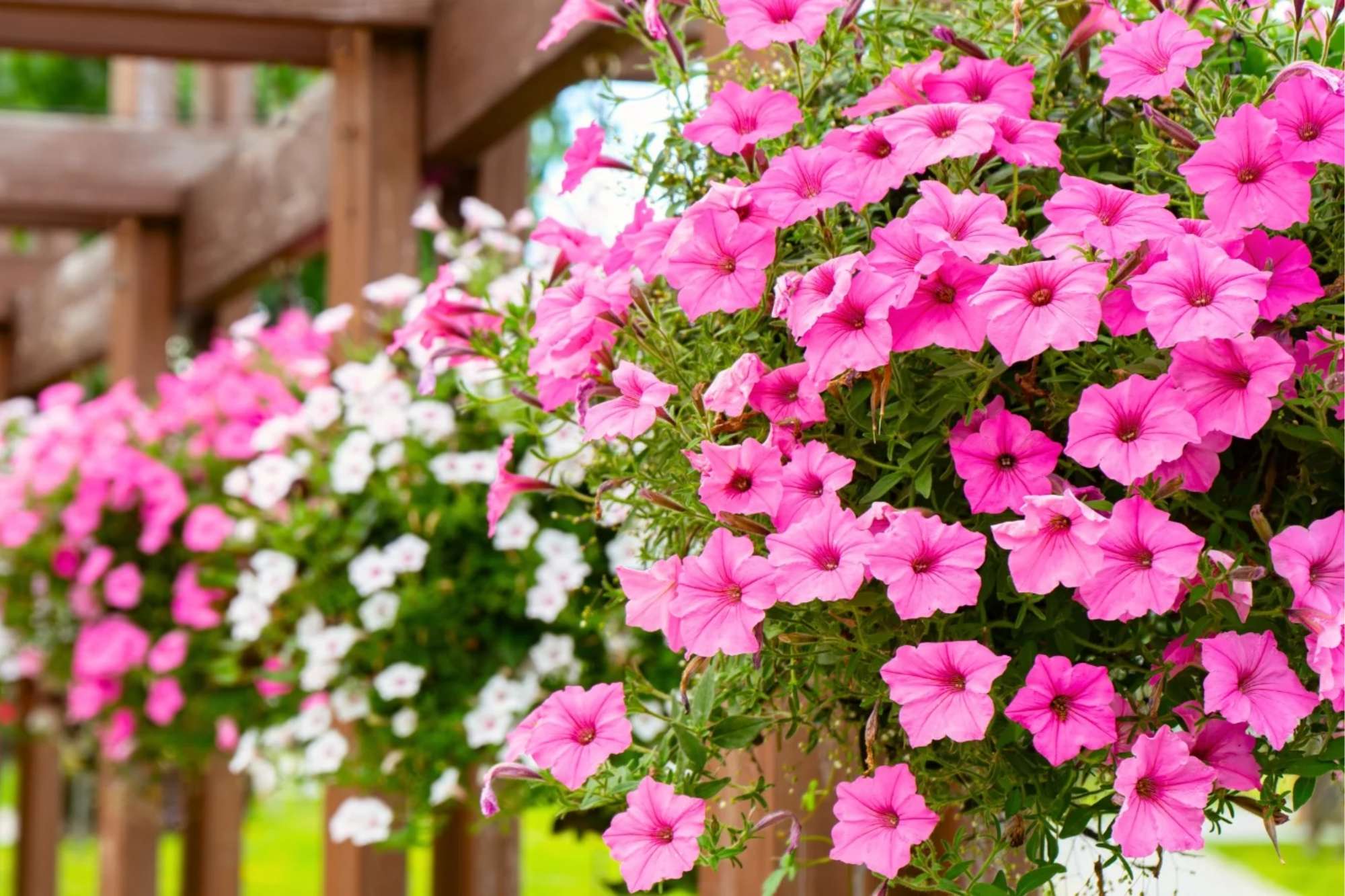
4. Petunias
Petunias are soft-stemmed flowers often grown in hanging baskets, long planters, or low flower beds. They come in many colors such as purple, pink, white, and red, bringing a cheerful feeling to the space.
Advantages: Petunias are ideal for decorating balconies, patios, front steps, or pathways. They bloom beautifully, come in many colors, and do not take up much space. When planted in hanging baskets, the flowers fall gently over the edge, making the space look more lively and charming.
Disadvantages: Petunias are quite sensitive to heavy rain and waterlogging. They should be placed in a well-ventilated area with moderate sunlight. Removing faded flowers regularly also helps keep the plant in good shape. Without proper care, the plant may become thin and produce fewer flowers.
5. Lavender
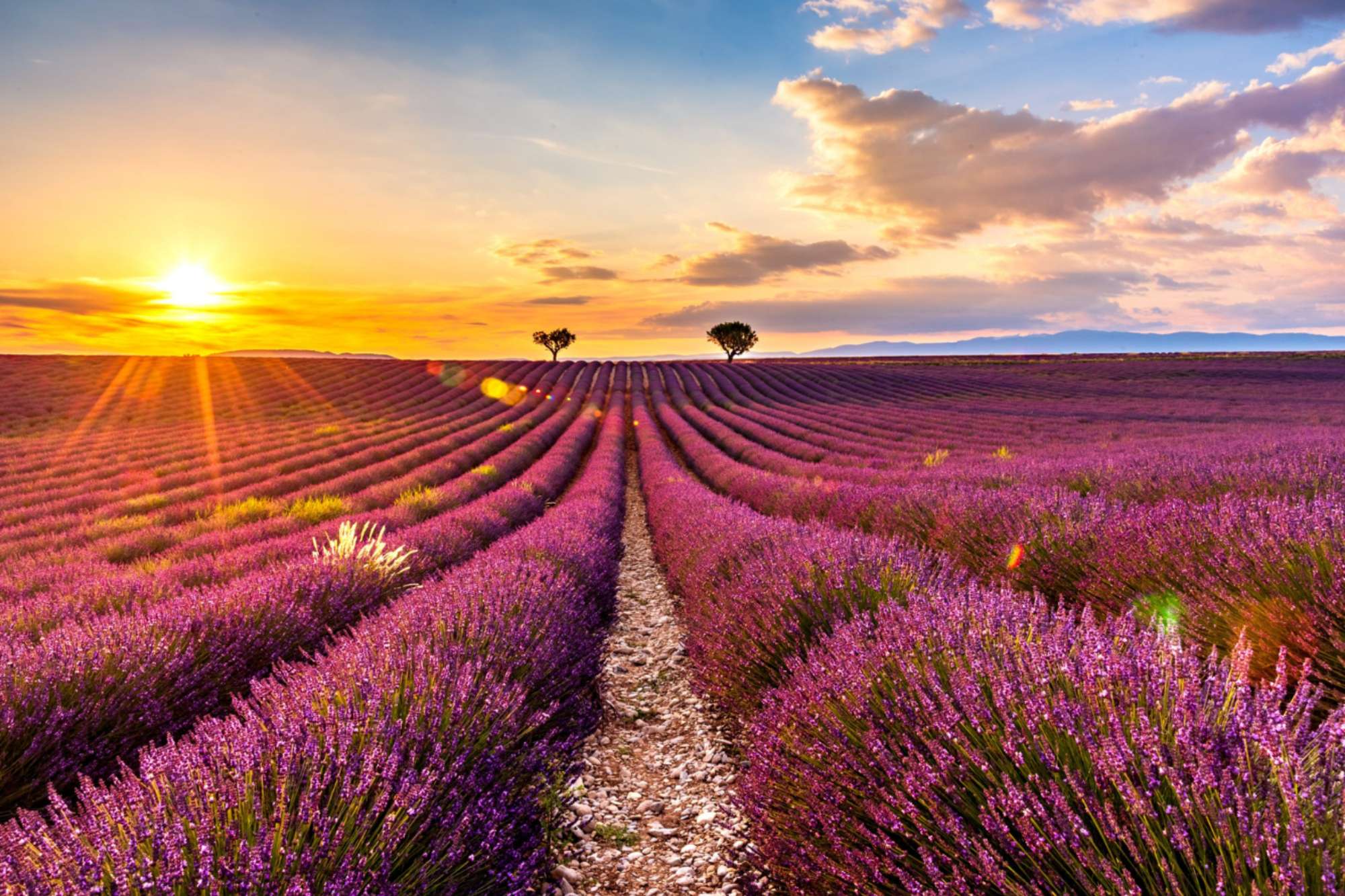
Lavender has a signature purple color, slender stems, and a light fragrance. This flower is often associated with European-style gardens, minimalist spaces, and relaxing outdoor corners.
Advantages: Lavender offers a refined look and a pleasant scent. It is very suitable for planting along pathways, in pots, or around outdoor seating areas. When paired with white gravel, wood, or neutral-colored furniture, lavender helps the space feel calm, stylish, and well put together.
Disadvantages: Lavender needs plenty of sunlight and very well-drained soil. It does not like overly damp conditions, so it can be difficult to grow in places with frequent rain or soil that holds too much water. Overwatering may cause root rot.
6. Peonies
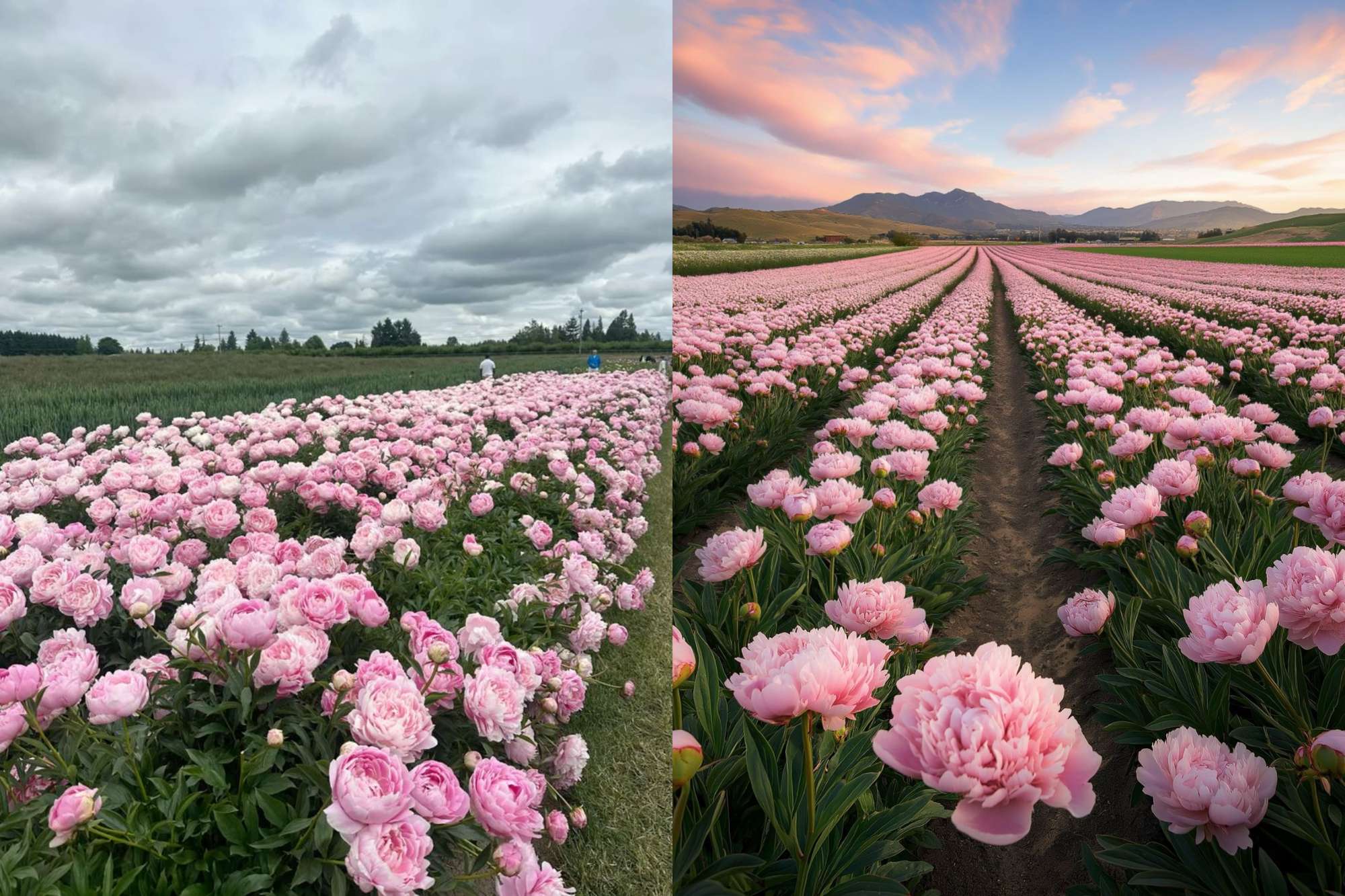
Peonies have large blooms with many layers of petals, giving them a full and eye-catching look. This flower is suitable for gardens that need a graceful touch and a more elegant focal point.
Advantages: Peonies are visually striking and can easily draw attention near the entrance, patio, or outdoor guest area. Colors such as soft pink, white, deep red, or pale yellow can make the flower garden feel gentle and refined.
Disadvantages: Some peony varieties require careful growing conditions, especially in terms of light, soil, and moisture. Because the flowers are large, they can be affected by heavy rain or strong wind. If the variety is not suitable for the local climate, the plant may not bloom evenly.
7. Chrysanthemums
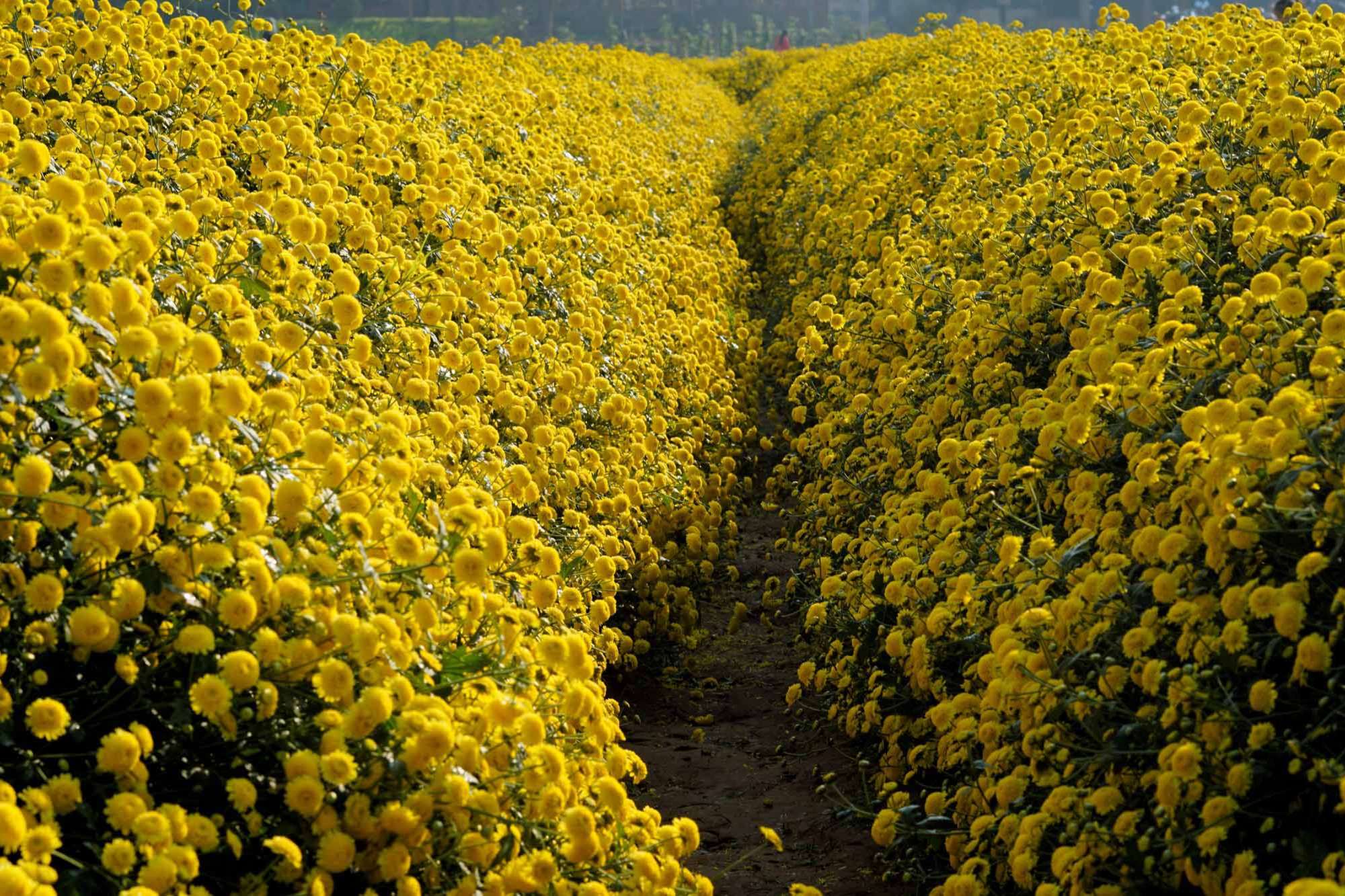
Chrysanthemums come in many varieties and colors. They are often planted in pots, flower beds, or garden rows. This is a familiar flower that works well in many garden styles.
Advantages: Chrysanthemums are easy to grow, rich in color, and suitable for many times of the year, especially festive seasons such as Lunar New Year. They can make the front yard feel warm, bright, and welcoming. Some smaller varieties are also great for borders or pathway decoration.
Disadvantages: Chrysanthemums need regular trimming and removal of faded flowers to maintain their appearance. Some varieties may lose their shape quickly after the blooming season. If planted too closely, the plants may lack airflow and become more likely to develop pests or disease.
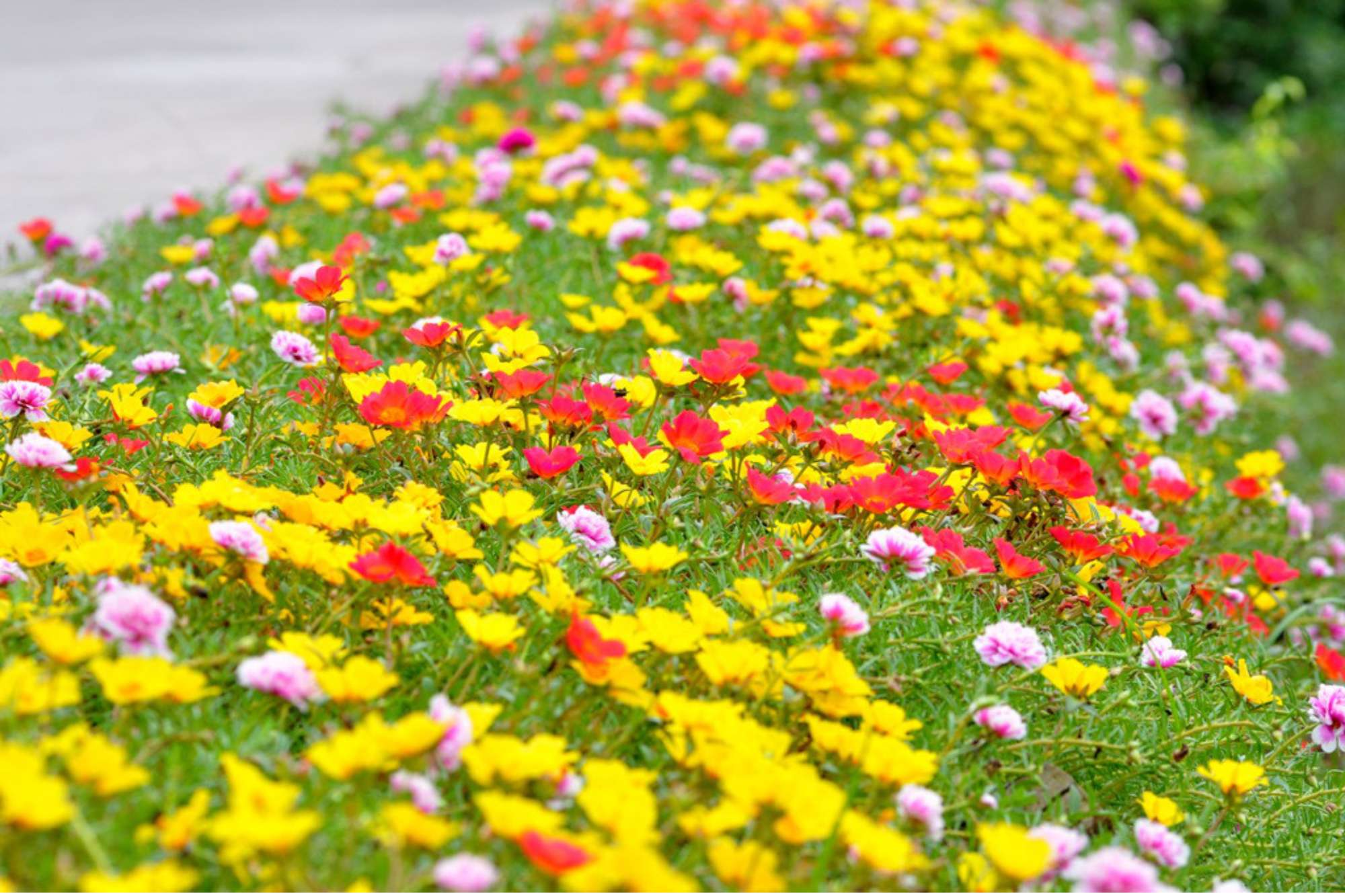
8. Moss Roses
Moss roses are low-growing flowers that usually bloom brightly under sunlight. They come in many colors, including pink, yellow, orange, red, and white, and are often used as ground-cover flowers or border plants.
Advantages: Moss roses are very easy to grow, tolerate sun well, and do not require much care. They are suitable for front yards, low flower beds, pathway borders, or small patches of soil that need extra color. When planted as a colorful carpet, they create a lively and friendly garden effect.
Disadvantages: Because moss roses grow low to the ground, they do not create much height in the garden. They bloom best under sunlight and may look less noticeable on cloudy days. If planted in an area that is too damp, they may become waterlogged or produce fewer flowers.
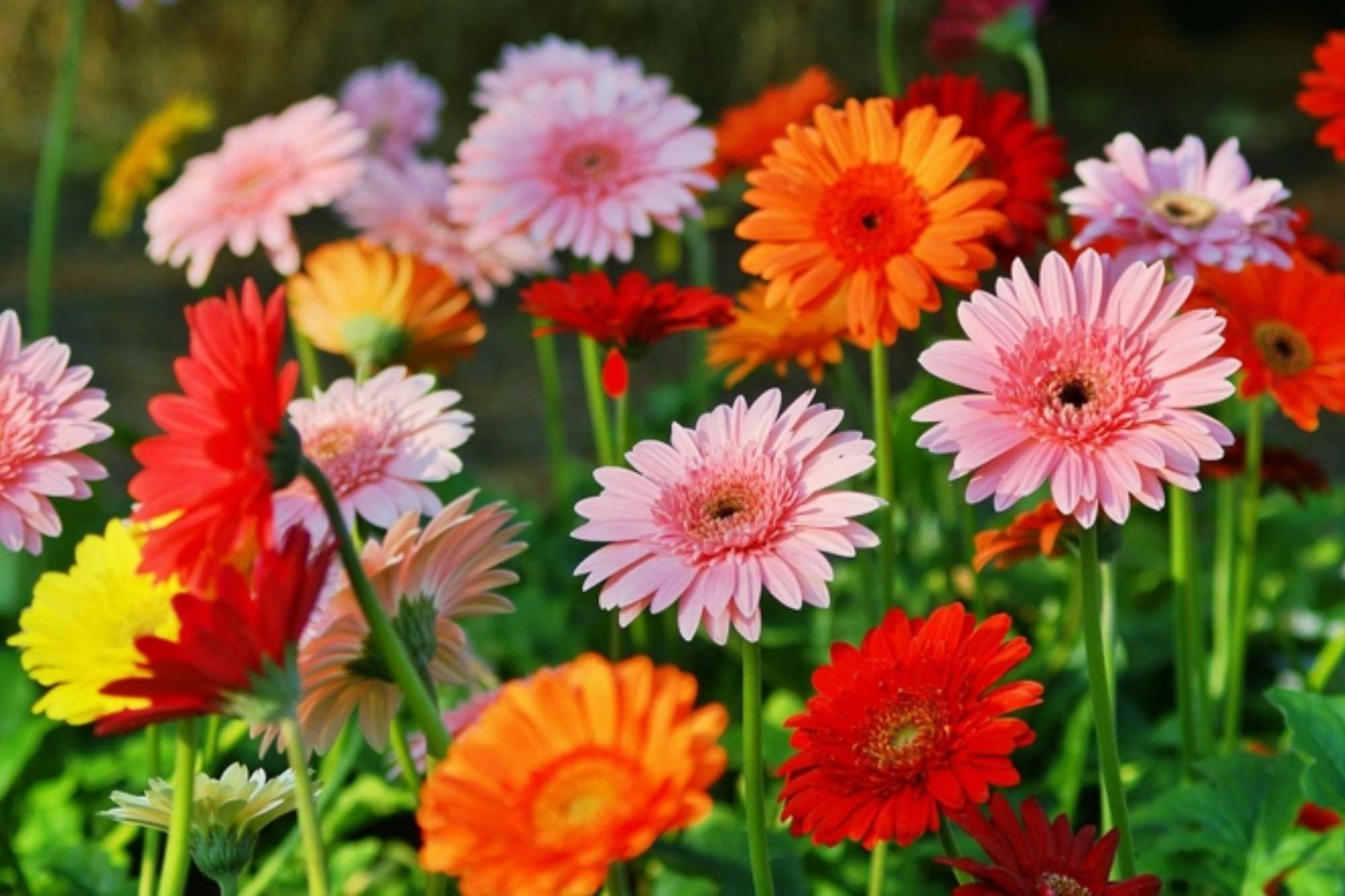
9. Gerbera Daisies
Gerbera daisies have round blooms, long petals, and bright colors such as red, orange, yellow, pink, and white. They often bring a cheerful, youthful, and eye-catching look to the garden.
Advantages: Gerbera daisies are great for creating highlights near entrances, flower beds, or decorative pots in the yard. Their bright colors make the space feel fresher and more energetic. They also pair well with low green foliage plants to create a balanced look.
Disadvantages: Gerbera daisies need good light but should not be exposed to harsh direct sunlight for too long. They also require well-drained soil because the roots can rot if the soil is too wet. The flowers may fade quickly if they are not cared for properly.
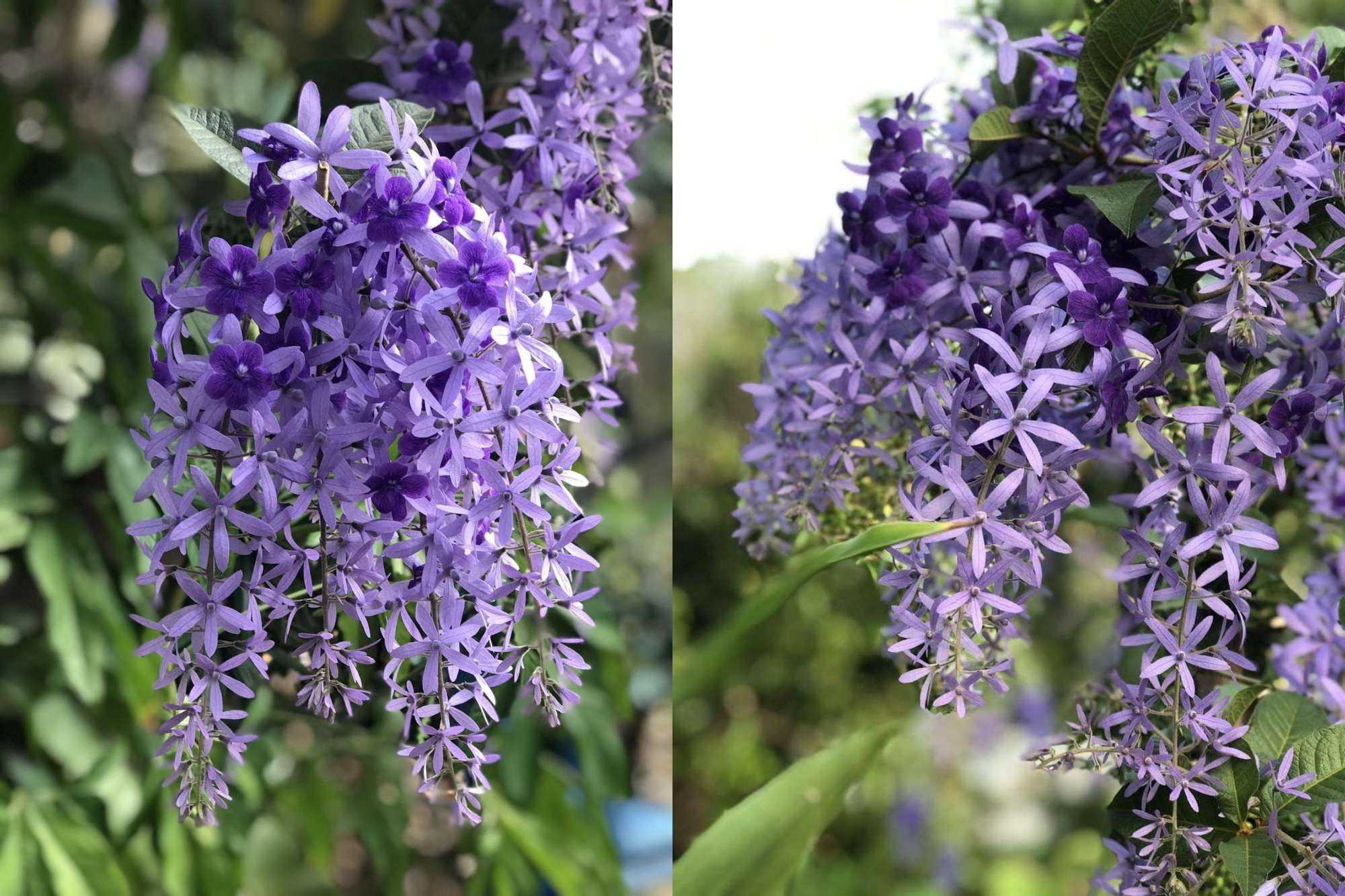
10. Blue Sky Vine
Blue sky vine is a climbing plant with soft blue-purple flower clusters. It is often used to decorate gates, fences, trellises, or garden walls. When blooming fully, the plant creates a soft and eye-catching floral display.
Advantages: Blue sky vine adds height and coverage to the garden, making it a good choice for softening fences, gates, or large wall areas. Its blue-purple flowers create a gentle and romantic feeling, and they combine easily with surrounding greenery.
Disadvantages: Since it is a climbing plant, blue sky vine needs a strong trellis or support frame. Without regular pruning, it can grow too thick and become difficult to control. It should also be placed carefully to avoid blocking too much light or making the space feel too dense.