All Weather Wicker Material: What B2B Buyers Should Know
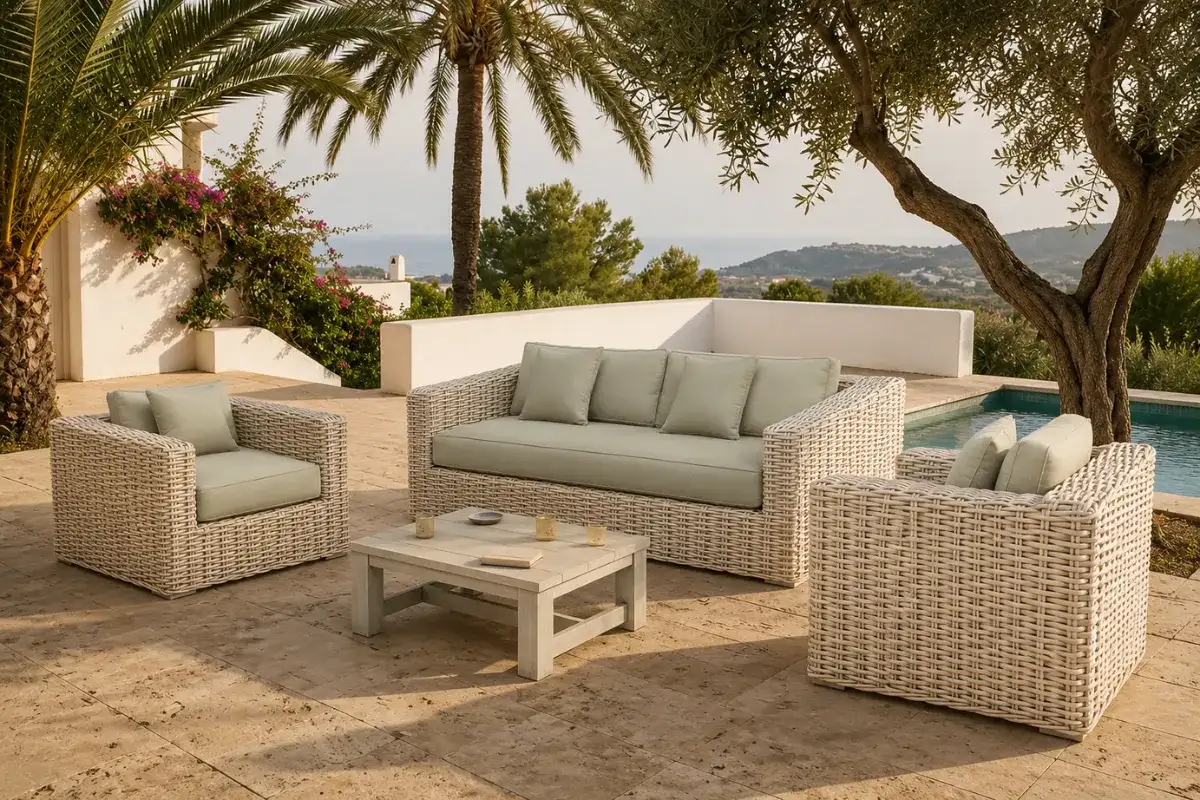
All weather wicker is widely used for commercial outdoor furniture because it combines a woven appearance with relatively low maintenance and resistance to outdoor conditions. For hotels, resorts, restaurants, and other commercial spaces, however, performance depends on fiber quality, frame construction, UV stability, and the environment where the furniture will be used.
This guide explains all weather wicker material, compares it with other commercial outdoor furniture materials, and highlights the key factors B2B buyers should check before placing an order.
1. How Material Choice Affects Outdoor Furniture Performance
All weather wicker generally refers to synthetic woven material designed to recreate the appearance of traditional wicker while providing better resistance to outdoor conditions. It is commonly made from polyethylene-based fibers and woven over a metal frame such as powder-coated aluminum.
It is also important to distinguish between wicker and rattan. Wicker refers to the weaving style, while rattan traditionally refers to a natural material. In outdoor furniture, terms such as synthetic rattan, PE rattan, and synthetic wicker are often used for man-made woven materials designed for outdoor applications.
When evaluating rattan furniture material for commercial projects, buyers should consider:
- Fiber type and quality.
- UV stability.
- Frame construction.
- Weaving consistency.
- Moisture resistance.
- Cleaning and maintenance.
- Expected commercial use.
These factors influence durability, appearance, maintenance requirements, and long-term value. Understanding them helps buyers compare commercial outdoor furniture materials based on actual project conditions rather than appearance alone.
2. Outdoor Furniture Material Comparison
An outdoor furniture material comparison helps buyers understand how different options perform in terms of weather resistance, maintenance, and application. Choosing the right material for outdoor furniture should therefore be based on actual project conditions rather than appearance or price alone.
Material |
Weather Resistance |
Maintenance |
Best Applications |
All weather wicker |
High |
Low |
Hotels, resorts, lounges |
Powder-coated aluminum |
High |
Low |
Dining, poolside, frames |
Teak |
High |
Medium |
Premium hospitality |
Outdoor rope |
High |
Low |
Hotels and resorts |
Performance fabric |
High |
Low |
Cushions and upholstery |
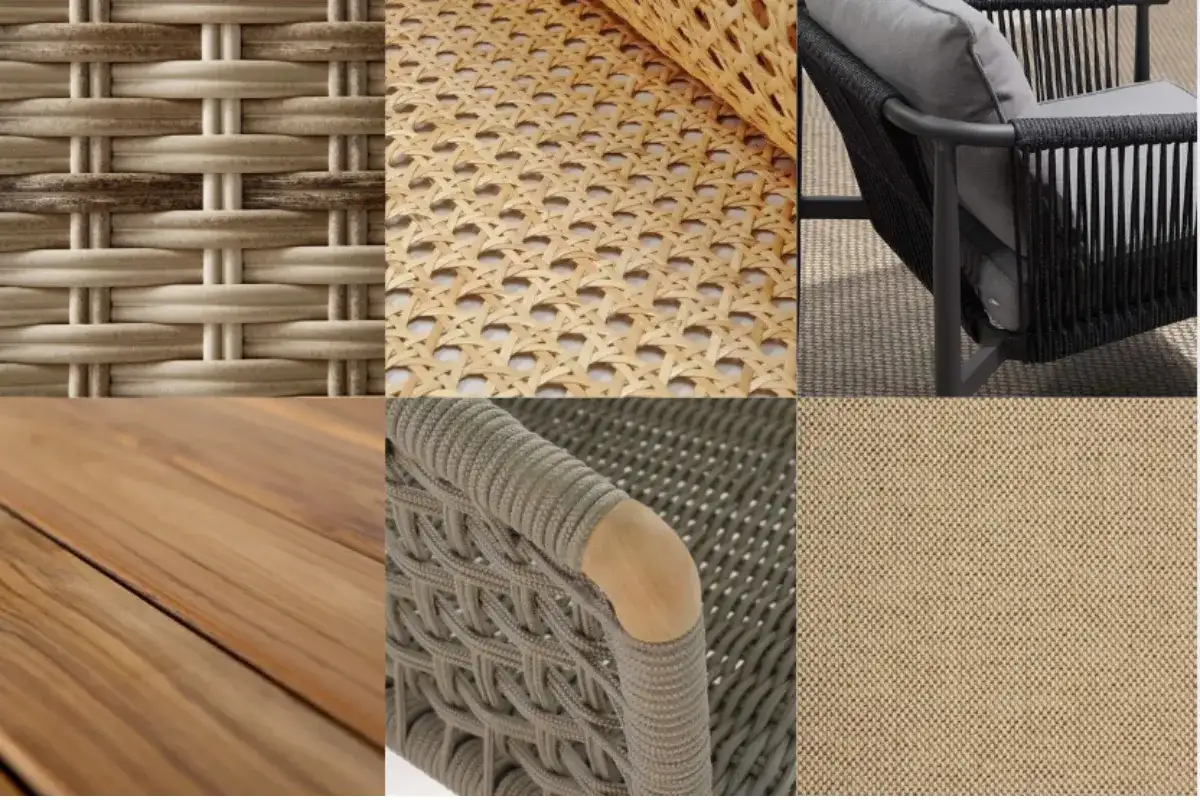
Material selection affects the durability, maintenance, and long-term performance of commercial outdoor furniture (Source: Internet)
2.1 Synthetic Rattan and Wicker
Synthetic rattan and wicker are commonly made from polyethylene-based fibers designed for outdoor use. Quality all weather wicker material should combine suitable synthetic fibers, consistent weaving, and a durable supporting frame.
Buyers should check fiber specifications, UV stability, flexibility, and weaving consistency rather than evaluating quality only by appearance. Poly wicker furniture also offers a wide range of colors and weaving patterns for different commercial designs.
2.2 Aluminum
Aluminum is widely used for outdoor furniture frames because it is lightweight, corrosion-resistant, and easy to maintain. Powder coating provides additional surface protection and allows different colors and finishes.
Aluminum is commonly combined with synthetic wicker, rope, teak, and outdoor fabrics in commercial furniture.
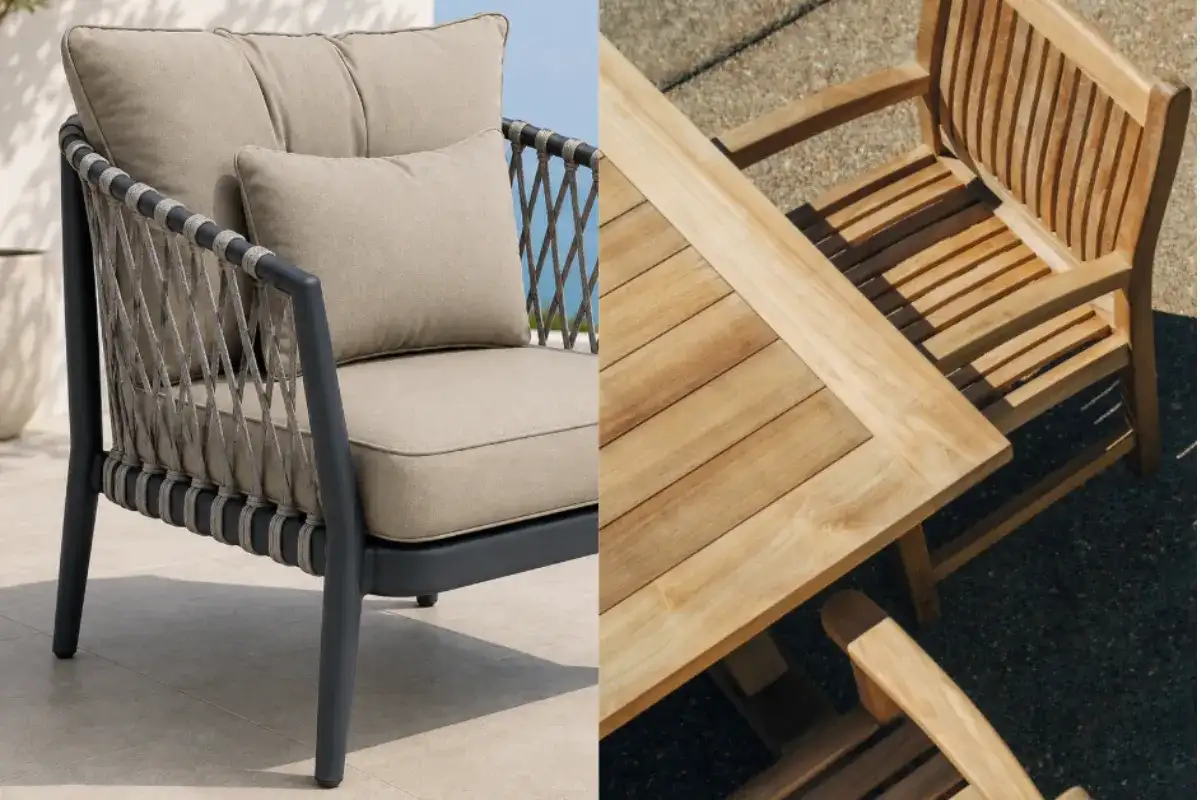
Different outdoor furniture materials offer unique advantages in durability, maintenance, appearance, and performance.
2.3 Teak
Teak provides natural weather resistance and a premium appearance for hotels, resorts, and high-end outdoor spaces. It generally requires more maintenance than synthetic wicker or aluminum when the original wood color needs to be preserved.
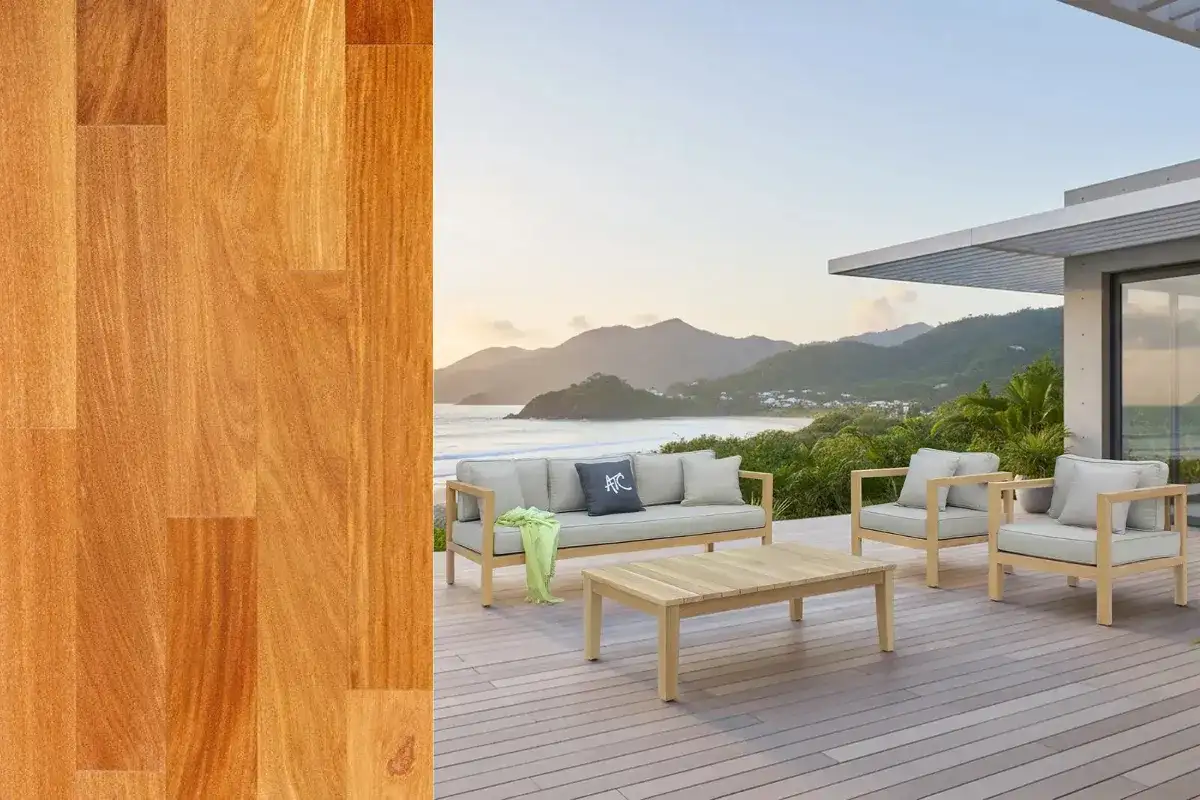
Teak offers natural durability and a premium look for outdoor spaces.
2.4 Rope and Outdoor Fabric
Outdoor rope provides a contemporary woven appearance and is commonly combined with aluminum frames. Its performance depends on fiber quality, UV stability, and moisture resistance.
Outdoor fabrics should also be evaluated for UV exposure, moisture, cleaning requirements, and cushion construction, particularly for poolside and hospitality applications.
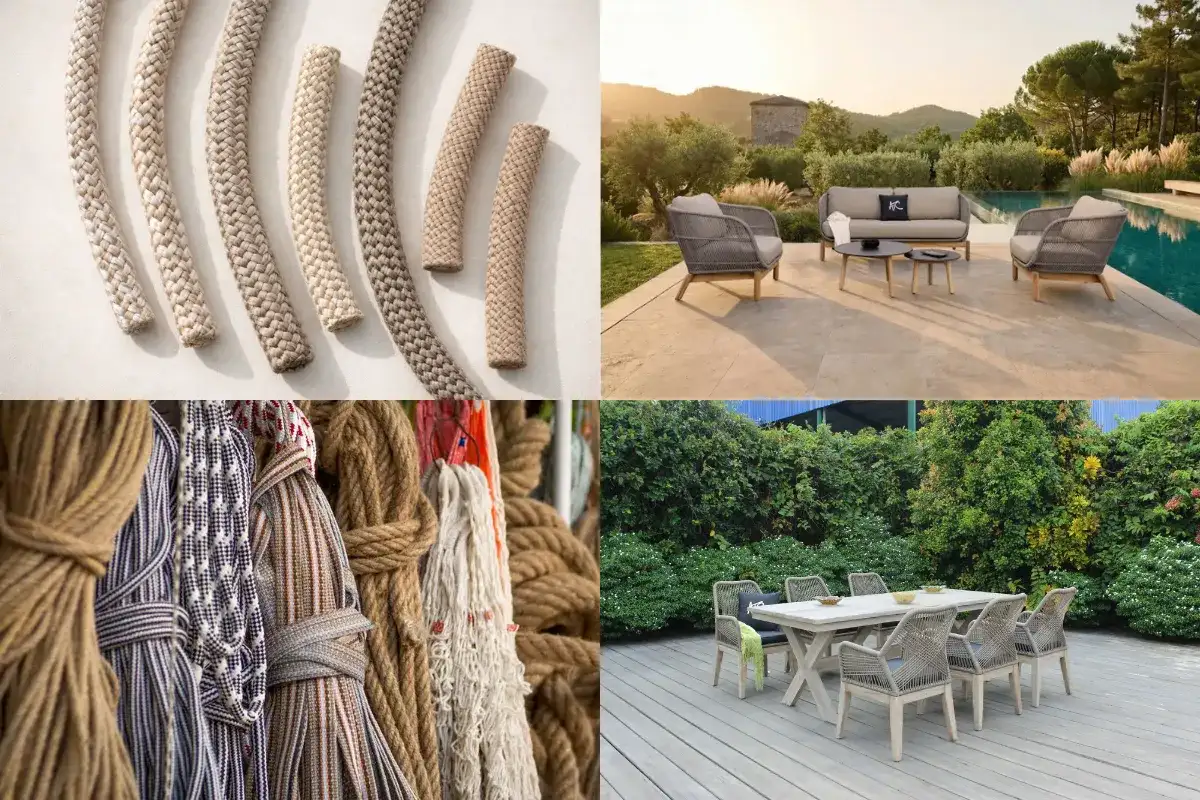
Quality rope supports lasting performance in demanding outdoor environments.
Overall, the best material for commercial outdoor furniture depends on climate, usage, maintenance, design, and budget rather than one material being suitable for every project.
3. Durability Factors for Hotels, Resorts, and Commercial Spaces
Commercial outdoor furniture faces continuous exposure to weather, cleaning, and daily use. For hotels, resorts, and restaurants, buyers should evaluate how materials perform under the actual conditions of each project.
3.1 UV Exposure, Rain, Humidity, Salt Air, Cleaning, and Daily Use
|
Factor |
Main Risk |
What Buyers Should Check |
|
UV exposure |
Fading and brittleness |
UV-stabilized synthetic fibers |
|
Rain & humidity |
Moisture-related deterioration |
Water-resistant materials and drainage |
|
Salt air |
Frame corrosion |
Protected aluminum frames and suitable hardware |
|
Frequent cleaning |
Surface wear |
Durable, easy-clean materials |
|
Daily use |
Loose weaving and structural wear |
Consistent weaving and strong frames |
When comparing uv resistant outdoor furniture materials, buyers should review material specifications and available test information rather than relying only on appearance.
Quality all weather wicker material should be designed to resist UV-related fading, moisture, and outdoor exposure, although actual performance depends on fiber quality, climate, and usage. For weather resistant outdoor furniture for hotels, frame construction and cushion materials should also be considered alongside the wicker itself.
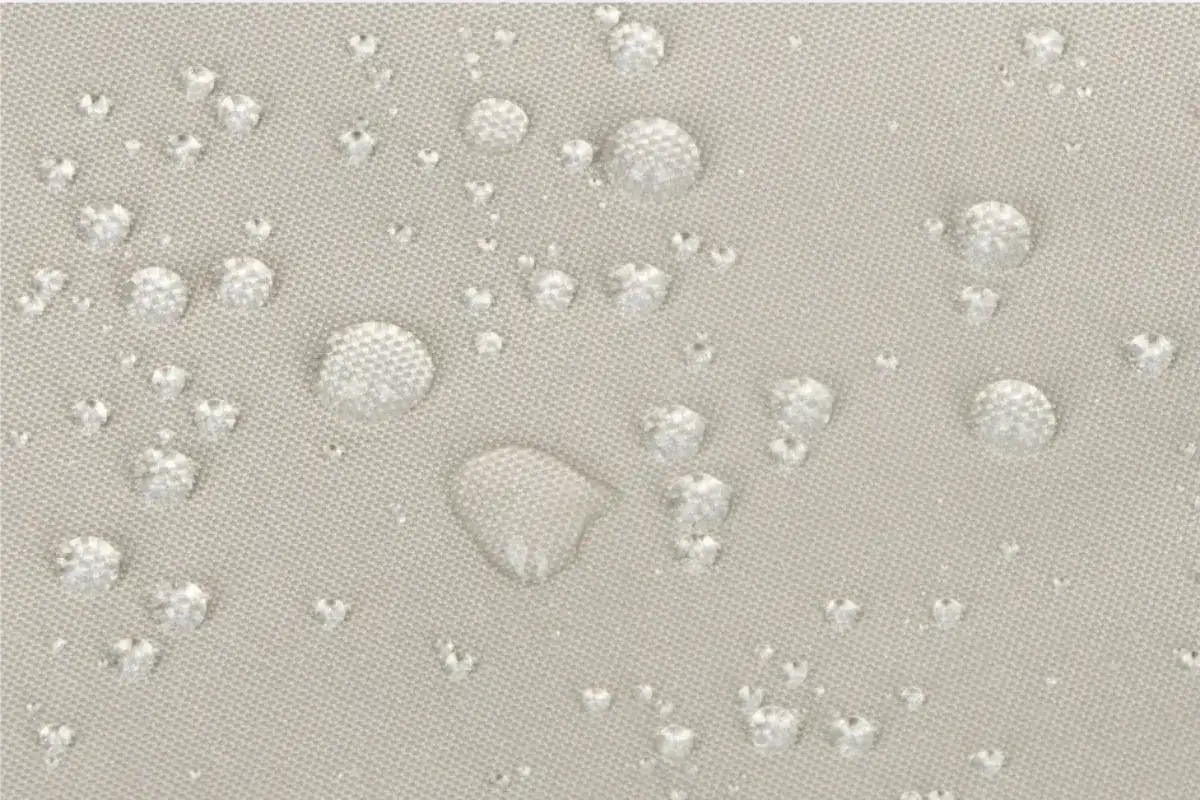
Water-repellent fabrics help outdoor furniture withstand rain, humidity, and frequent commercial use. (Source: Internet)
4. Quality Signals Buyers Can Check Before Ordering
Product photos alone are not enough to evaluate furniture quality. Before placing a bulk order, B2B buyers should check the material specifications, construction, and manufacturing consistency.
4.1 Quality Checklist
Buyers should review:
- Fiber type and material specifications.
- UV stability and available testing.
- Consistent weaving without loose strands or excessive gaps.
- Aluminum frame construction and stability.
- Welding and surface finishing.
- Outdoor fabric and cushion specifications.
- Approved samples before mass production.
- Quality control and inspection procedures.
For all weather wicker material, fiber quality and weaving consistency are particularly important because they directly affect appearance and long-term performance. A physical sample also allows buyers to evaluate the frame, weave, finishing, and overall construction before confirming a commercial order.
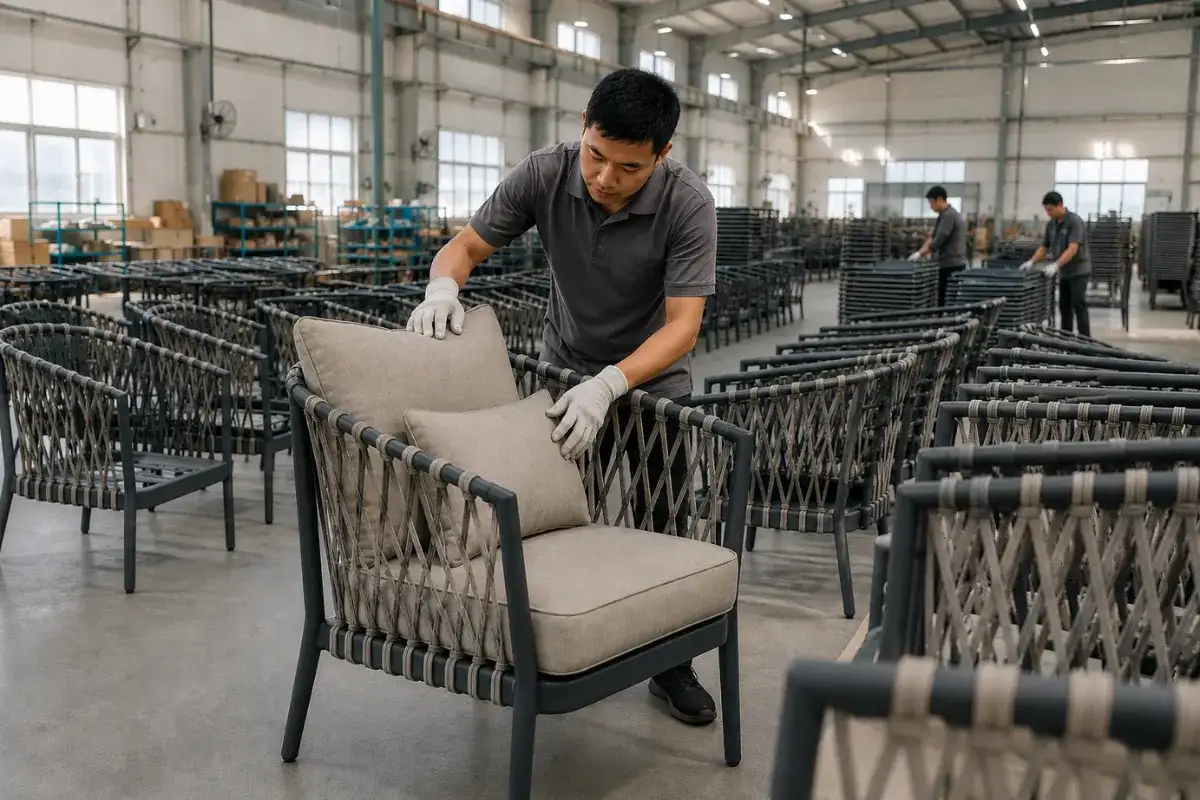
Consistent material quality and careful manufacturing help ensure reliable performance in commercial applications.
5. How to Match Materials to Project Type and Budget
Choosing the right material for outdoor furniture should reflect the project environment, usage, maintenance requirements, and budget. Buyers can use the following guide as a starting point:
|
Project Requirement |
Suitable Materials |
|
Hotels and resorts |
All weather wicker, aluminum, outdoor fabrics |
|
Coastal environments |
Synthetic wicker, protected aluminum |
|
Premium appearance |
Teak, high-quality synthetic wicker |
|
High-traffic restaurants |
Aluminum, durable wicker, easy-clean fabrics |
|
Flexible designs |
Synthetic wicker with customizable colors and patterns |
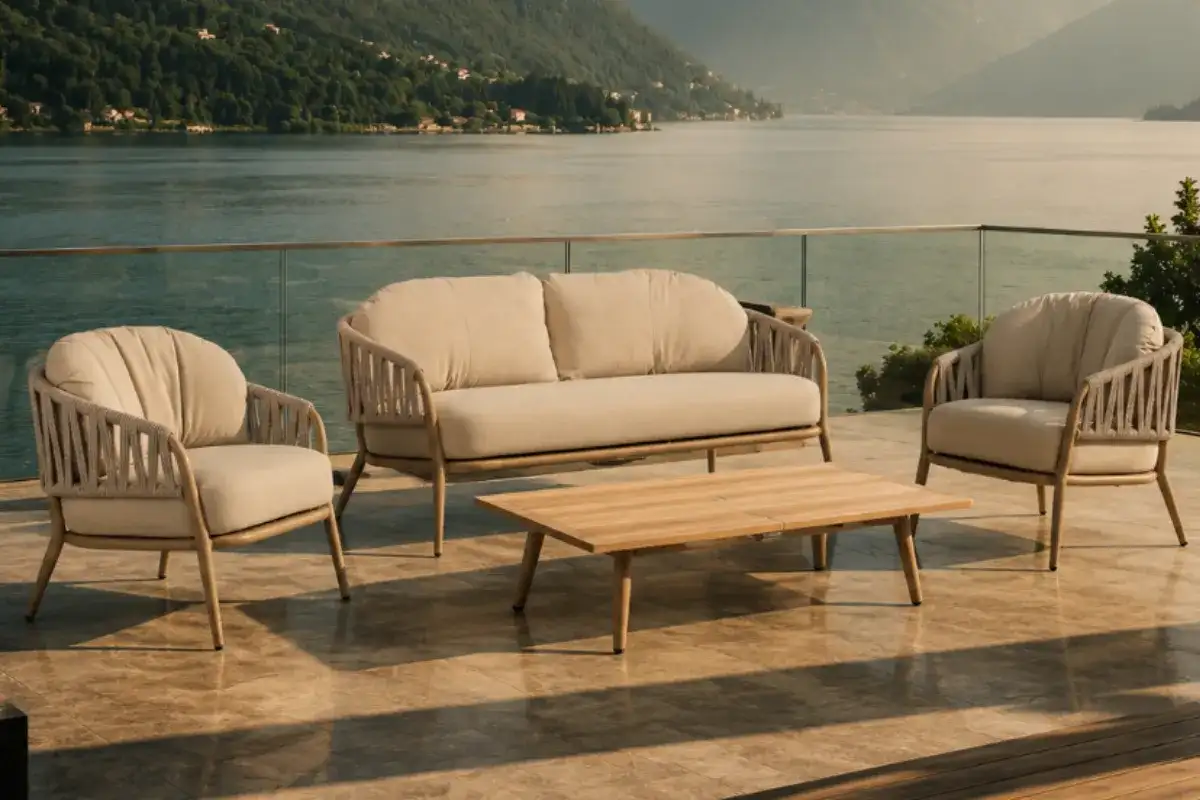
The right material combination helps businesses balance durability, design, maintenance, and project budget.
6. ATC Craft Product and Material Options to Consider
ATC Craft manufactures PE rattan outdoor furniture for hotels, resorts, distributors, retailers, and other commercial projects. Material options can be combined with powder-coated aluminum frames, outdoor cushions, teak, and other suitable components according to project requirements.
Buyers can customize colors, dimensions, weaving patterns, and material combinations based on target markets and intended applications.
For commercial projects, sample development also allows buyers to confirm materials, construction, and specifications before mass production.
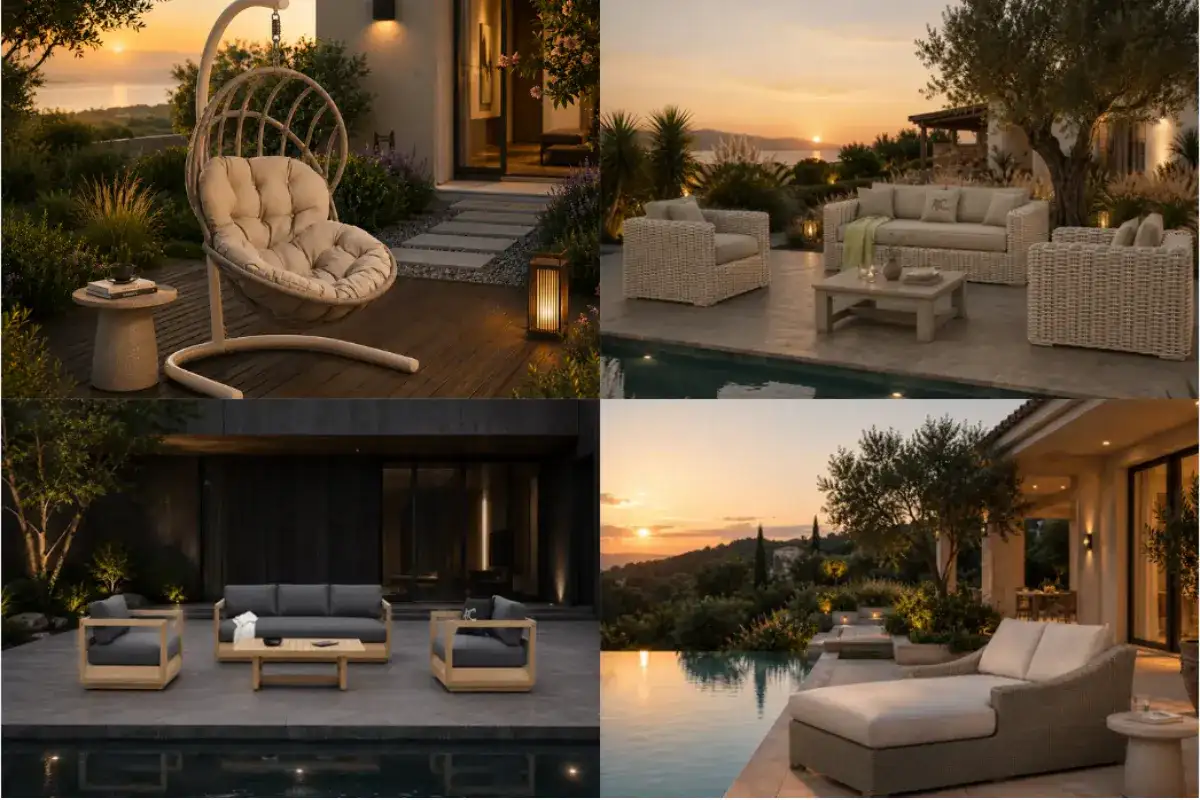
Flexible product and material options allow buyers to develop outdoor furniture collections for different commercial projects.
7. Frequently Asked Questions
7.1 Is all weather wicker material suitable for commercial outdoor furniture?
It can be. Quality synthetic wicker designed for outdoor use is suitable for many hotels, resorts, restaurants, and commercial spaces when combined with durable frame construction.
7.2 What is the best material for commercial outdoor furniture?
The best choice depends on the project. Synthetic wicker, aluminum, teak, rope, and outdoor fabrics offer different advantages in durability, maintenance, appearance, and cost.
7.3 How can buyers check outdoor furniture material quality?
Review material specifications, UV stability, weaving consistency, frame construction, approved samples, and quality control procedures before placing a bulk order.
7.4 Is synthetic rattan better than natural rattan outdoors?
For exposed outdoor environments, synthetic rattan is generally more practical because it is designed to resist moisture, UV exposure, and changing weather conditions. Natural rattan is better suited to indoor or protected areas.