Bistro & Bar Sets
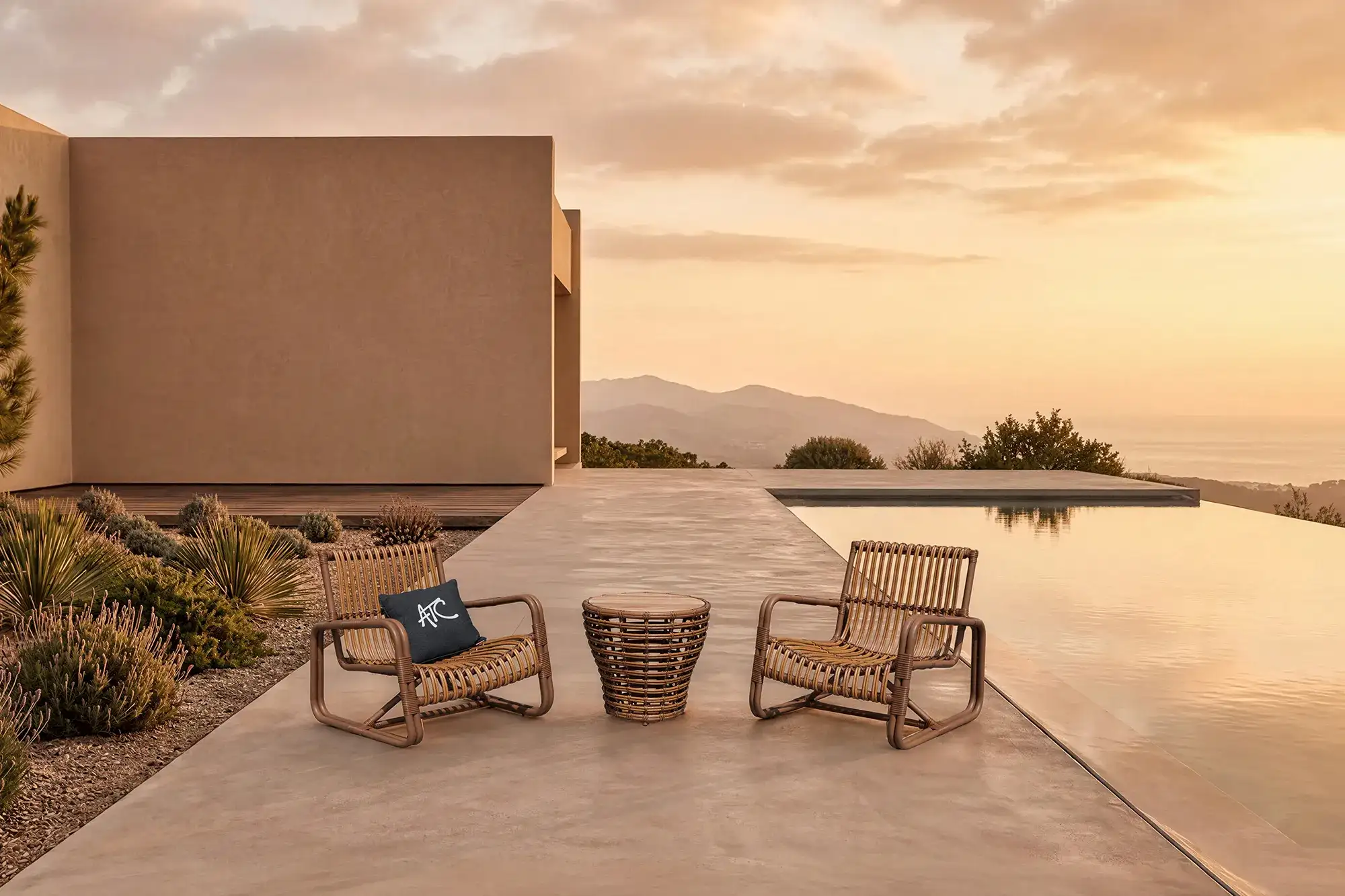
MIRA-A
Outdoor Bistro Set
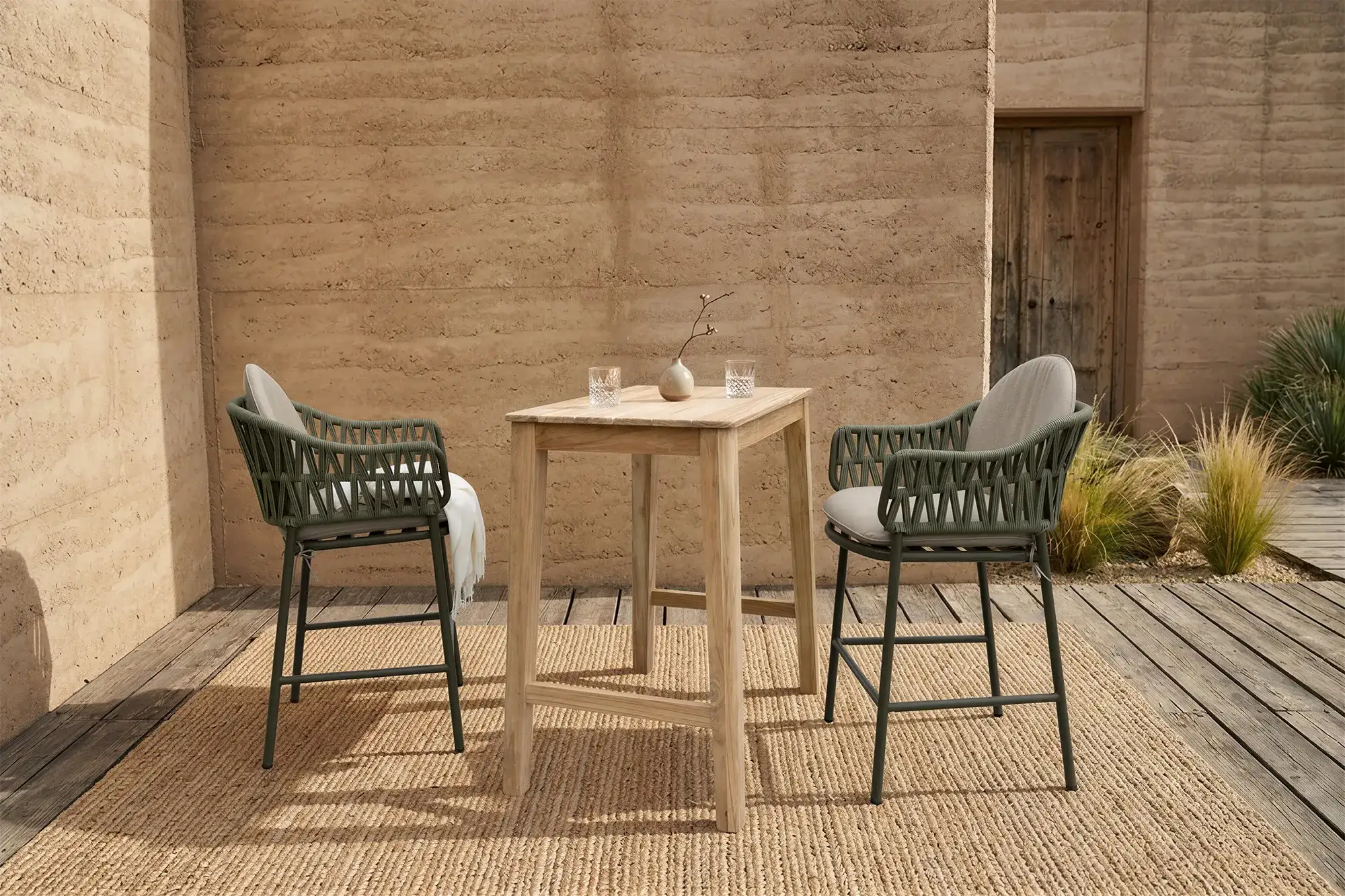
VINO
Outdoor Bar Set
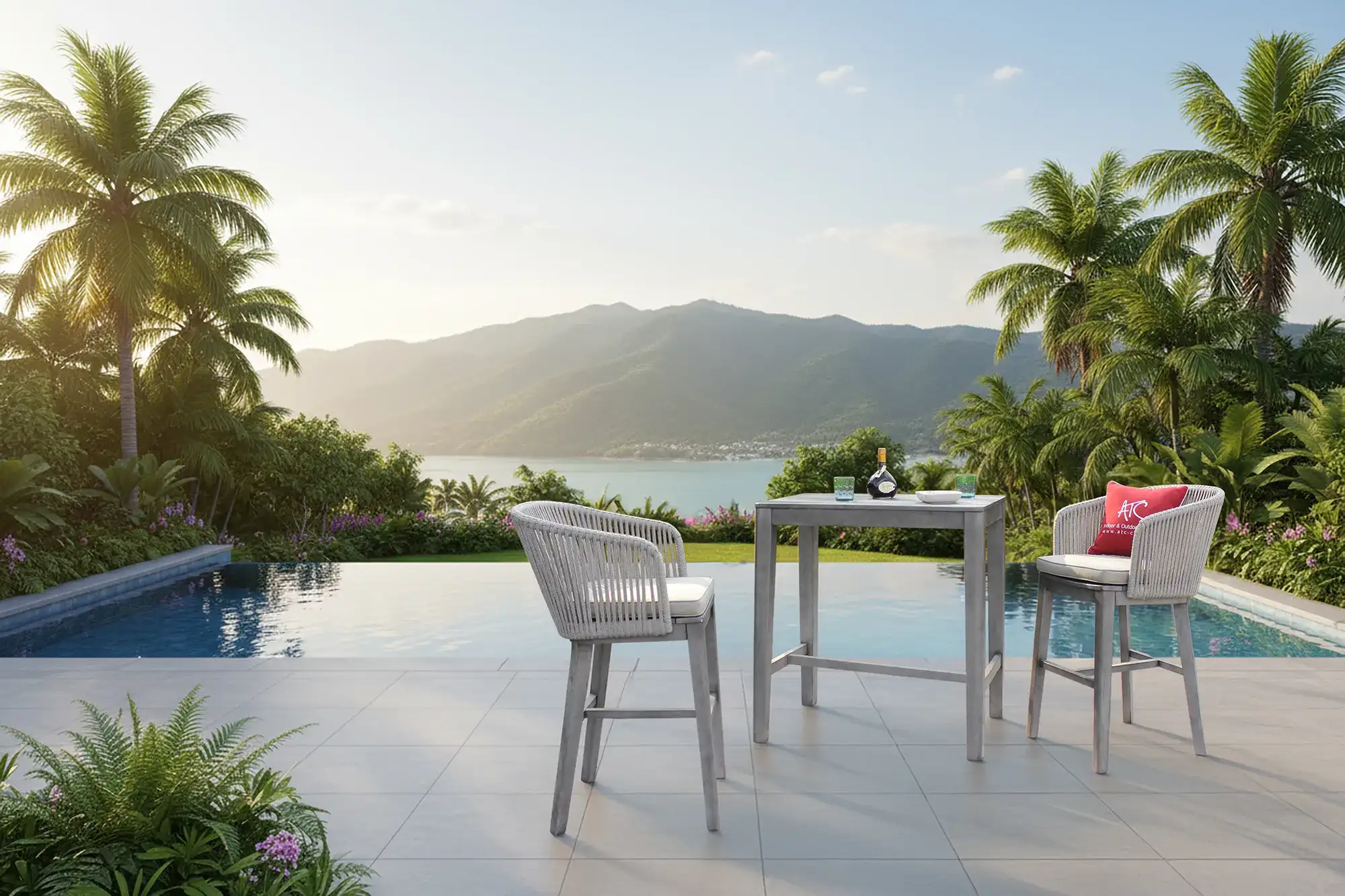
FARO
Outdoor Wooden High Bar Set Wicker Backrest
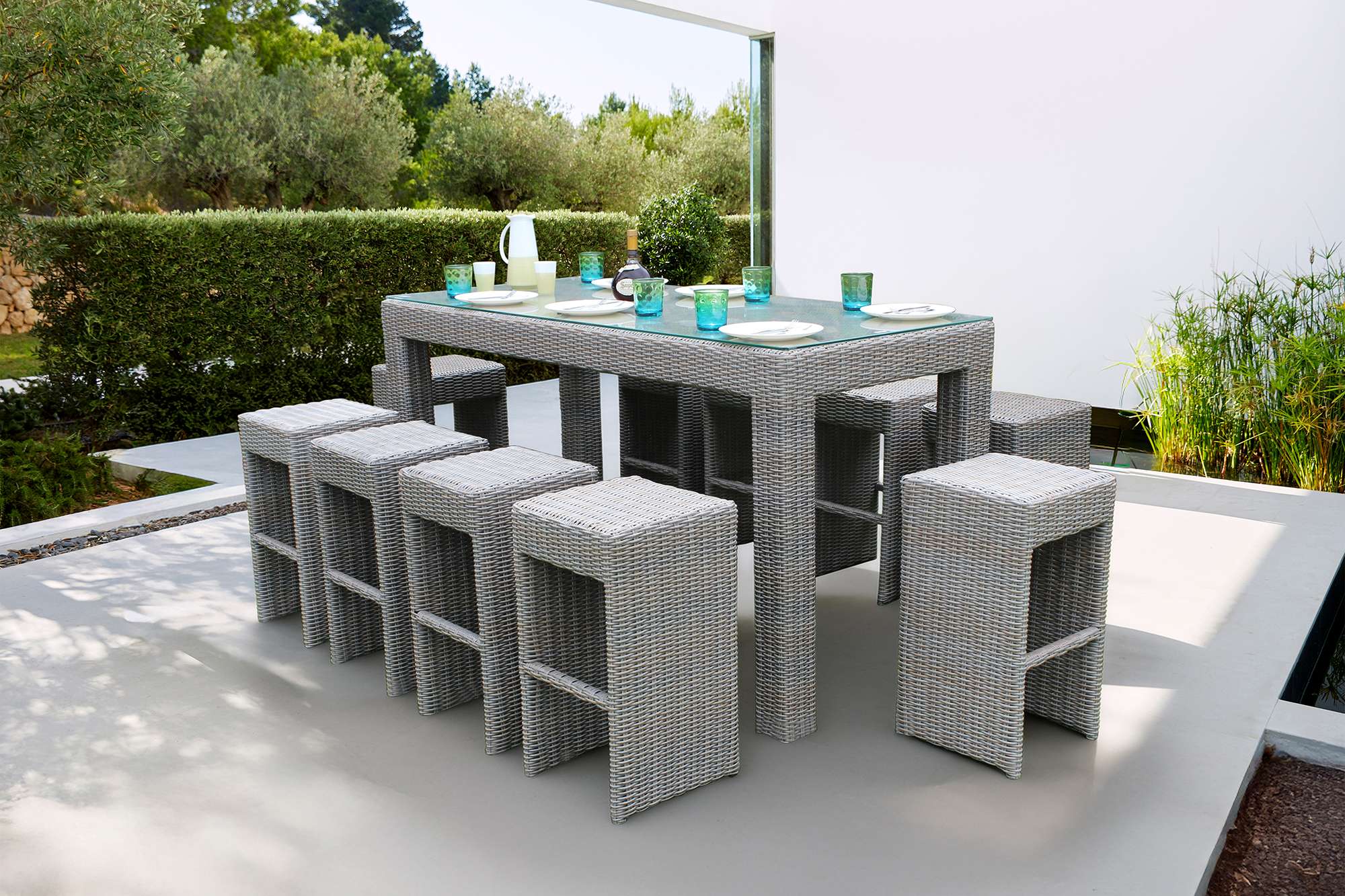
FOX
10 Seater Outdoor Rattan Height Bar Set
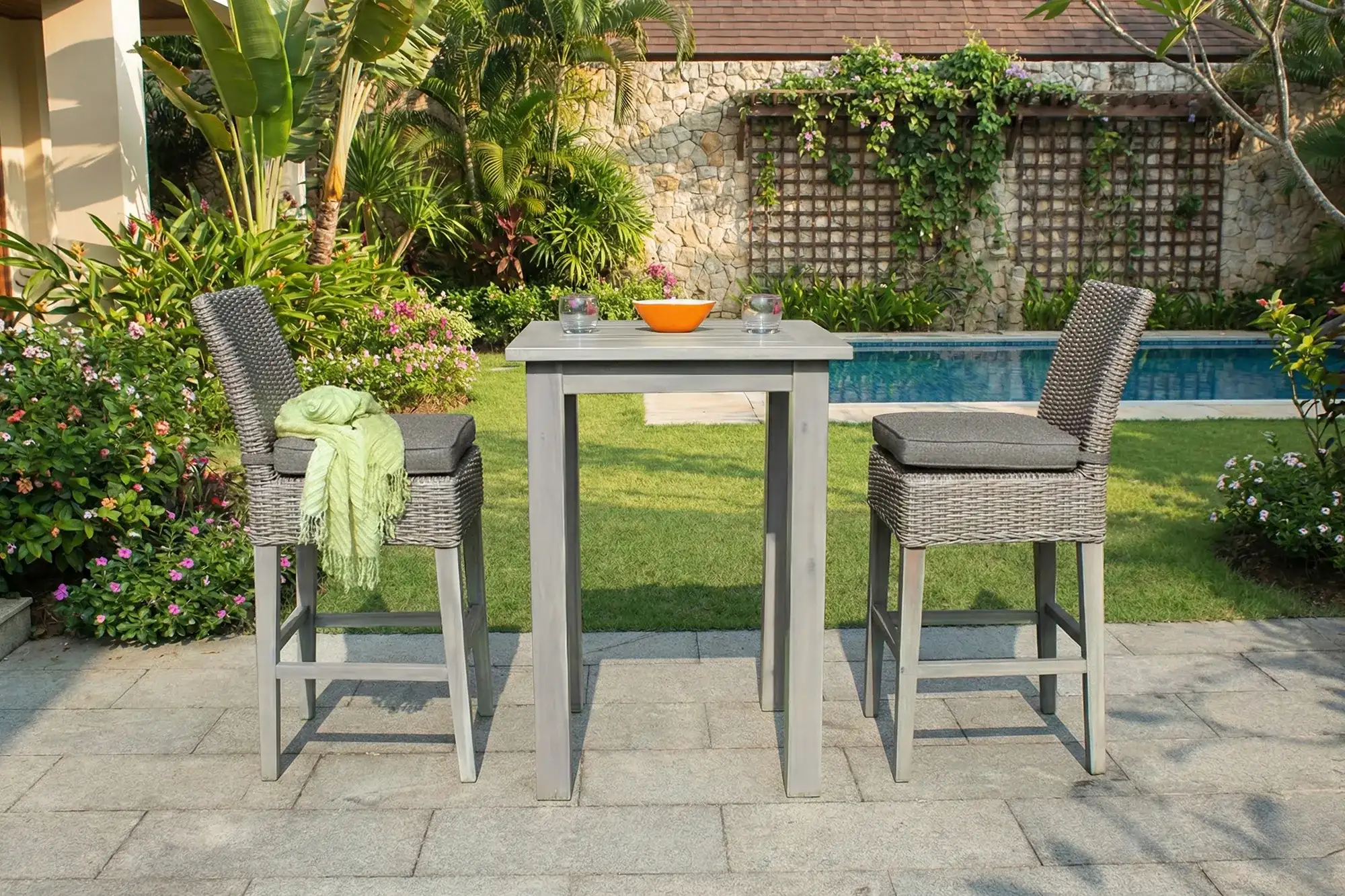
NAVY
2 Seater Patio Wicker Counter Bar Wooden Frame
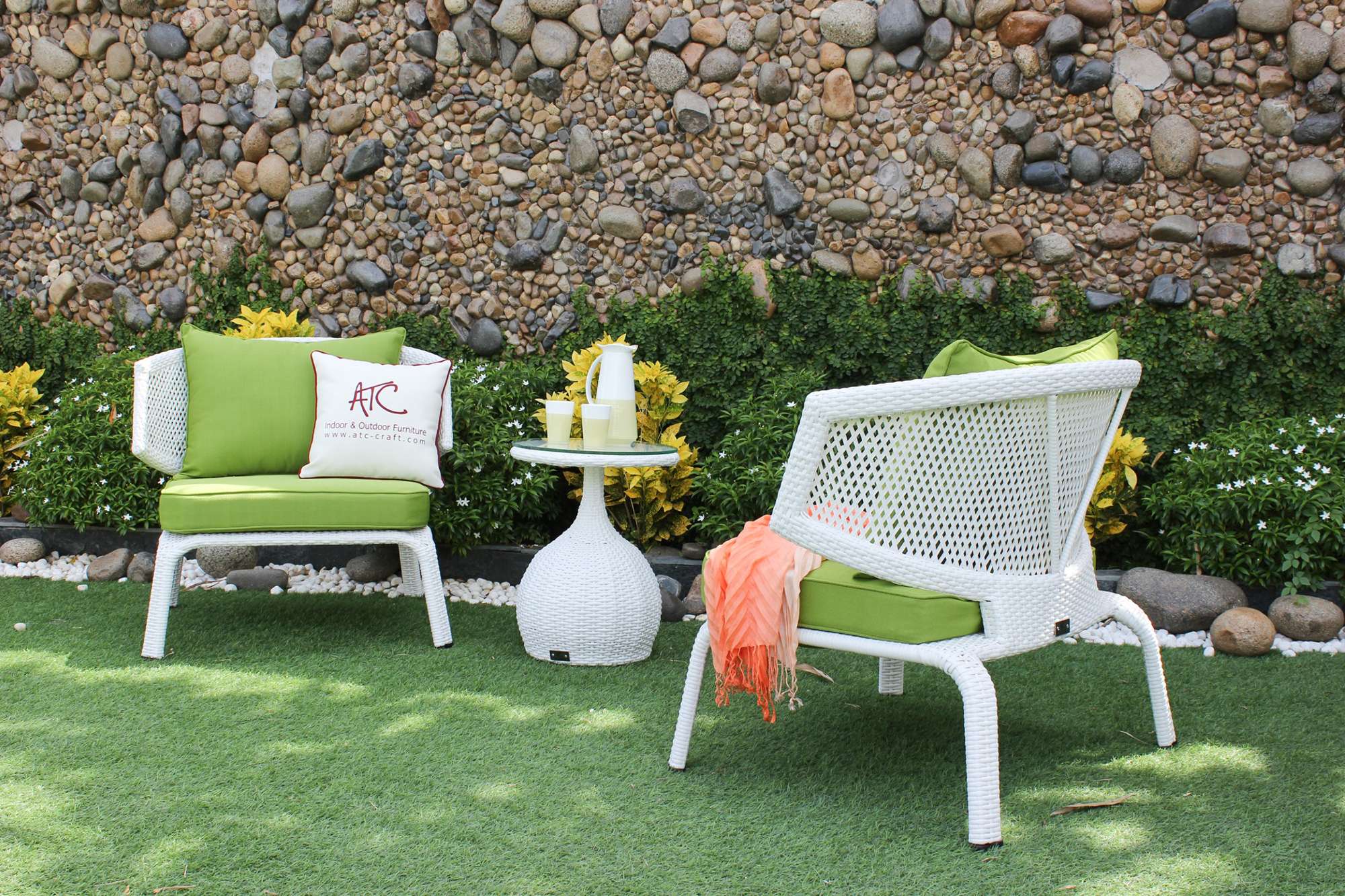
JAVA
Unique Outdoor White Rattan Cafe Set 2 Seater
1. Overview of Bar and Coffee Furniture
1.1. What Is Bar and Coffee Furniture?
Bar and coffee furniture refers to furniture designed with a higher profile and distinct proportions compared to standard seating, serving short-term seating, casual interaction, or beverage enjoyment at counters. These pieces are commonly used in coffee shops, bars, pantry areas, and flexible social corners where users value convenience and openness over long-term seating.
1.2. Differences Between Bar Furniture and Standard Coffee Furniture
The most noticeable difference lies in height and seating posture. Bar furniture is typically taller and paired with bar stools or counter-height chairs, creating a more dynamic and compact seating experience. In contrast, standard coffee furniture is lower and intended for longer, more relaxed seating. This distinction directly influences spatial layout and user comfort.
1.3. Growing Demand for Bar Furniture in Modern Spaces
As contemporary spaces increasingly prioritize flexibility and efficient use of area, bar furniture has become a preferred choice. It helps optimize layouts, supports quick interactions, and adds a clean, modern character to both residential and commercial environments.
2. Bar and Coffee Furniture by Space Type
2.1. Bar Furniture for Coffee Shops
In coffee shops, bar furniture is often positioned along service counters, near windows, or in high-traffic zones. This arrangement increases seating capacity without overcrowding the space, while maintaining an open and welcoming atmosphere for customers.
2.2. Bar Furniture for Homes and Residential Spaces
In residential settings, bar furniture is commonly used around kitchen islands, breakfast counters, or small coffee corners. It suits everyday activities such as quick meals, morning coffee, or casual conversations, bringing flexibility and a contemporary feel to the home.
2.3. Bar Furniture for Gardens and Outdoor Areas
For gardens and outdoor spaces, bar furniture creates a relaxed and airy ambiance. When made with suitable materials, it can withstand outdoor conditions while serving as a functional focal point for entertaining or leisure.
3. Types of Bar and Coffee Furniture by Design
3.1. Tall Bar Furniture
This is the most common style, typically paired with matching bar stools. It works well with service counters, kitchen islands, and modern interiors where vertical space is effectively utilized.
3.2. Compact Bar Furniture for Small Spaces
For limited areas, compact bar furniture makes use of height rather than width. Clean lines and minimal detailing help maintain a sense of openness while still fulfilling functional needs.
3.3. Bar Furniture with Stools and Backed Chairs
Combining stools and chairs with backrests provides varied seating options. Stools offer flexibility and movement, while backed chairs enhance comfort for users who remain seated longer.
4. Common Materials Used in Bar and Coffee Furniture
4.1. Wooden Bar Furniture
Wood is widely favored for its warmth and versatility. Materials such as acacia wood or teak wood are commonly selected for their stability and adaptability across different environments.
4.2. Bar Furniture with Metal Frames
Wood combined with metal creates a solid and contemporary aesthetic. Metal frames add structural strength, while wooden surfaces soften the overall look and maintain visual balance.
4.3. Wicker and Synthetic Materials for Bar Furniture
Wicker-style synthetic materials and composites are well suited for outdoor use due to their moisture resistance and ease of maintenance. They offer a relaxed appearance, making them ideal for garden coffee spaces and open-air environments.
Material selection should consider placement, usage frequency, and environmental exposure. Indoor spaces prioritize comfort and aesthetics, while outdoor areas require durability and weather resistance.
5. Functionality and User Experience of Bar Furniture
5.1. Standard Heights for Bar and Coffee Furniture
Proper height ensures natural posture and ease of use. Incorrect proportions can lead to discomfort, particularly for the back and legs, reducing overall satisfaction.
5.2. Seating Comfort for Extended Use
Although bar seating is often used for shorter periods, comfort remains important. Features such as footrests, supportive backrests, and well-shaped seats significantly improve the experience.
5.3. Factors Affecting Customer Experience at the Bar
Lighting, spacing between seats, surface textures, and furniture stability all influence how users perceive the space. A well-planned arrangement encourages comfort and repeat visits.
6. Design Styles of Bar and Coffee Furniture
6.1. Modern Bar Furniture
Modern designs emphasize clean lines, neutral colors, and functional simplicity. This style is popular in urban coffee shops and contemporary interiors.
6.2. Minimalist Bar Furniture
Minimalist furniture focuses on essential form and function, removing unnecessary details. It helps spaces feel open and adaptable to various design concepts.
6.3. Natural and Rustic Bar Furniture
Natural styles highlight raw textures and organic materials, creating a calm and inviting atmosphere. This approach suits coffee spaces that prioritize sensory experience and warmth.