Sunbeds
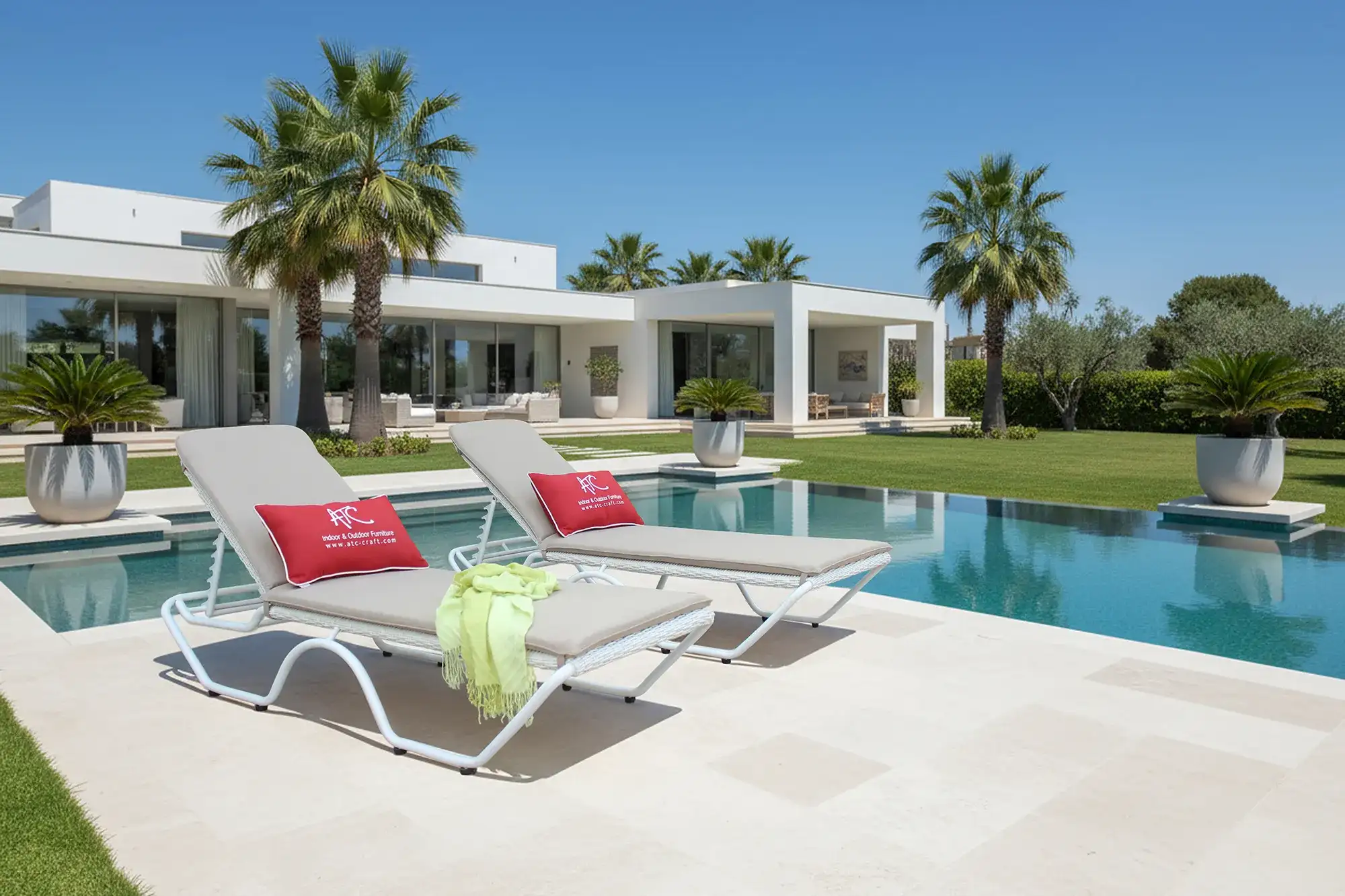
JAMAICA
Sun Lounger Including HDPE Wicker and Aluminum Frame
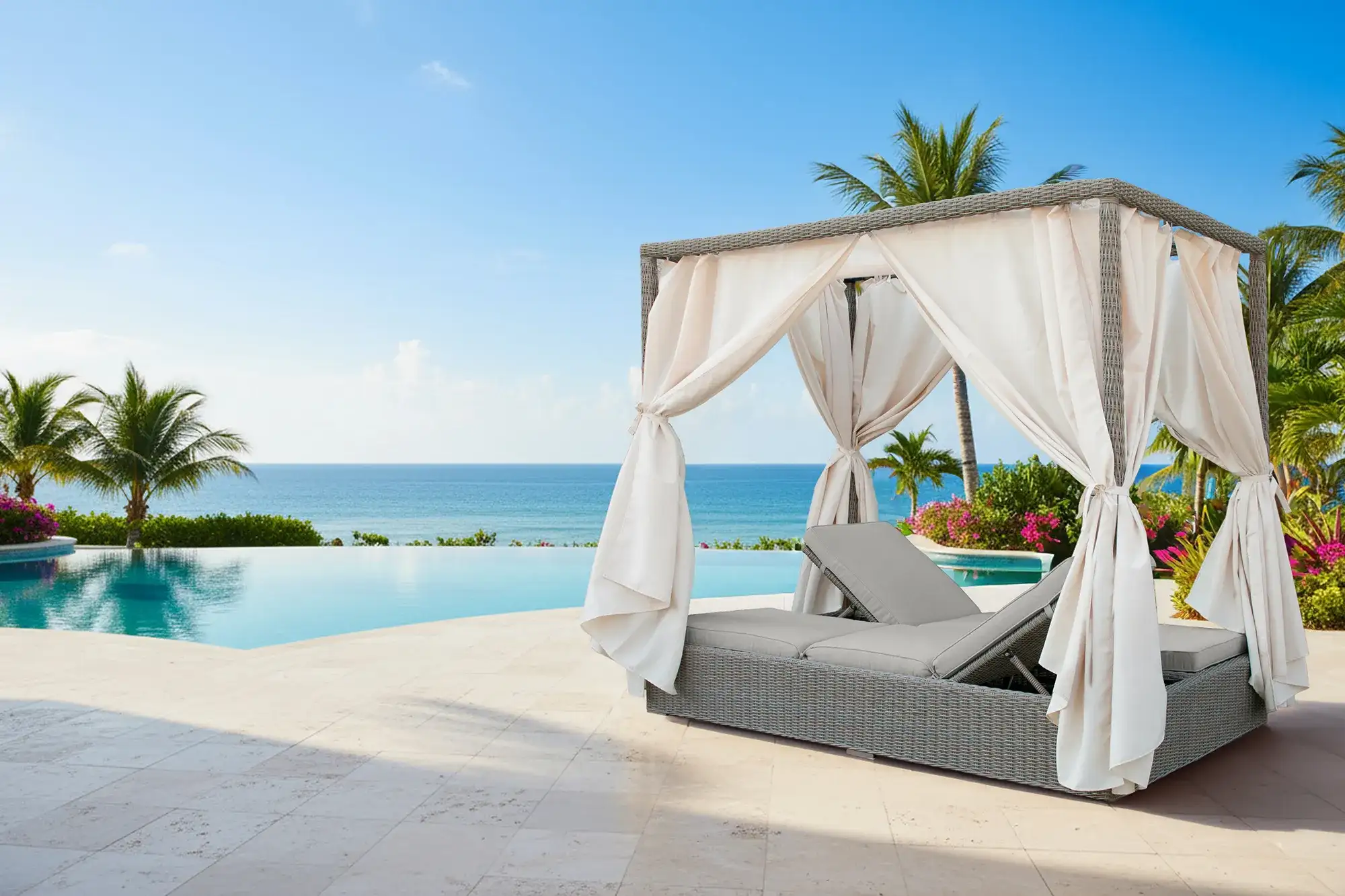
JERSEY
Poly Rattan Luxury Outdoor Daybed With Curtain
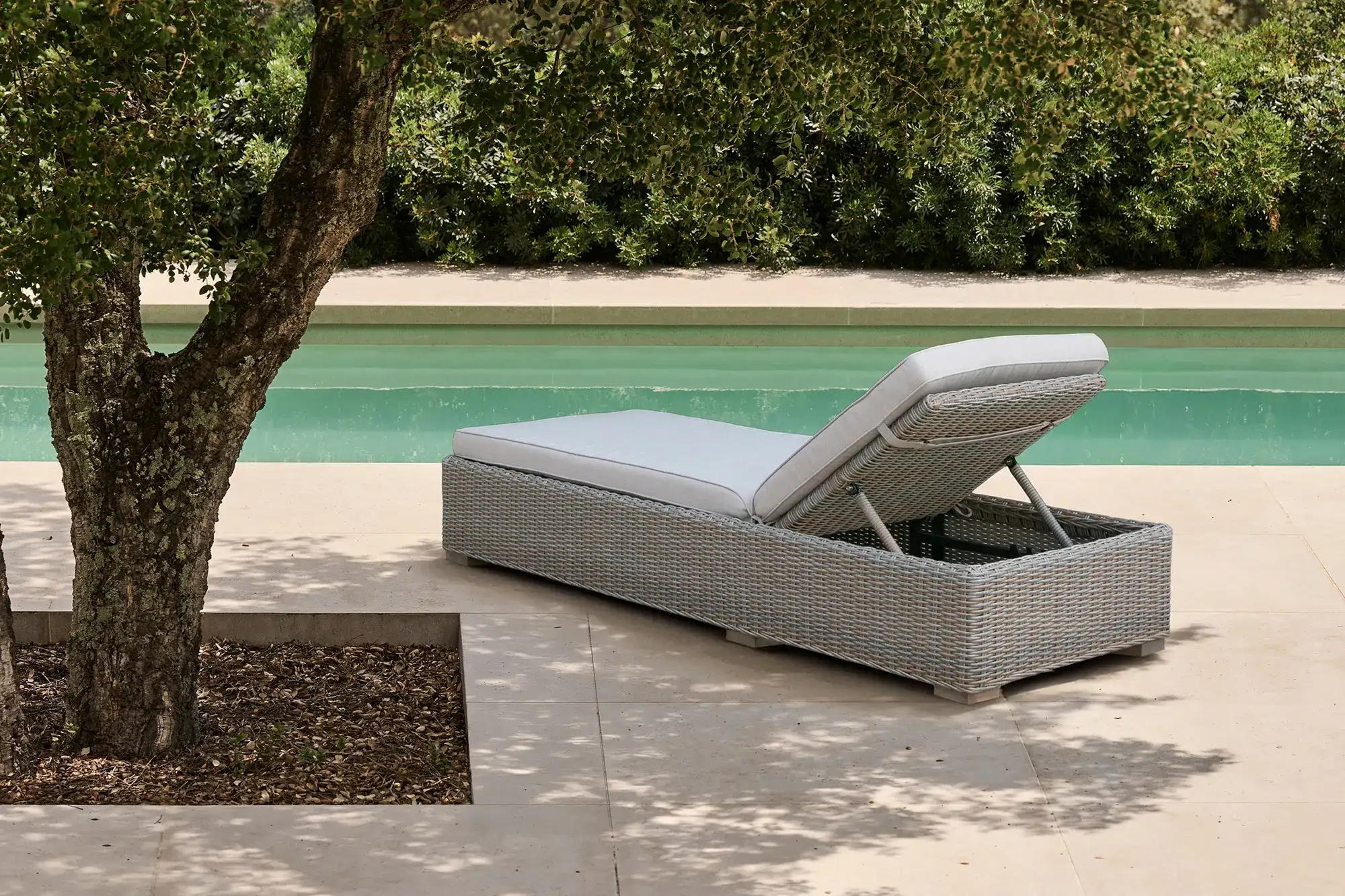
LAMBA
Pool Side Rattan Single Chaise Lounge Adjustable Backrest
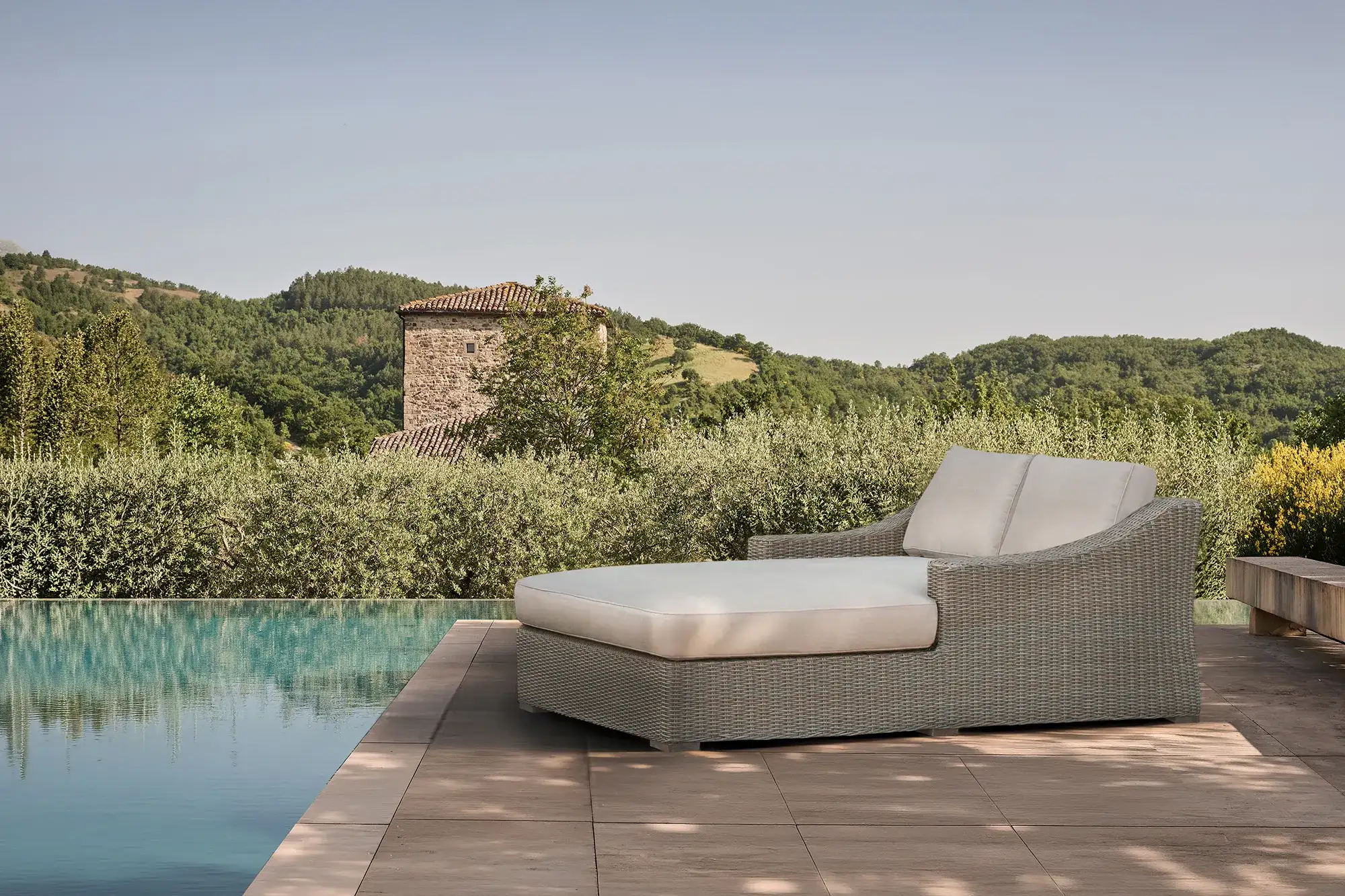
PAROS
Pool Side Rattan Double Daybed Sun Lounger
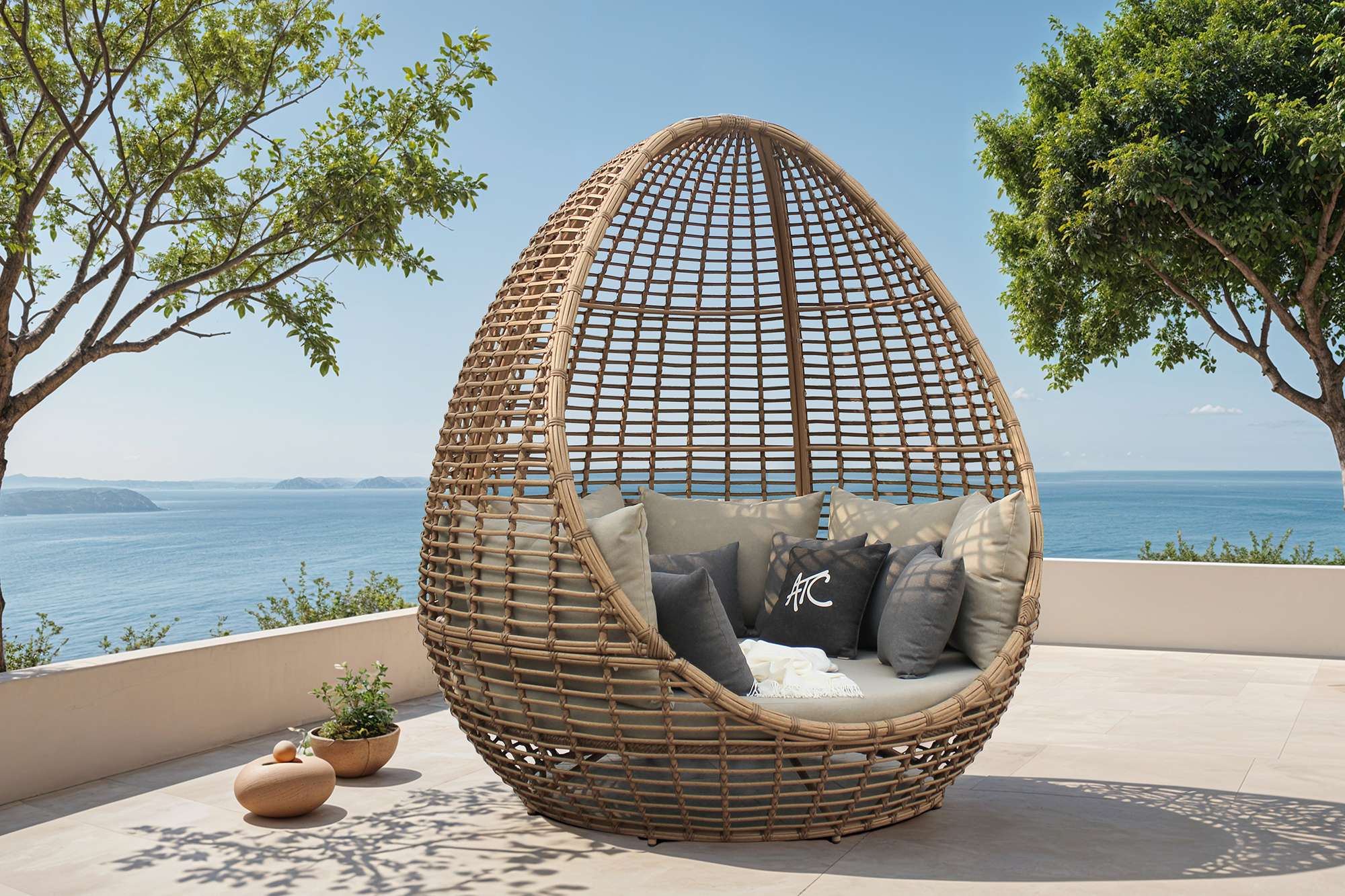
COCOON
Sun Lounger with Poly Bamboo HDPE Wicker
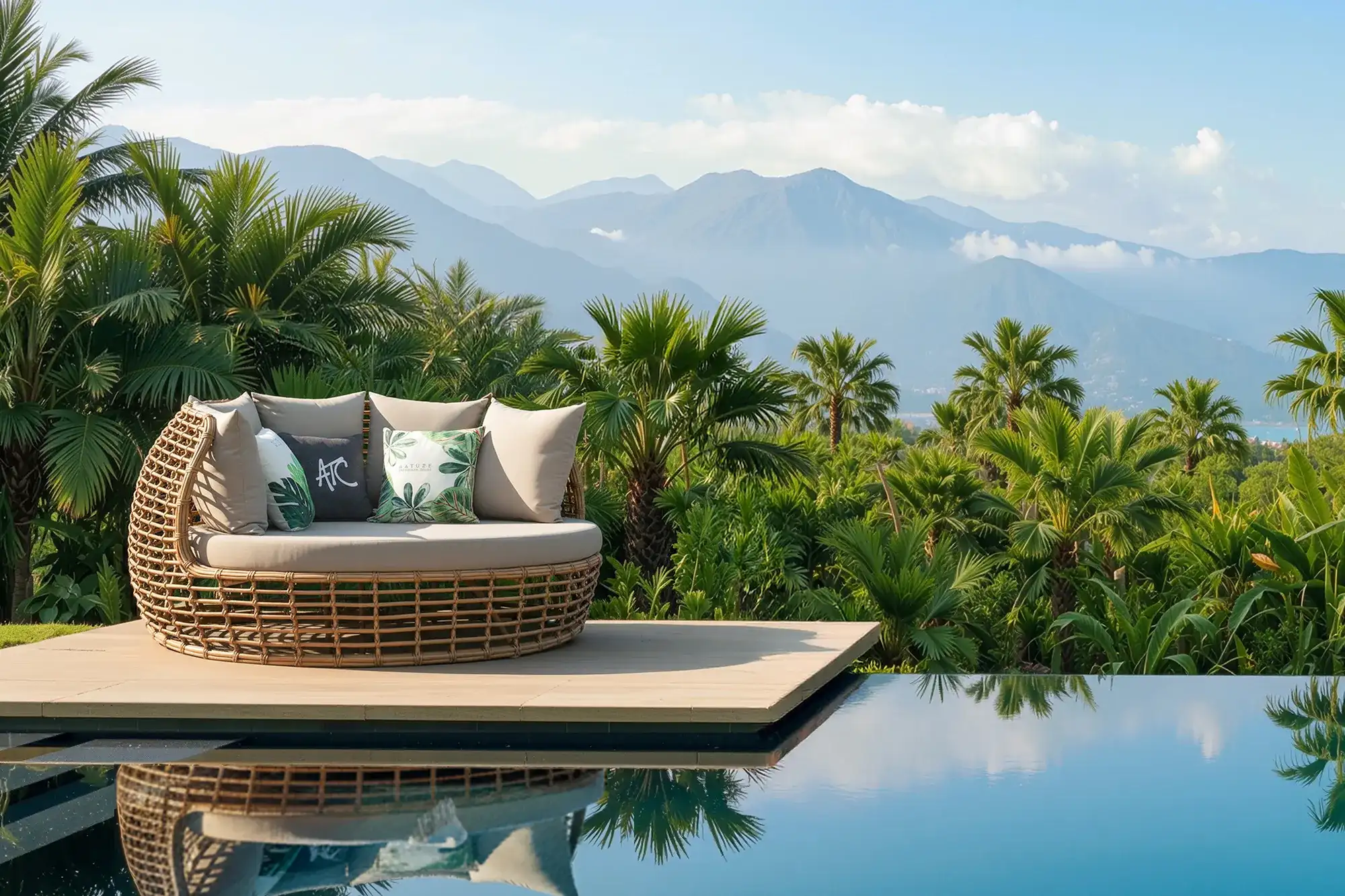
MONICA
Sun Lounger with Poly Bamboo Wicker is Perfect For Outdoors
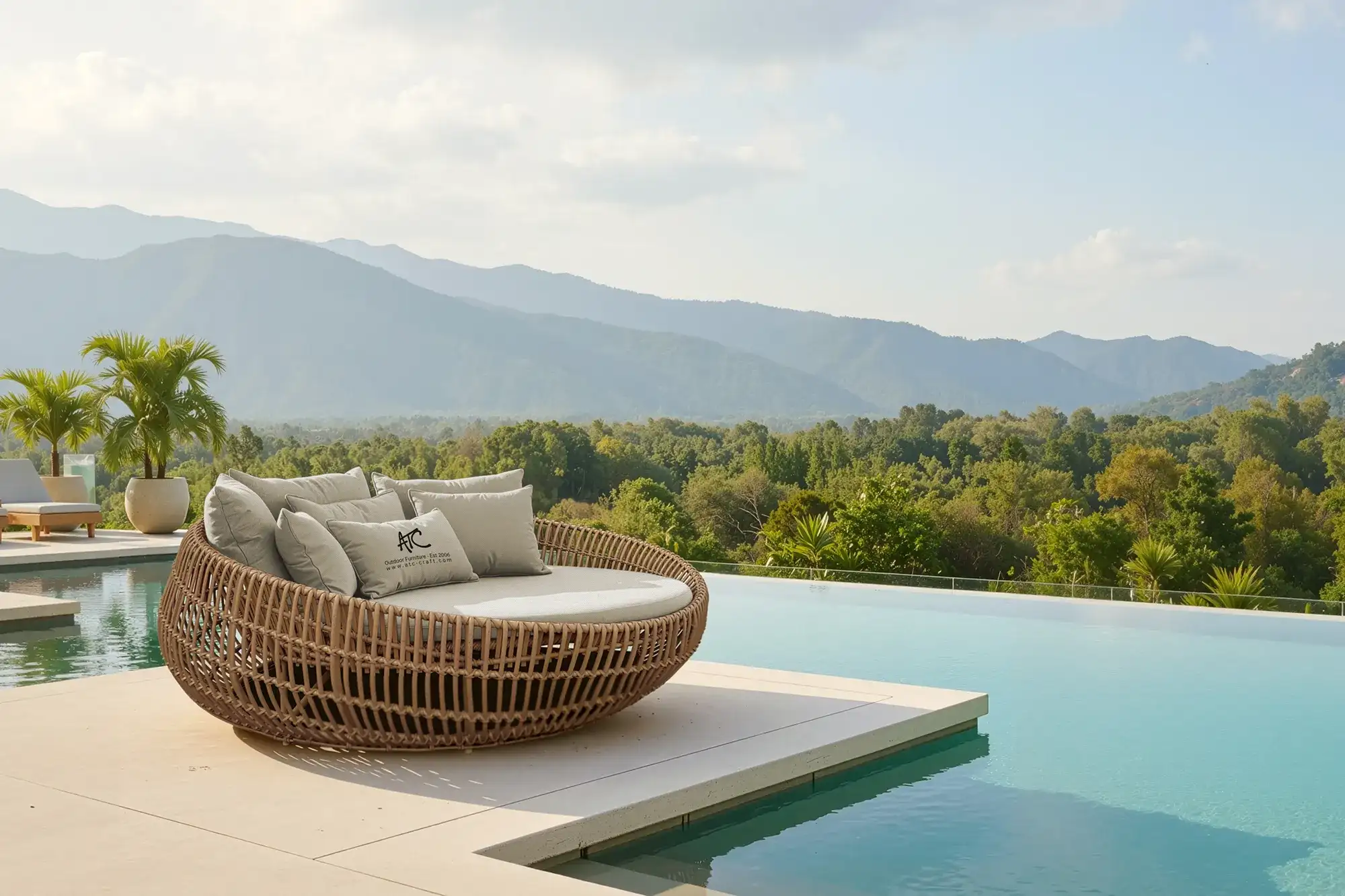
FIJI
Comfortable Sun Lounger With Durable Poly Bamboo Wicker
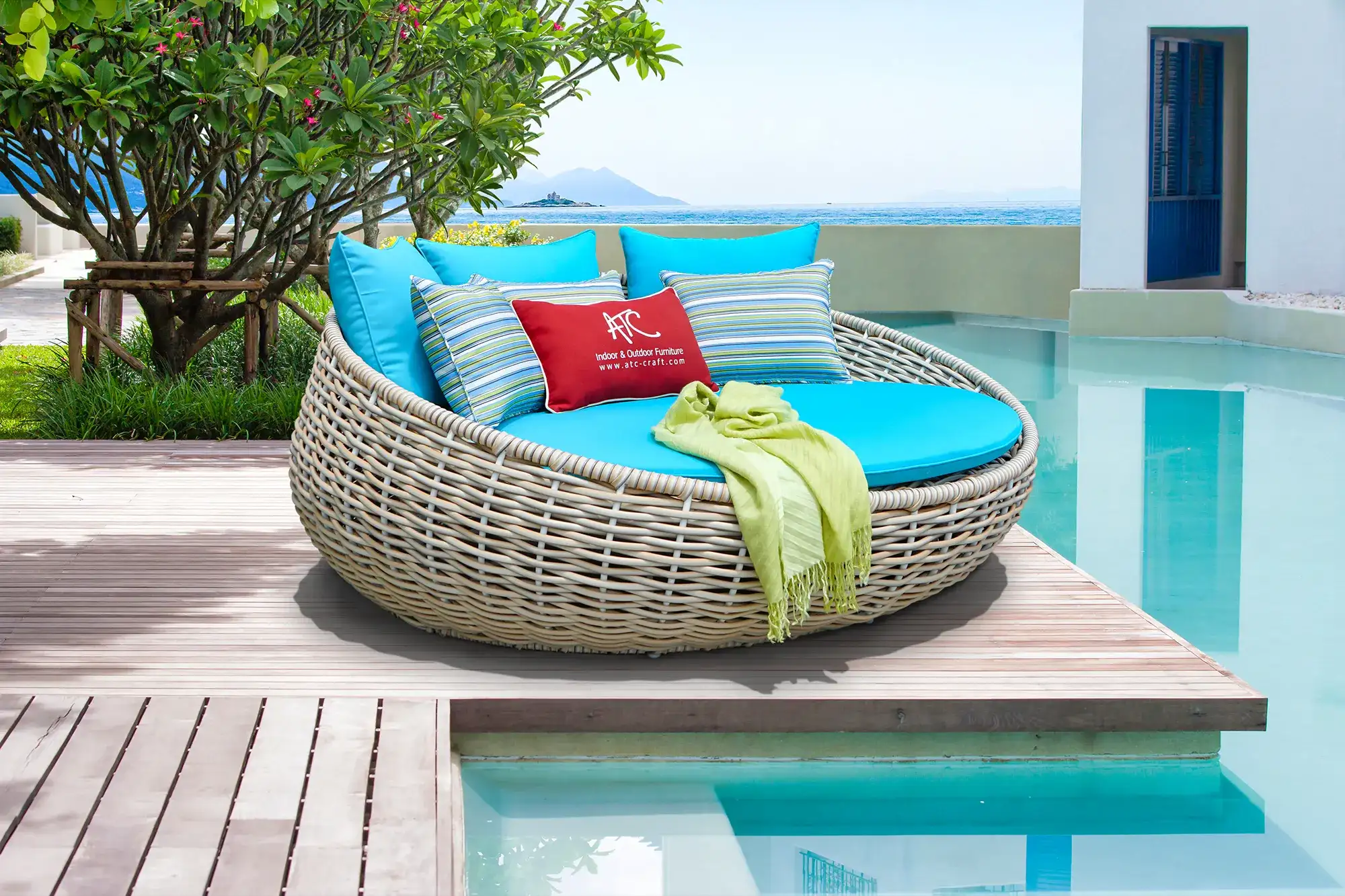
LAIKA
Sigma Wicker Outdoor Round Sun Lounger
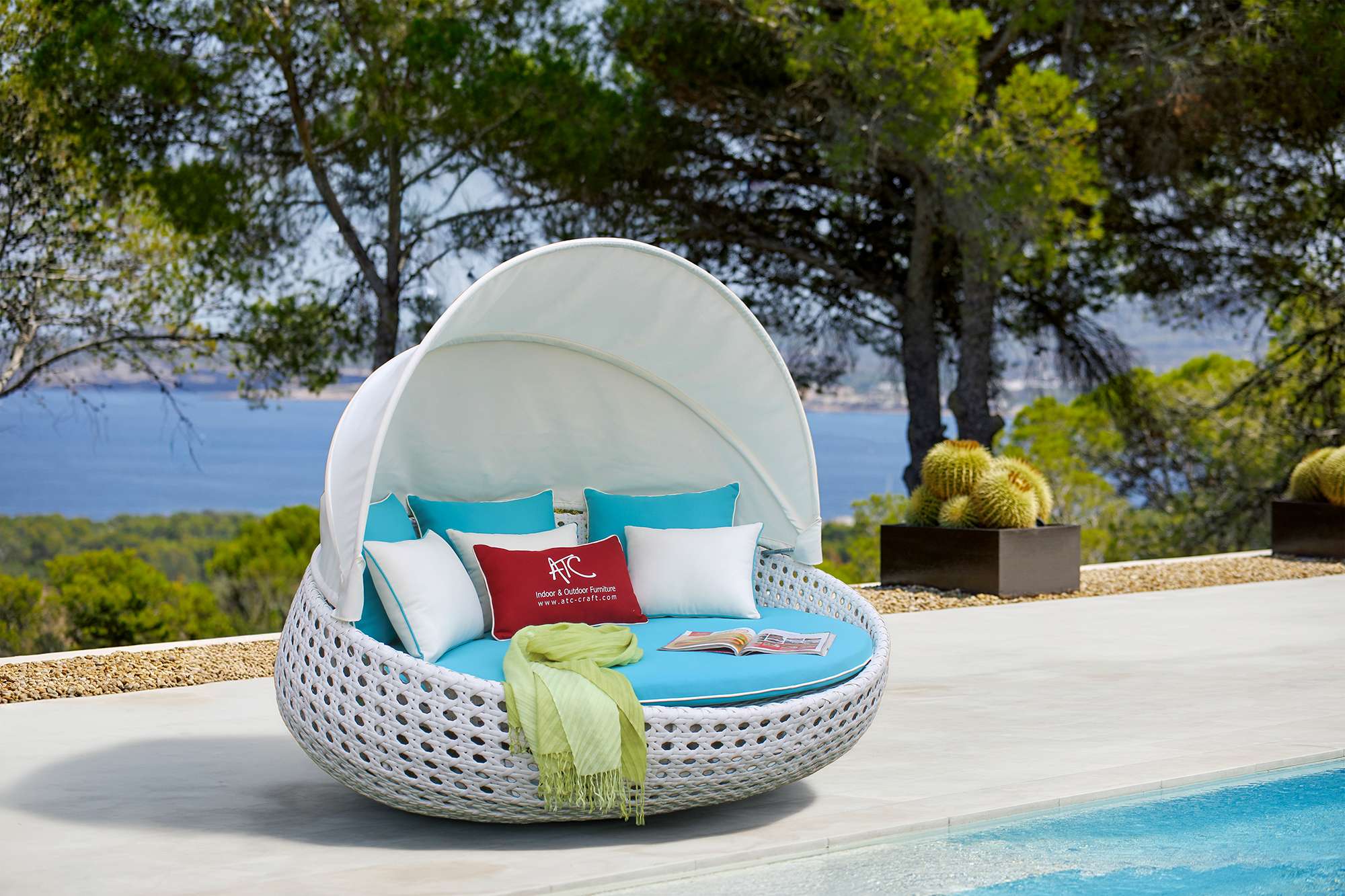
VICTORIA
Garden Wicker Luxury Circular Sun Lounger With Canopy
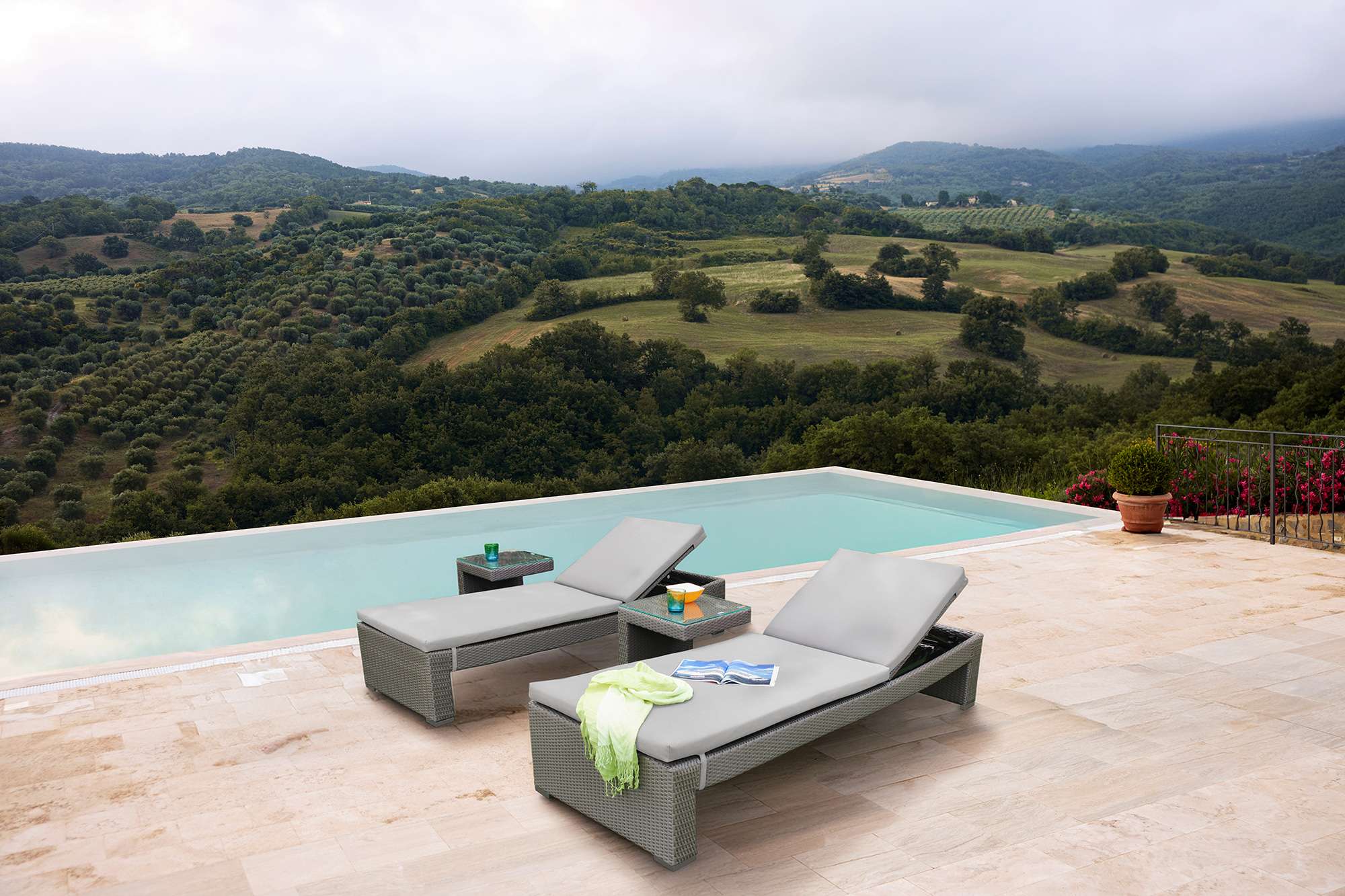
DEVON
Patio Rattan Single Sun Lounger With Side Table
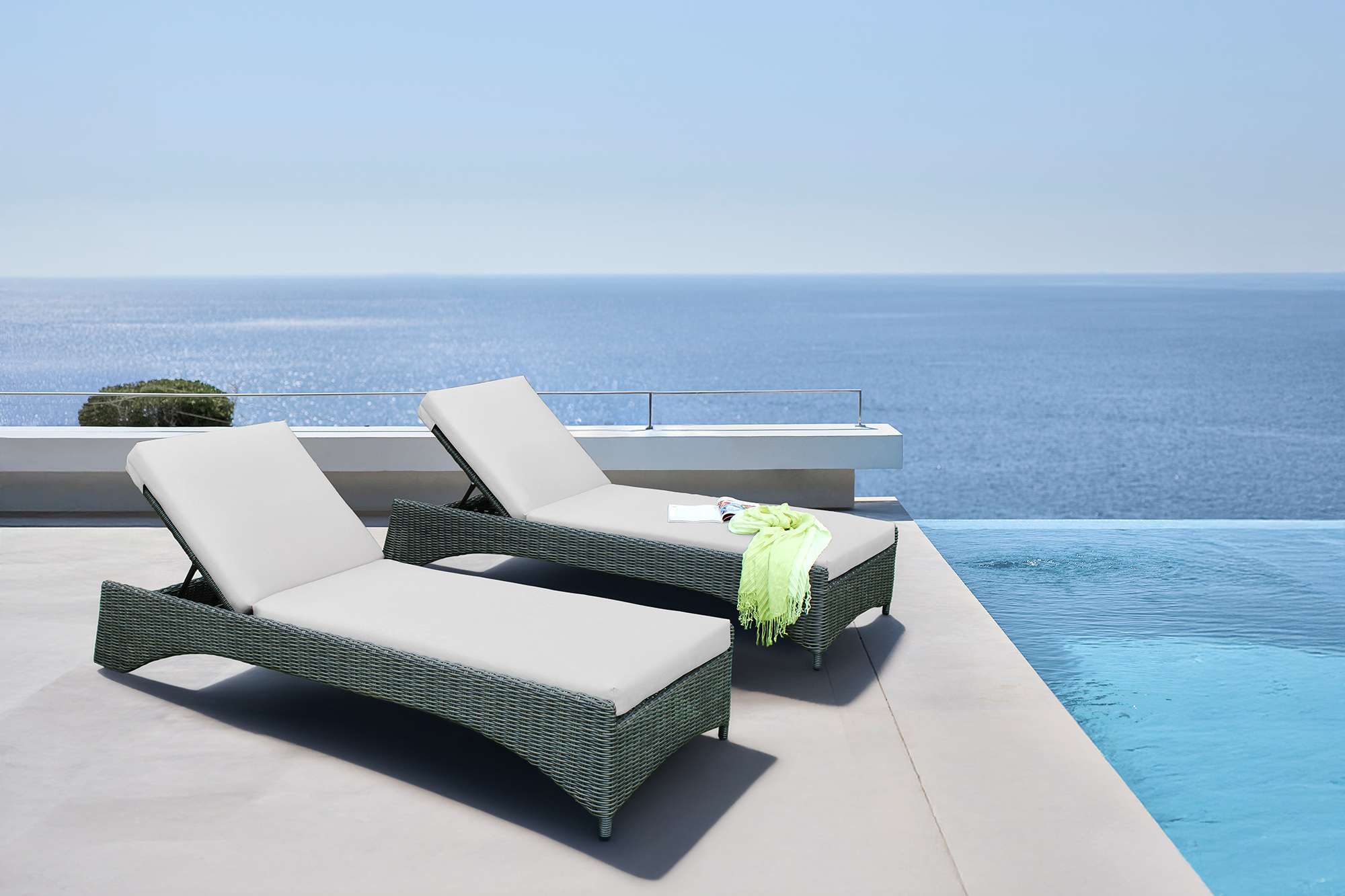
NORA
Garden Poly Rattan Sun Lounger With Adjustable Backrest
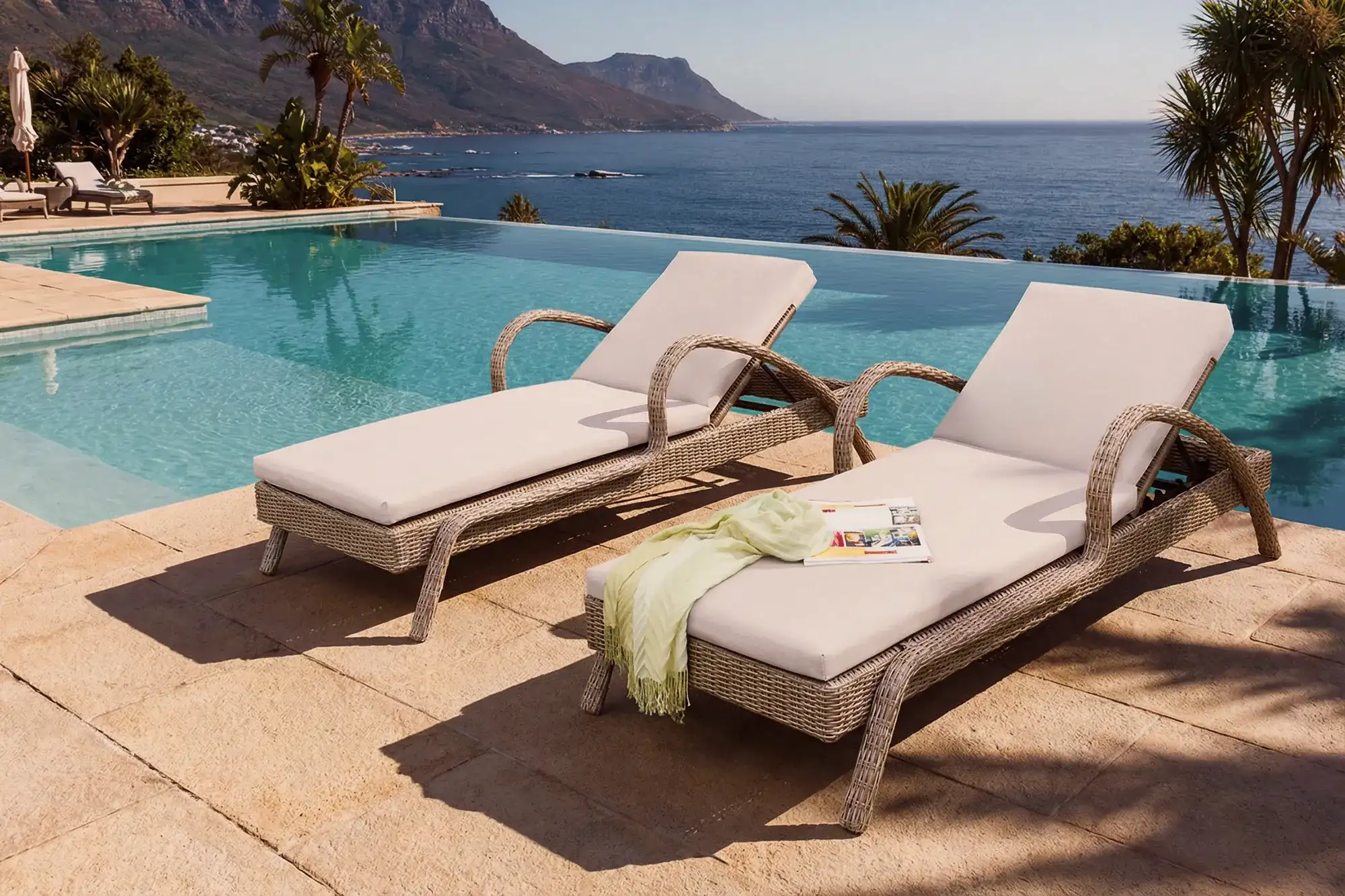
CEBU
Outdoor Curved Arm Pool Bed With Adjustable Backrest
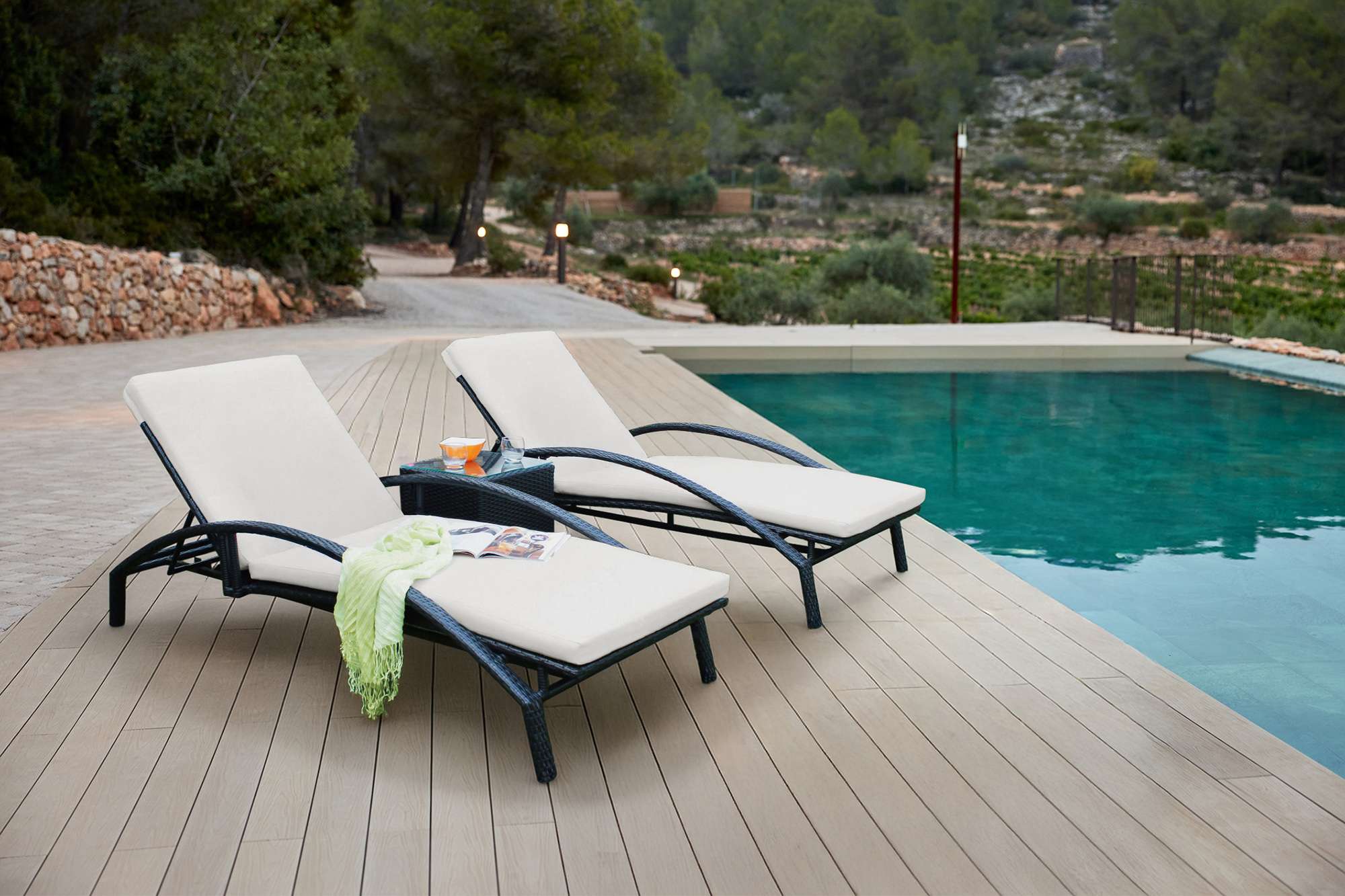
KERI
Patio Aluminum Pool Lounger Chair With Arm
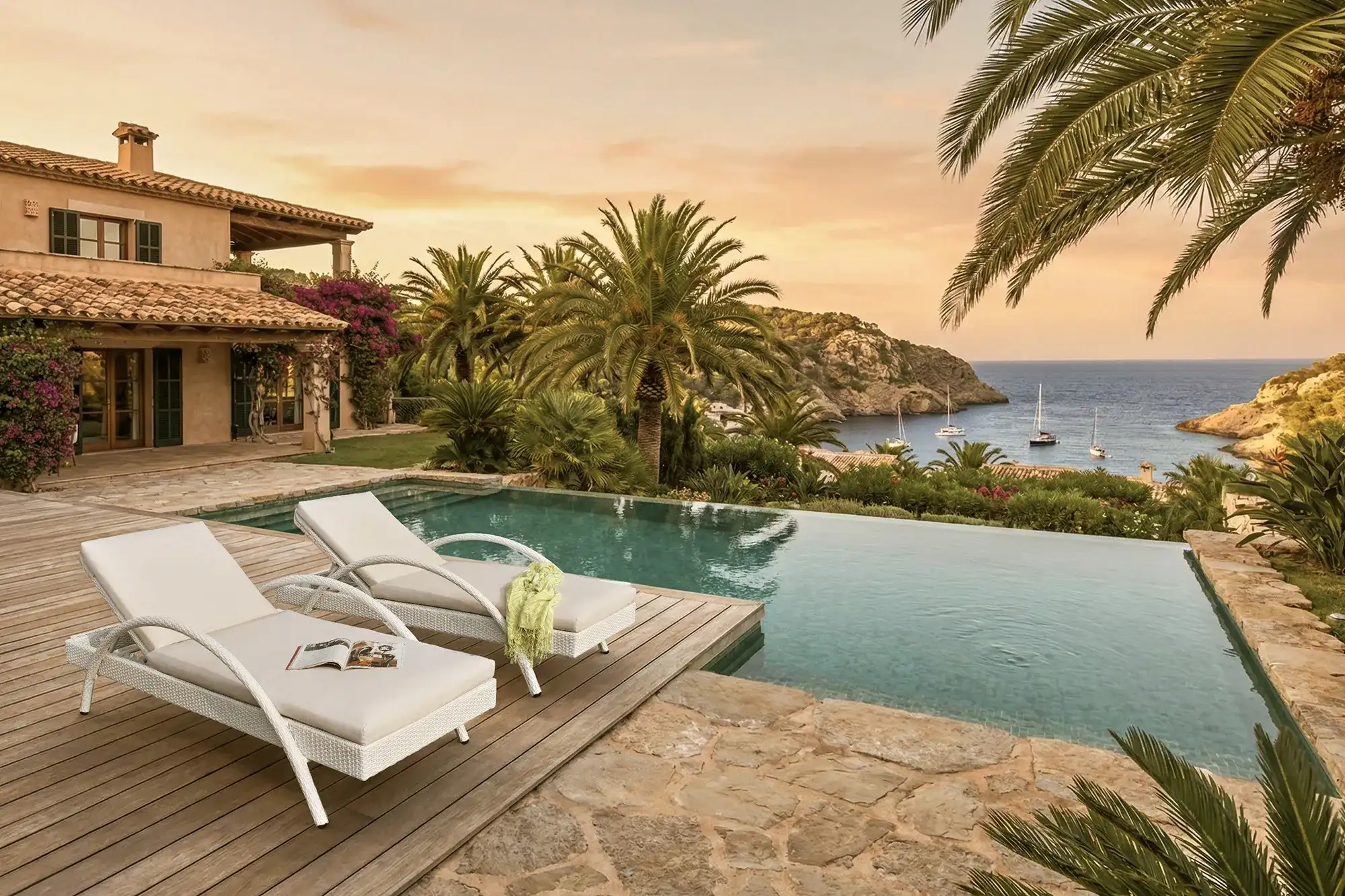
EDEN
Aluminum Wicker Pool Lounge Chair With Curved Arms
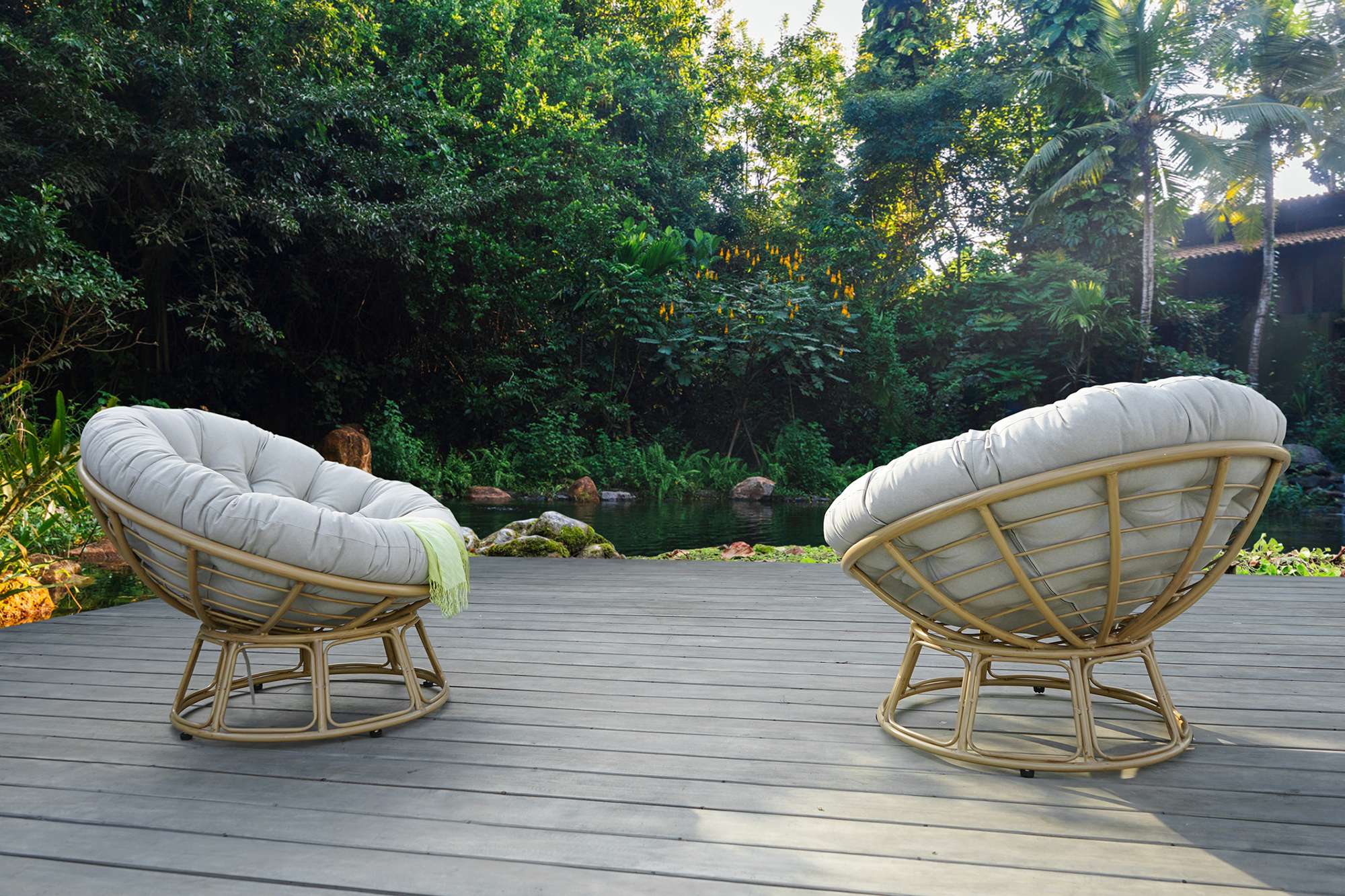
PAPASAN
Patio Aluminum Lounger Chair With Experience Comfort
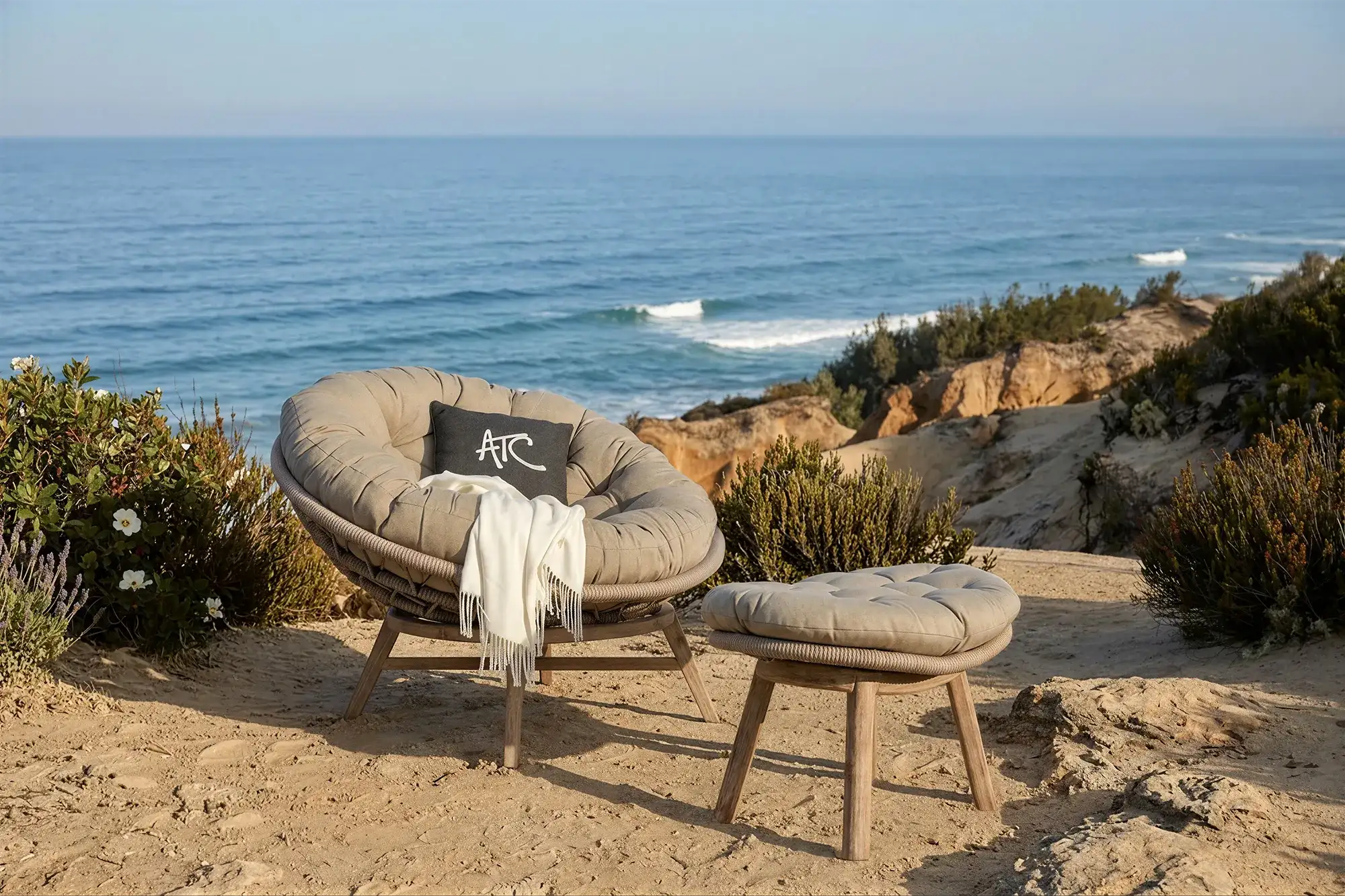
MOON CHAIR
Outdoor Lounge Chair
1. Common Types of Outdoor Sunbeds
Understanding different sunbed types helps users quickly identify which design best suits their space, usage habits, and aesthetic preferences.
1.1 Single Sunbed
A single sunbed is compact, lightweight, and easy to reposition. It is ideal for smaller spaces such as balconies, private gardens, or limited poolside areas. Its flexibility allows users to adjust layouts frequently while maintaining a clean and uncluttered appearance. Single sunbeds are often chosen for personal use, offering a dedicated space for reading, resting, or sunbathing.
1.2 Double Sunbed
Double sunbeds provide a wider lounging surface and create a strong visual statement in larger spaces. They are particularly popular in family-friendly environments, villas, and resort settings where shared relaxation is encouraged. By occupying more space, a double sunbed naturally becomes a centerpiece, especially when placed near pools or open garden views.
1.3 Adjustable Sun Lounger
Sun loungers with adjustable backrests focus heavily on ergonomic comfort. The ability to change reclining angles allows users to switch seamlessly between reading, sunbathing, and resting. This adaptability enhances long-term comfort and makes adjustable loungers suitable for users who spend extended time outdoors throughout the day.
1.4 Outdoor Daybed with Canopy
Outdoor daybeds with integrated canopies are designed for prolonged relaxation and increased privacy. The canopy provides shade and visual separation, making these sunbeds especially suitable for resorts and high-end residential spaces. They deliver a resort-inspired atmosphere and allow users to enjoy outdoor environments without constant exposure to direct sunlight.
2. Outdoor Sunbed Suitable Usage Scenarios
Outdoor sunbeds are highly versatile and can be integrated into various open-air environments. Their adaptability allows them to serve both private residential spaces and large-scale hospitality projects, helping users visualize how the product functions in real-life settings rather than as a standalone item.
2.1 Outdoor Sunbed for Poolside Areas
Poolside environments demand furniture that can withstand constant exposure to water, humidity, and direct sunlight. Outdoor sunbeds designed for these areas typically prioritize moisture resistance, quick-drying cushions, and surfaces that are easy to clean. A well-chosen sunbed enhances the poolside experience by offering a comfortable place to relax between swims while maintaining clear walkways and safe circulation around the pool. Proper spacing and layout ensure that the sunbed complements the pool rather than obstructing movement or visual flow.
2.2 Outdoor Sunbed for Gardens and Rooftops
In gardens and rooftop spaces, outdoor sunbeds act as focal points for relaxation and personal retreat. These environments require furniture capable of handling wind, sun exposure, and temperature fluctuations. When placed in a garden, a sunbed blends naturally with greenery and landscaping, creating a calm lounge atmosphere. On rooftops, it contributes to a refined leisure zone that balances openness with comfort. Accessories such as shade umbrellas, side tables, and outdoor rugs further enhance the experience and extend usability throughout the day.
2.3 Outdoor Sunbed for Resorts, Hotels, and Lounge Areas
In hospitality projects, outdoor sunbeds are more than just seating; they are part of the guest experience. Resorts and hotels often require sunbeds that are visually consistent with the overall design concept while remaining durable and easy to maintain. High turnover usage, frequent cleaning, and constant outdoor exposure make material quality and structural stability essential. A well-designed sunbed supports operational efficiency while reinforcing a premium, resort-like atmosphere that guests associate with comfort and exclusivity.
3. Durable and Climate-Suitable Materials for Outdoor Sunbeds
Material selection is a critical factor influencing the longevity, comfort, and appearance of outdoor sunbeds. Choosing the right materials ensures that the product performs well under varying weather conditions while maintaining its aesthetic appeal.
3.1 Powder-Coated Aluminum Frame
Powder-coated aluminum frames are widely used due to their resistance to rust and corrosion. Aluminum is lightweight yet structurally stable, making it suitable for humid climates and coastal environments. The powder coating adds an extra protective layer, helping the frame maintain its finish and color over time with minimal maintenance.
3.2 Teak Wood
Teak wood is valued for its natural durability and timeless appearance. Its dense structure and natural oils allow it to withstand outdoor conditions effectively, even in areas with strong sunlight or moisture. Teak brings warmth and sophistication to outdoor spaces, making it a preferred choice for premium settings where aesthetics and longevity are equally important.
3.3 Synthetic Wicker or Outdoor Rope
Synthetic wicker and outdoor rope materials are engineered specifically for exterior use. They are UV resistant, breathable, and capable of retaining their shape despite prolonged exposure to heat and sunlight. These materials offer flexibility in design while providing comfort and resilience, making them suitable for modern outdoor environments.
4. Key Criteria for Choosing the Right Outdoor Sunbed
At the decision-making stage, understanding essential selection criteria helps users invest in a sunbed that meets both functional and aesthetic needs.
4.1 Size and Proportion Relative to Space
Proper sizing ensures that the sunbed integrates smoothly into its surroundings. Measuring available space and considering circulation paths helps prevent overcrowding and maintains visual balance. A well-proportioned sunbed enhances comfort without dominating the area.
4.2 Reclining Angle and User Comfort
The reclining mechanism directly affects user experience. Adjustable backrests, appropriate seat height, and supportive armrests contribute to overall comfort, especially during extended use. These features allow the sunbed to adapt to different relaxation preferences.
4.3 Weather Resistance and Color Durability
Outdoor sunbeds must withstand UV exposure, humidity, and temperature changes. Materials and finishes that resist fading, mold, and corrosion ensure that the sunbed remains visually appealing and structurally sound over time.
4.4 Ease of Cleaning and Routine Maintenance
Sunbeds designed for easy cleaning and maintenance save time and effort in the long run. Simple care routines, such as regular surface cleaning and periodic inspection, help extend the product’s lifespan and preserve its original condition.
5. Common Mistakes When Choosing an Outdoor Sunbed
5.1 Choosing Incorrect Size That Overcrowds the Space
Selecting a sunbed without considering spatial limitations can disrupt layout and reduce comfort. Overly large sunbeds may obstruct movement and compromise the overall harmony of the space.
5.2 Prioritizing Low Price Over Climate-Suitable Materials
Focusing solely on cost often leads to compromised material quality. Inadequate materials may fade, rust, or loosen over time, resulting in higher maintenance costs or early replacement.
5.3 Overlooking Quick-Dry Cushion Features
Ignoring cushion performance can lead to discomfort and hygiene issues. Cushions that retain moisture are prone to odors and mold, making quick-drying fabrics an essential consideration for outdoor use.