Things to Know When Buying Furniture for Retailers to Boost Sales
The right furniture for retailers makes for greater customer experience, product performance, and sales. By making savvy decisions on materials, sourcing, and store layout, retailers can create a welcoming environment that encourages consumers to buy more.
1. Explore several options for retail Furniture sourcing
1.1. Identify Your Ideal Supplier Type
Your sourcing strategy defines your product quality, cost structure, and reliability.
- Local manufacturers: Faster production and easier quality inspection, ideal for express restocking.
- Offshore factories: Wider range and less expensive, but with longer shipping delays.
- Dropshipping: Suitable for independent small retailers who don't need to carry stock.
- Trade shows: The best place to see modern wholesale catalogs for retail furniture businesses and discover trends while building supplier relationships.
Matching your supplier type to your business model ensures smooth implementation and profitability.
From faster restocks to global options, choosing the right supplier shapes retail furniture success
1.2. Wholesale Furniture Suppliers for Retail Stores
Working with trusted wholesale suppliers is important to ensure stable inventory and quality consistency. In looking for suppliers, consider their product line, bulk prices, and shipping conditions. For example, ATC Furniture provides wholesale solutions for both indoor and outdoor products, with a strong focus on quality control and export readiness. This kind of supplier can help retailers streamline sourcing without compromising product quality.
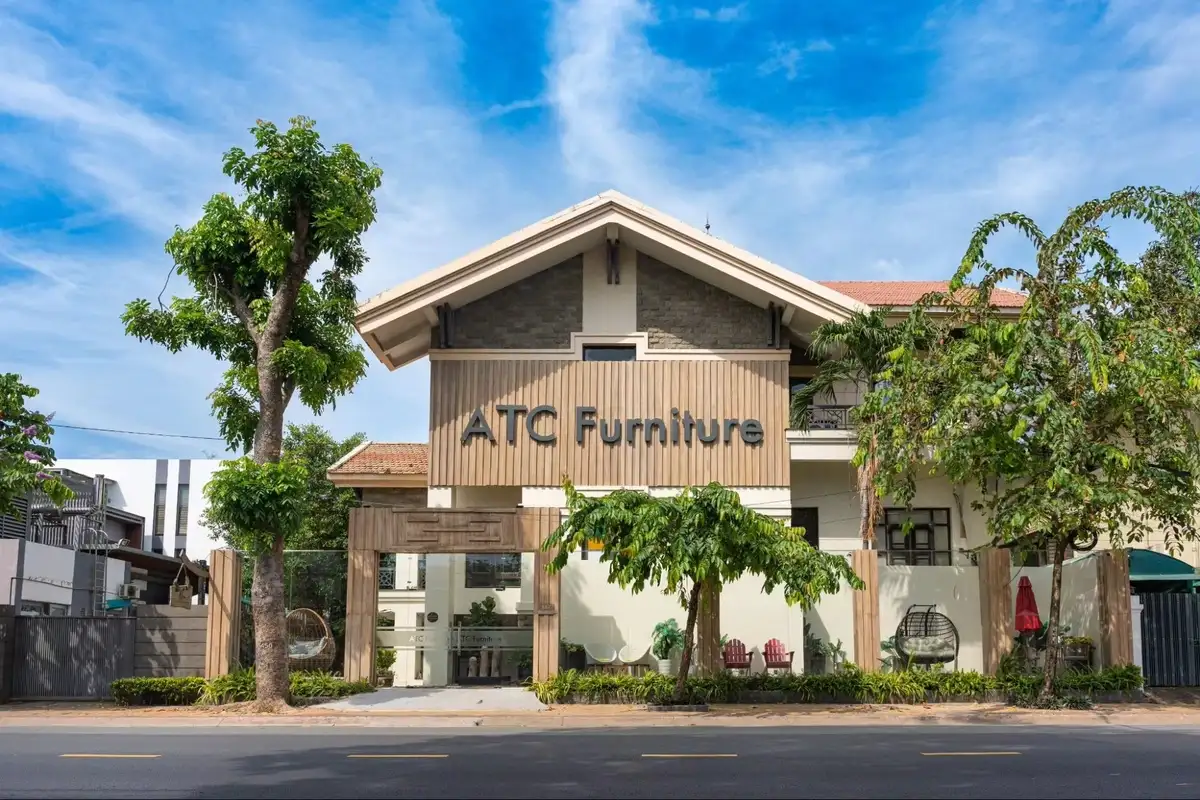
As a wholesale supplier, ATC Furniture delivers indoor and outdoor products tailored for global retail needs
2. Ways to Choosing the Right Materials for Retail Furniture
The choices of products you make affect product longevity, customer satisfaction, and company image.
2.1. Choose wood for warmth and premium appeal
Wood gives a warm, high-end look that appeals to high-end shoppers. Its natural texture and timeless appeal are ideal for in-store presentation like shelving or countertops, offering a sophisticated atmosphere that encourages discovery. Acacia or teak varieties of wood are long-lasting, capable of supporting heavy use in high-traffic stores, which is essential for retailers requiring the ability to display a sleek presence and prevent the cost of replacement. Wood is pliable, allowing adapting to brand aesthetics, enhancing customer loyalty and confidence.
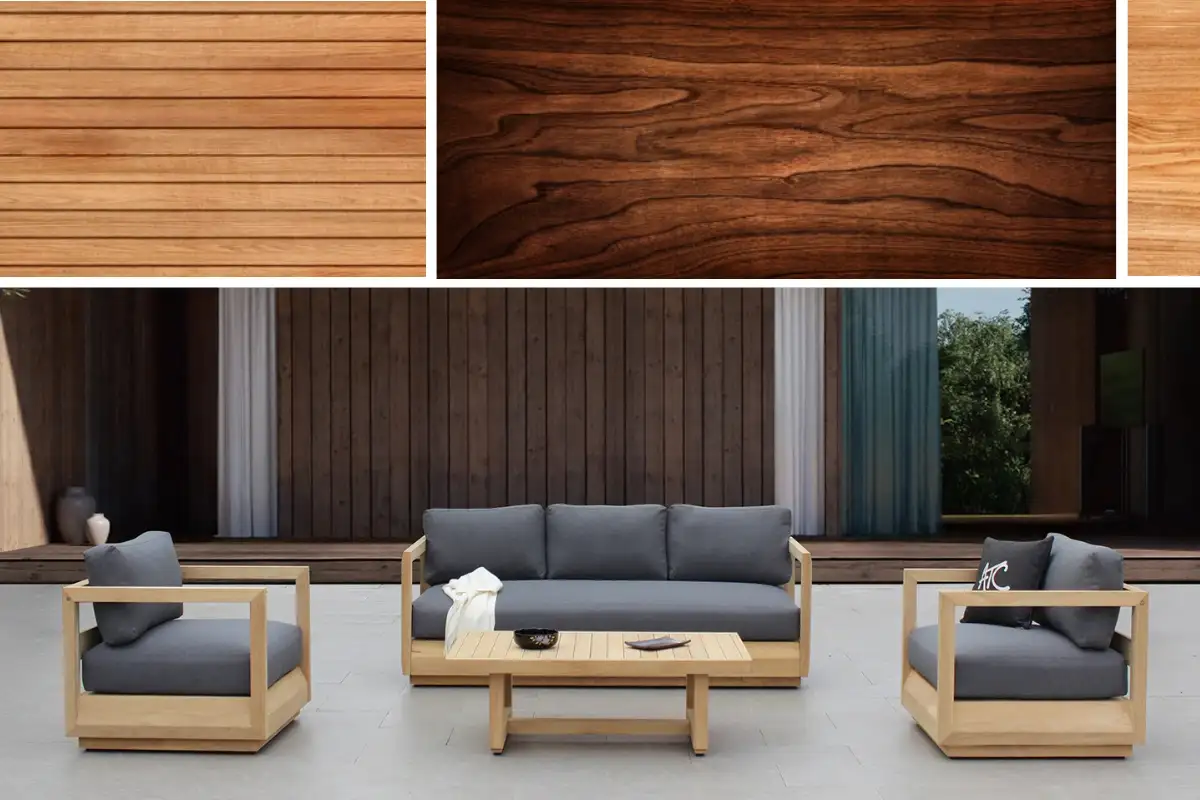
Wood’s timeless grain brings warmth and luxury, making it ideal for premium retail displays and seating
2.2. Choose HDPE rattan wicker if you want table and chair long-lasting
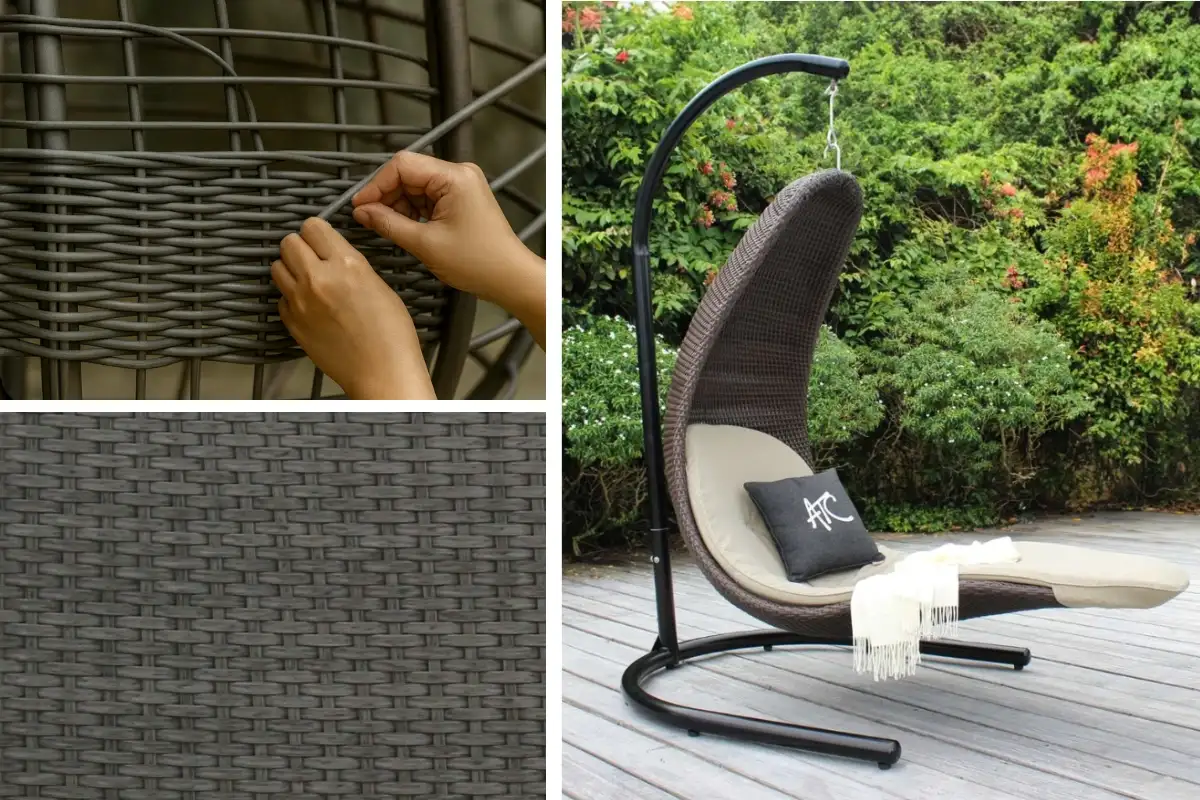
HDPE rattan is created to withstand heavy use, as well as exposure to environmental factors. Its resistance to moisture and UV makes it ideal for outdoor seating areas or semi-open retail settings. Retailers benefit from its lightweight nature, which simplifies setup and cleaning, while its durability lowers long-term replacement costs. This product is appropriate for stores with garden departments or patio displays.
HDPE rattan offers strength and weather resistance, perfect for outdoor seating and patio displays
2.3. Pick hyacinth wicker for people love unique appearance
Hyacinth wicker offers a sustainable furniture option for eco-conscious retailers. Constructed from natural renewable fibers, it provides a distinctive, handcrafted appearance that is attractive to green-aware consumers. Light in weight but exceptionally strong, hyacinth wicker brings an artisanal feel to lifestyle presentations with a distinctive shopping experience that supports green brand messaging.
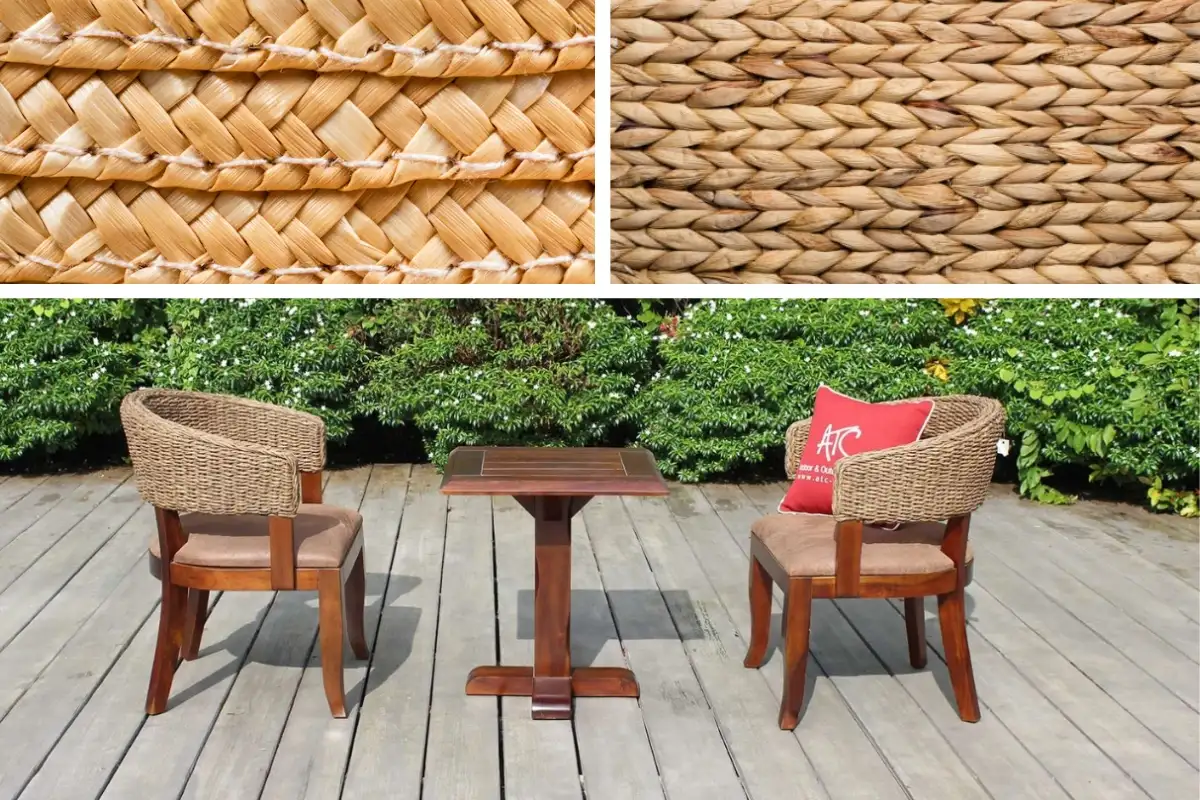
Hyacinth wicker blends artisanal charm with sustainability, perfect for eco-conscious retail furniture
3. Top Categories to Choose Outdoor Furniture for Retailers
Outdoor furniture extends the boundaries of retail space, creating welcoming areas that generate traffic.
3.1. Waiting area sofas and armchairs
Waiting area sofas and armchairs define the mood of the shopping experience. They reflect attention to detail and care, which makes customers feel valued the instant they enter the store. Seating that is comfortable maximizes browsing time and purchasing potential by making consumers stay longer.
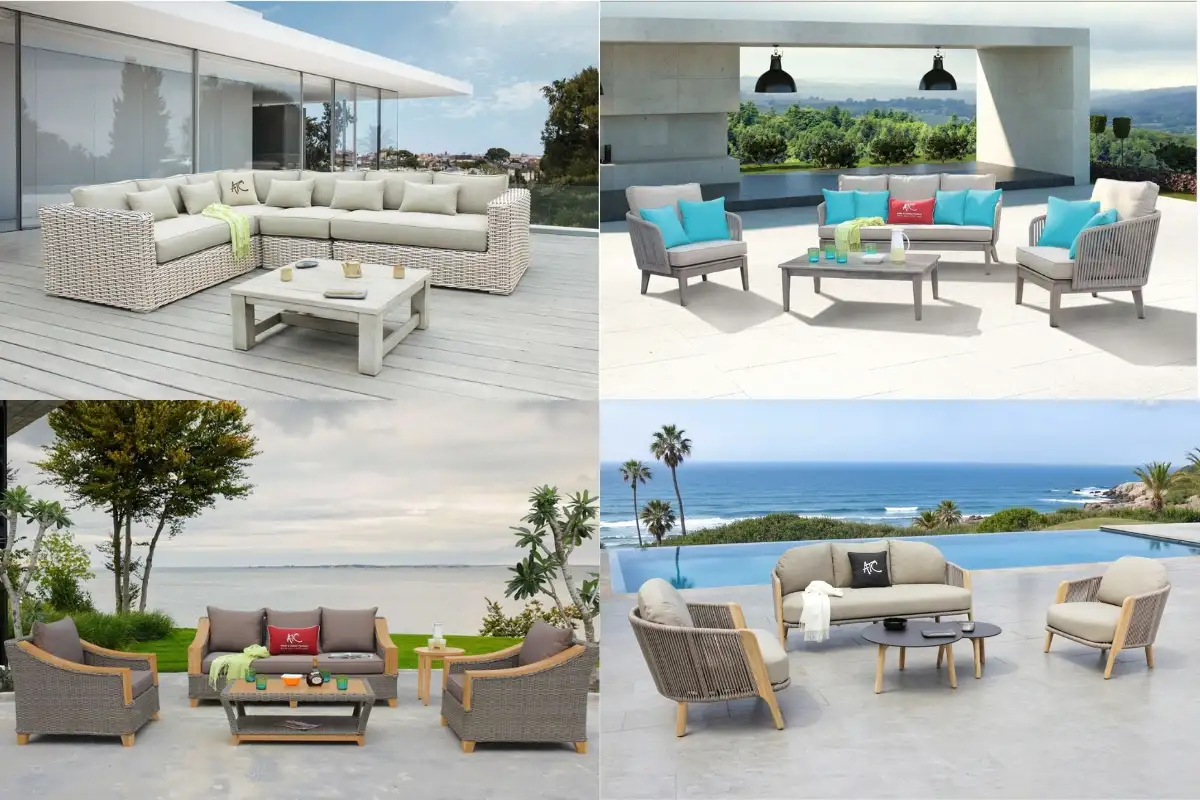
Waiting area sofas and armchairs create a welcoming first impression that keeps customers engaged longer
3.2. Benches and stools for fitting rooms
Furniture in the fitting rooms influences comfort and effectiveness. Sturdy stools and benches make trying on clothing easy and enjoyable and help keep the area clean. This makes customers navigate through the store freely and allows for a good shopping experience, reducing frustration and cart abandonment.
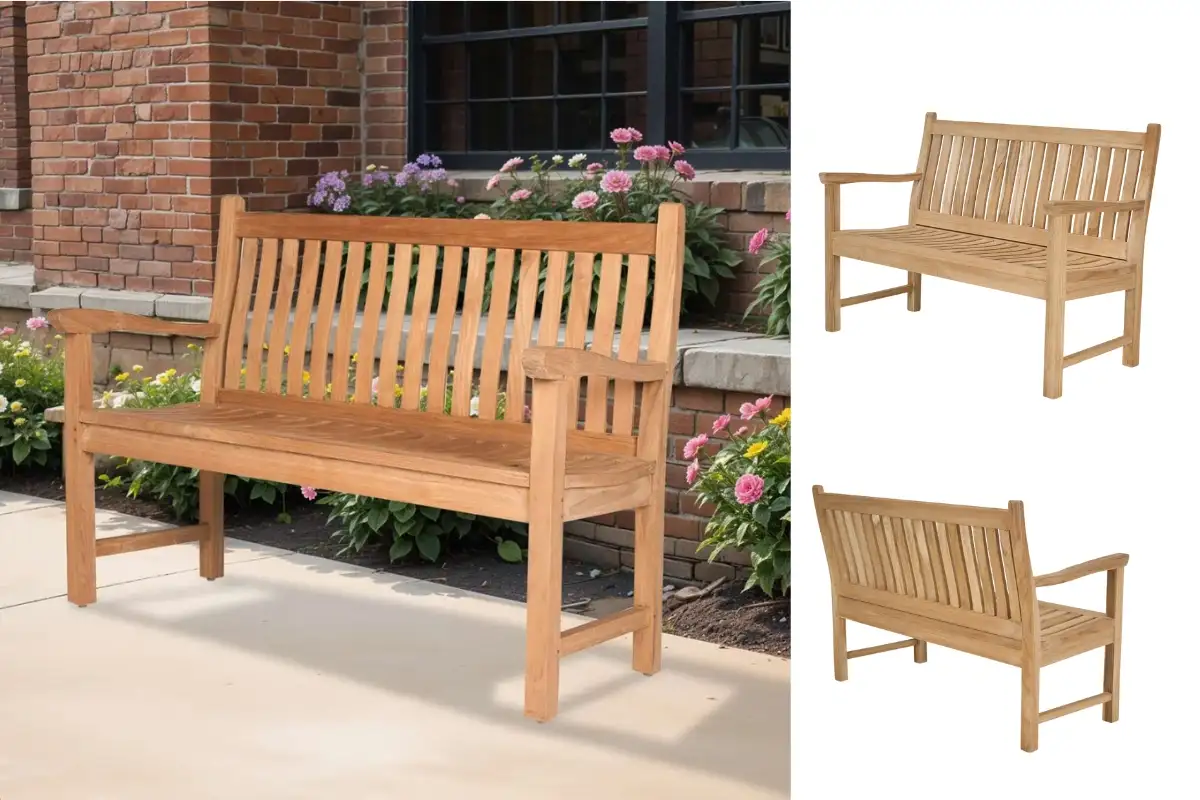
Benches and stools in fitting rooms improve comfort, helping customers enjoy a smoother shopping flow
3.3. Coffee tables and side tables for premium spaces
Coffee and side tables add functionality and elegance to VIP areas or featured product sections. These pieces enhance the overall store image, create a premium environment, and encourage customers to engage more with the brand. By integrating stylish tables into layouts, retailers can elevate their display techniques and subtly increase upselling opportunities.
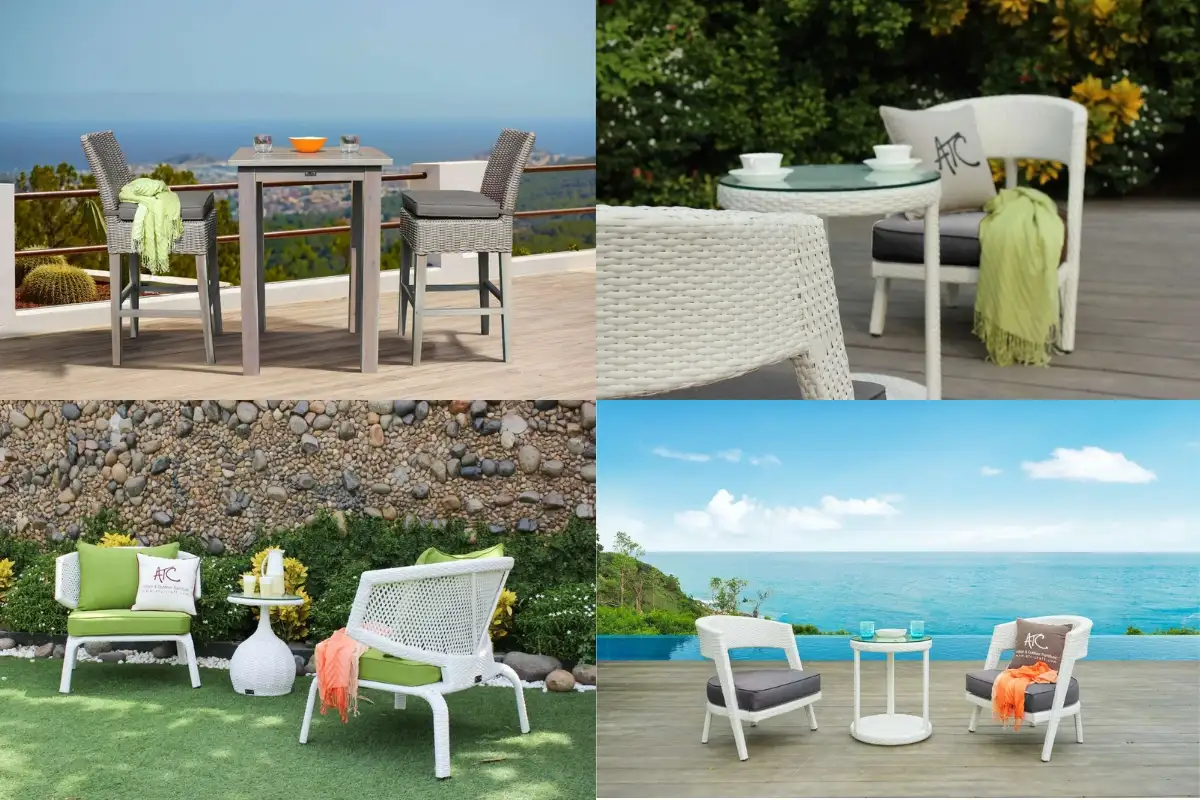
Stylish coffee and side tables elevate premium spaces, adding both function and brand sophistication
4. Specialty Furniture for Retail Categories
4.1. Jewelry display cases and lighting setups
Jewelry display cases with integrated lighting highlight high-value items like rings or necklaces, making them more enticing. These are vital for retailers because they draw customer attention to premium products, encouraging impulse purchases by showcasing items in a secure, visually appealing way.
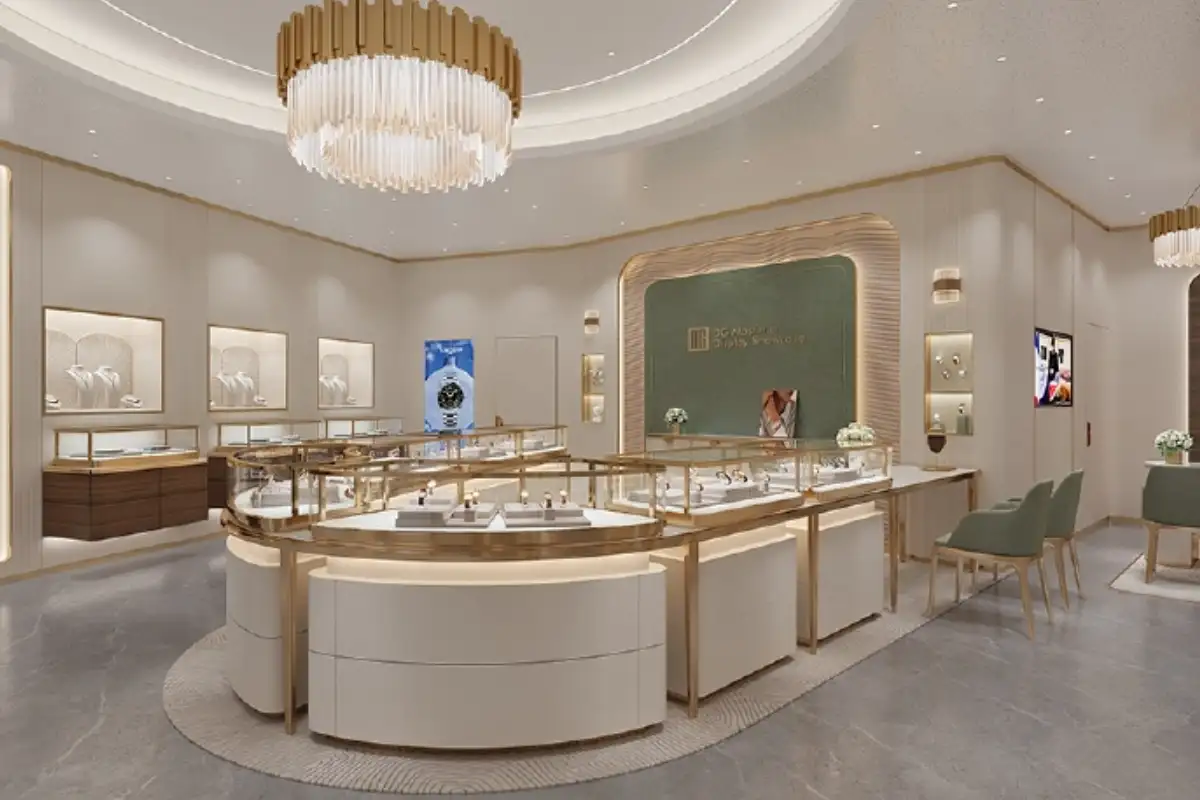
Integrated lighting in jewelry cases draws attention to premium pieces, boosting customer engagement (source: internet)
4.2. Apparel fixtures like hanging rails and nesting tables
For clothing shops, fixed fixtures are required. Dress rails organize and make the clothes easy to shop from, while nesting tables provide for changing merchandise configuration as well as season merchandising. These fixtures improve store navigation and ease the consumers' search, resulting in greater probabilities of return visit.
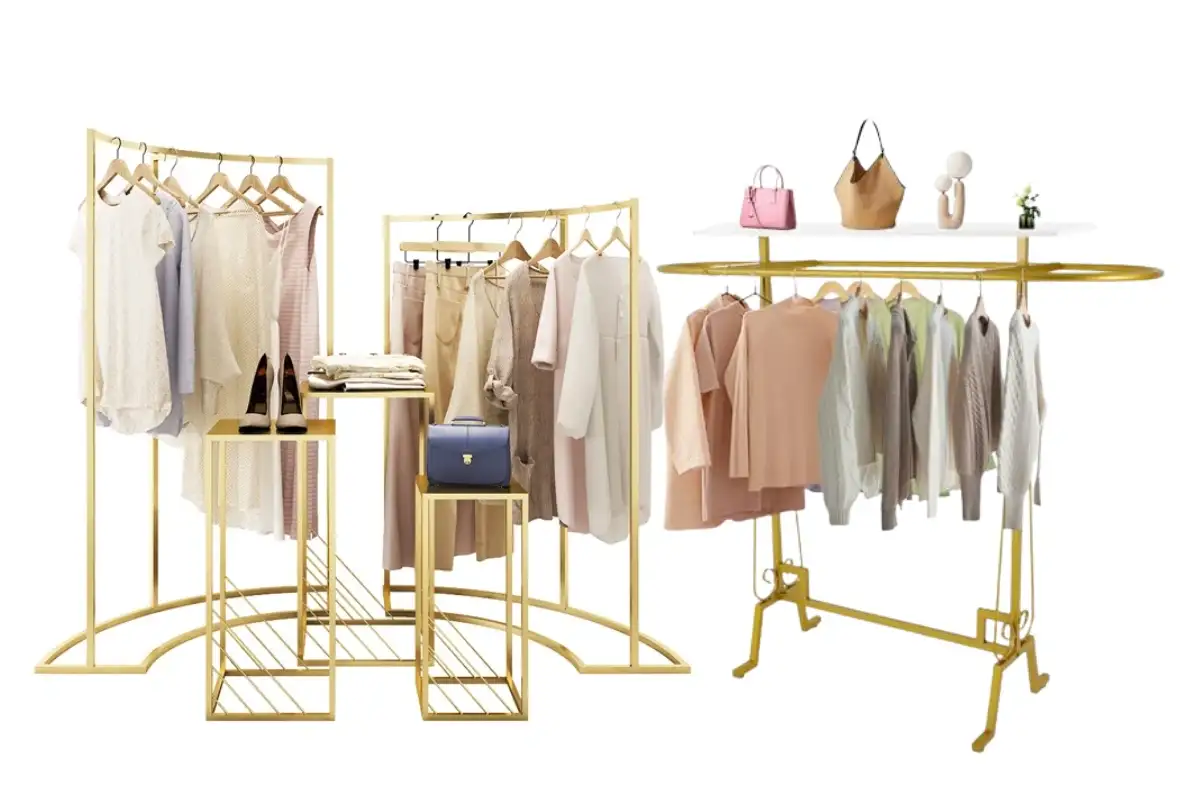
Hanging rails and nesting tables keep apparel displays neat, improving store navigation and customer flow (source: internet)
4.3. Home decor and lifestyle product stands
Decor and lifestyle accessories are elevated by creative, eye-catching stands. These stands inspire shoppers by showing them how products can be incorporated into their home, generating impulse sales and higher overall revenues. Stylish stands also make better use of floor space, enabling retailers to showcase more products in a more efficient manner.
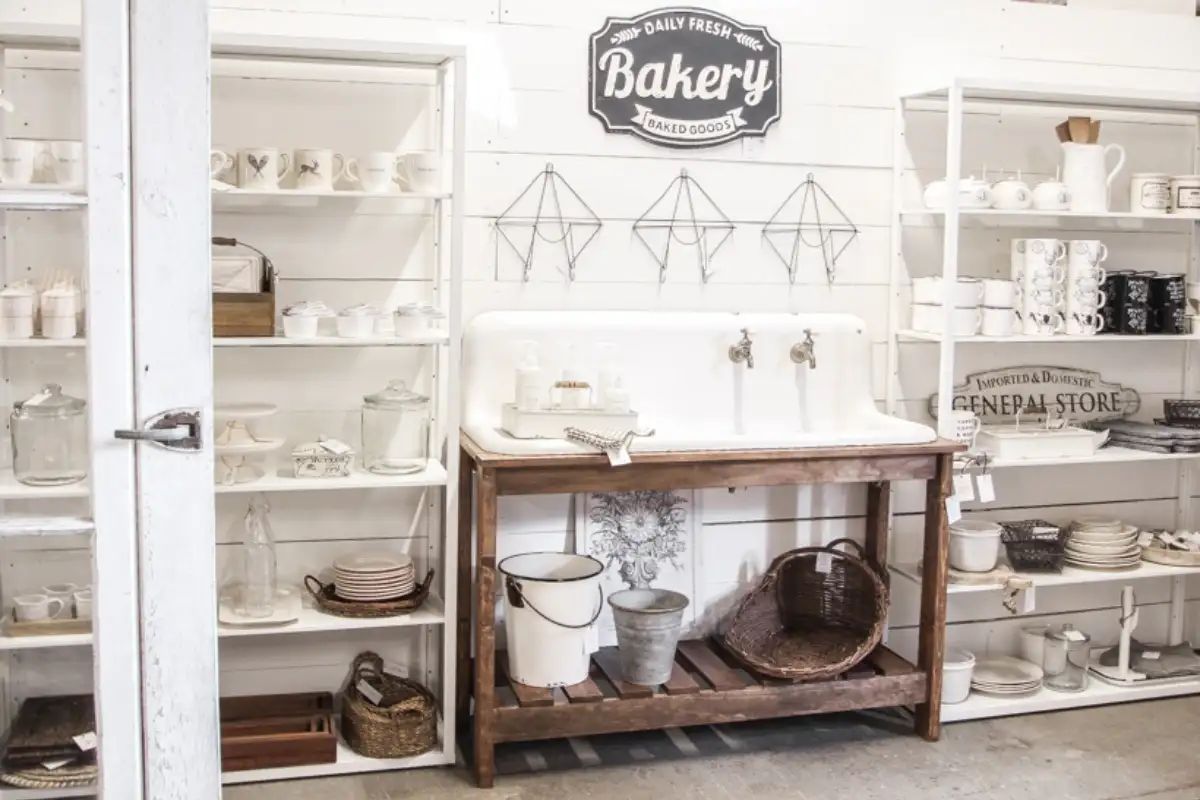
Creative product stands inspire shoppers by showing how lifestyle items fit seamlessly into their homes (source: internet)
5. Top Mistakes to Avoid When Buying Retail Furniture
5.1. Overcrowding the space with too many pieces
Overstuffing a shopping space with excessive pieces of furniture overwhelms the senses and makes way-finding difficult for consumers. This can overwhelm shoppers, causing frustration and shorter browsing times. Retailers should carefully plan their floor layout, prioritizing open pathways and clear product visibility. Before buying in bulk, compare wholesale furniture prices for retailers and select only the essential pieces to maintain a balanced and inviting atmosphere.
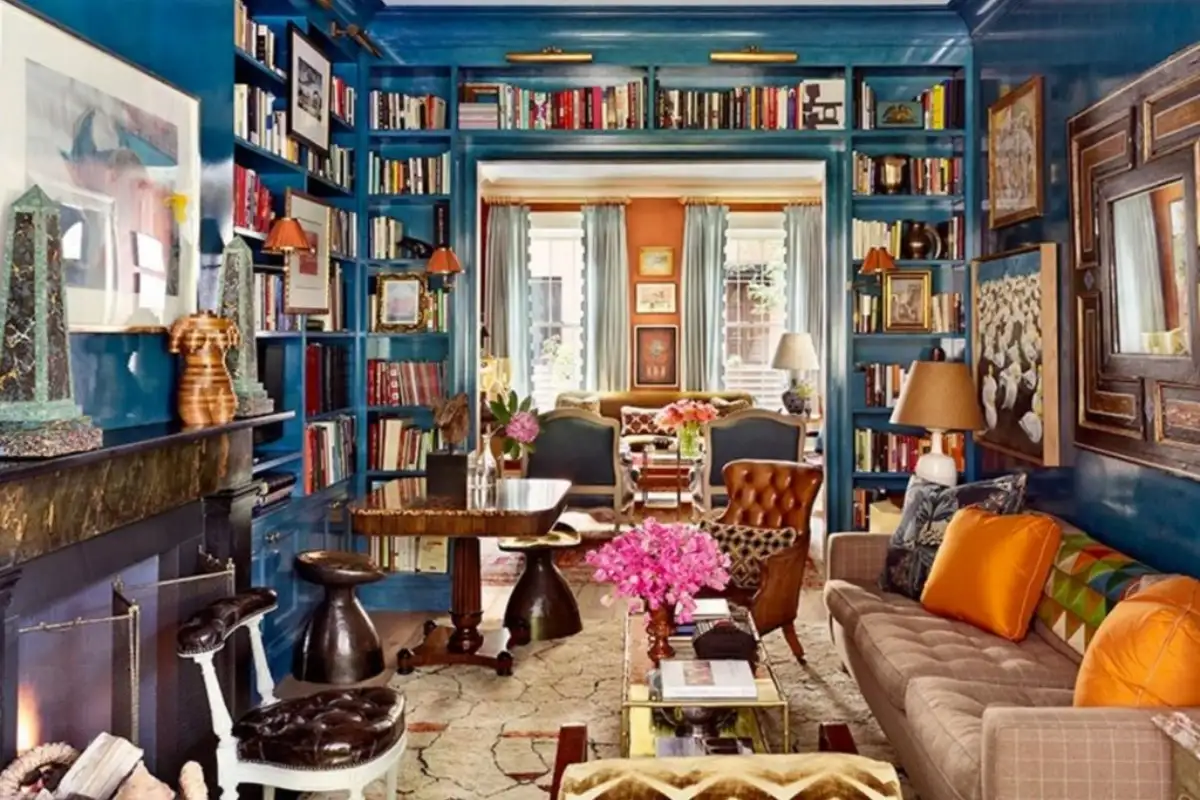
Too many furniture pieces can create clutter, making navigation difficult and shortening browsing time (source: internet)
5.2. Ignoring ergonomics and customer comfort
Furniture isn’t just about style — it needs to support both comfort and functionality. Poorly designed seating, display units, or counters can negatively affect the customer experience and slow down staff efficiency. For example, uncomfortable waiting chairs may discourage shoppers from staying longer, while awkwardly placed shelving can make it hard for employees to restock. Retailers should prioritize ergonomically designed furniture that enhances usability and creates a pleasant shopping environment.
5.3. Furniture Delivery and Logistics for Retail Businesses
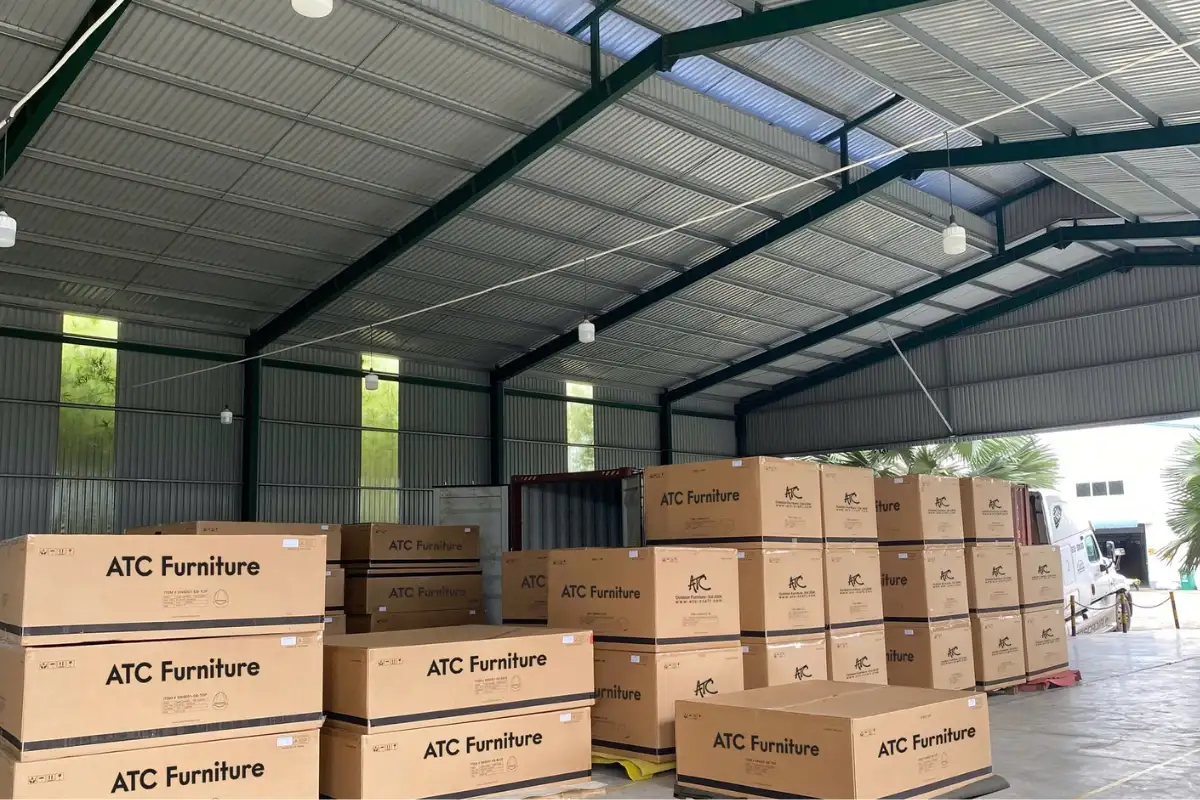
Even the best furniture loses its value if it reaches the customer late or in damaged condition. Efficient logistics ensure timely delivery and protect goods in transit. Partnering with suppliers like ATC Furniture, who provide strong packaging and dependable shipping services, helps minimize risks and unexpected costs. A well-planned logistics strategy also includes accurate inventory management and proper storage preparation, ensuring that products are ready for display the moment they reach the store.
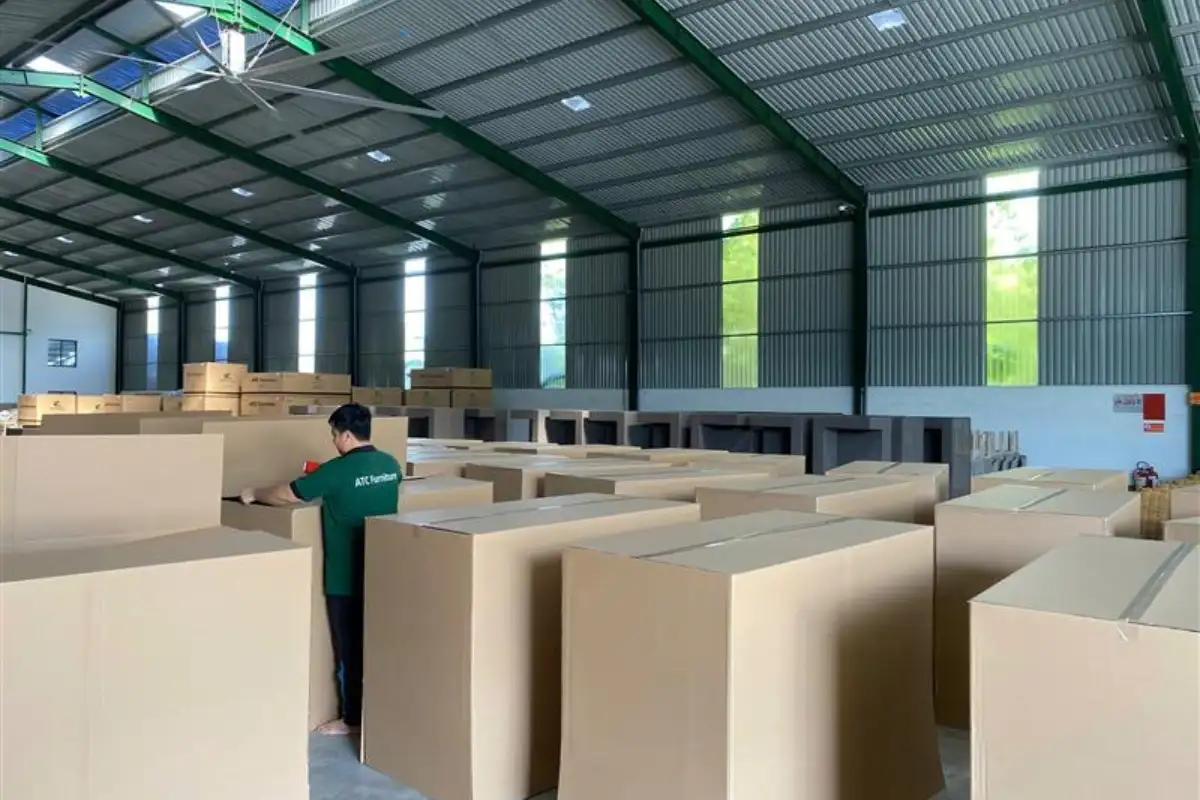
Strong packaging and efficient logistics ensure ATC Furniture products arrive safely and on time